Five Bluffton people exposed to rabid racoon in past weeks, DHEC confirms.
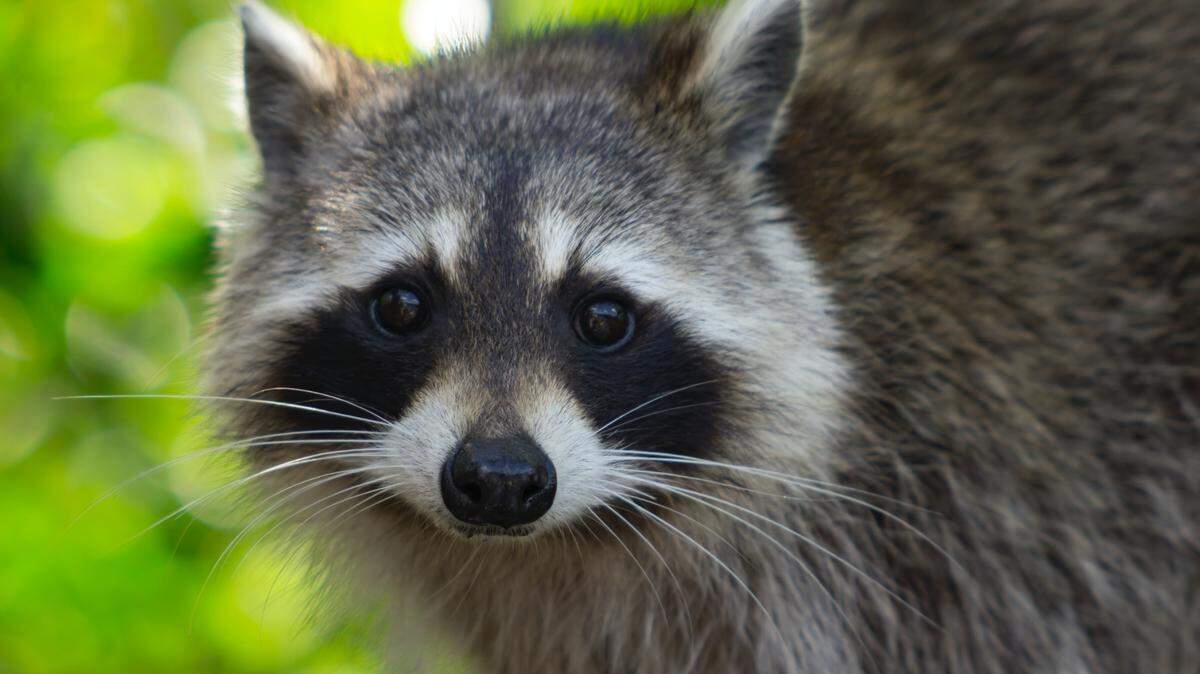
The South Carolina Department of Health and Environmental Control (DHEC) has confirmed five Bluffton people were exposed to a rabid raccoon since September 13.
The raccoon was found near Old Mill Crossing and Stepping Stone Way. The area is southeast of SC 46 near the intersection of Heritage Parkway. Samples were submitted to the DHEC for testing on September 15. DHEC confirmed it was rabid the following day. The raccoon is dead.
The five people exposed “have been referred to their health care providers,” DHEC said in a press release.
This is Beaufort County’s first positive case of 2023 and SC’s 63rd case. Beaufort County had no cases last year, according to the release.
How rabies is spread and what to do
Rabies will spread to other animals and humans through bites and scratches and when a rabid animal’s saliva makes contact with open cuts, eyes, noses or mouths.
“Keeping your pets up to date on their rabies vaccination is the easiest way to protect you and your family from this deadly virus,” Terri McCollister, DHEC’s Rabies Program director said in the release. “Any mammal has the ability to carry and transmit the disease to people or pets. Therefore, give wild and stray animals plenty of space.”
From the Cleveland Clinic, “Rabies is an illness you get from an infection with the RABV virus. It causes symptoms like seizures, hallucinations and paralysis. Rabies (in humans) is preventable if you’re vaccinated quickly after exposure. Once symptoms start, rabies is fatal.” The Clinic also advises, “You usually have no symptoms of rabies for several weeks after it enters your body. When rabies makes it to your central nervous system (prodromal phase), you experience flu-like symptoms. In the final stages, you have neurological (brain) symptoms.”
Health experts all agree that if you think you have been exposed to rabies, seek treatment immediately.
What to know
In South Carolina, rabies is most often found in wildlife such as raccoons, skunks, foxes and bats, but pets are just as susceptible to the virus. If you see an animal in need, avoid touching it. Contact someone trained in handling animals, such as your local animal control officer, wildlife control officer or a wildlife rehabilitation specialist.
If you believe you, someone you know or your pets have come in contact with this raccoon or another animal that potentially has rabies, please call DHEC’s Public Health Beaufort office at (843) 525-7603 during normal business hours (8:30 a.m.-5 p.m., Monday-Friday) or after hours and on holidays at (888) 847-0902 (Select Option 2).
This story was originally published September 20, 2023 at 7:26 PM.