
When ‘you reap what you sow’ turns into golden, delicious fruit in Pritchardville yard
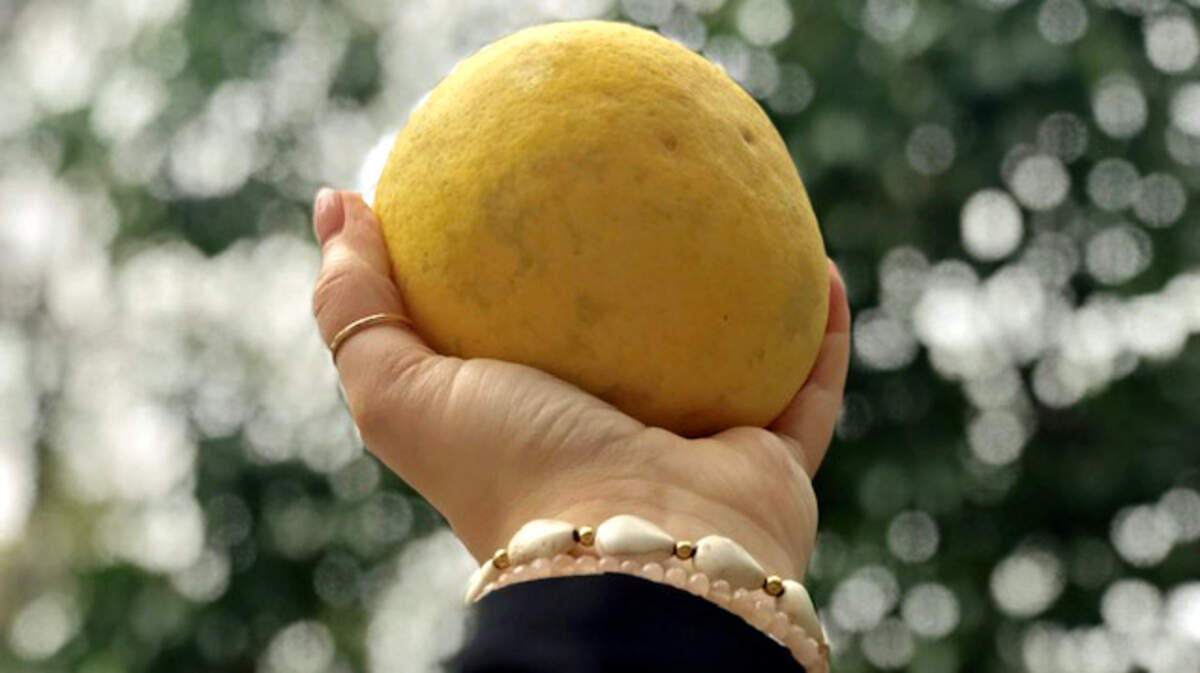
No, you don’t need to grab your USA Atlas Map to double-check as to what state you reside in when you read this article. It’s not Florida, California, Texas or Arizona, where most grapefruits are grown. You’re still in Bluffton, S.C., and this is where the grapefruit tree and its produce is located.
Florida is the largest producer of oranges and grapefruits, producing 66 percent of oranges and 62 percent of grapefruits in the United States. The United States is the world’s third largest producer of citrus fruit, after Brazil and China, but America is the world leader in growing one of these citrus fruits, the grapefruit.
Ruth Fleming on Stoney Creek Drive, near Pritchardville, hit the jackpot, you might say, by being of the age of folks who firmly believe in “waste not-want not.” Many years ago, living in the country, which means living in unincorporated Beaufort County, she started her own “simple compost method” of organic gardening.
Not wanting to be a person that’s one of the ones responsible for wasting food scraps, making up 25 billion pounds of trash a year, she decided to capture the energy this waste could make through simple composting and help go back into greening the planet.
On a section of her yard, within eyesight but off from her home, she built a double-sectioned bin, boarded up and separated with a few scrap lumber pieces for dumping vegetable and fruit scraps from her kitchen. Her scraps consisted of broccoli stalks trimmed of its florets; fruit peelings, such as apple, banana, orange and grapefruit; green tops from carrots and celery; potato and onion peelings; and coffee grounds. All of this that would have ended up in her kitchen garbage can, and eventually into the Beaufort County landfill, ended up instead in her compost bin along with a shovel full of dirt layered on top and “viola,” the fermenting process of organic compost began.
With occasional rain showers, warm temperatures, morning dews and a little “muscle” from Ruth stirring her pot, so to speak, to aerate, she had plenty of rich compost of organic matter to use as soil when repotting her plants or adding around shrubbery for a little “vitamin” boost.
Little did she know that years later she’d see the results of the well-known idiom: “You reap what you sow” with a 20-foot grapefruit tree loaded with luscious citrus fruit, that sprouted from a seed in her compost pile. The principle of “you reap what you sow” is also biblical: Galatians 6:7: “Do not be deceived, God is not mocked; for whatever a man sows, that he will also reap.”
Harvesting grapefruit generally takes place in the fall once the fruits have turned yellow or gold in color, and can even be gathered on into the winter with the fruit getting sweeter as it hangs on the tree. So now Ruth gets to enjoy the fruits from a grapefruit tree that came “by its own accord.” Naturally!