
In the Lowcountry, moles are the masters of underground tunneling
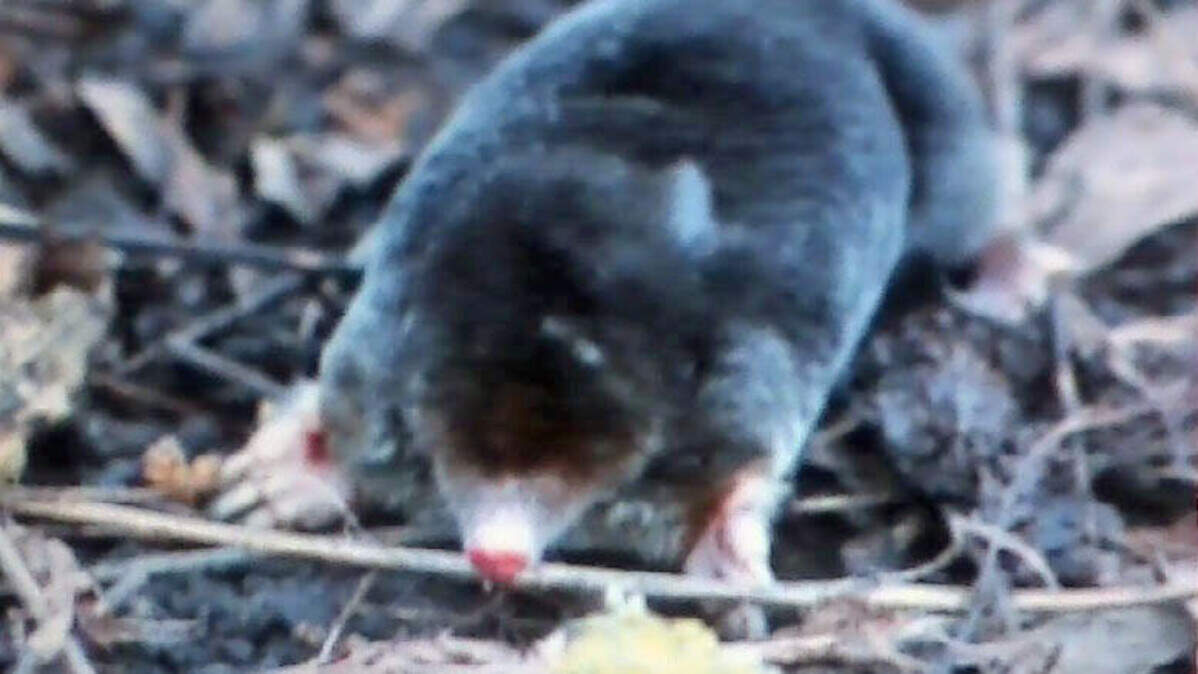
Some folks confused “ground hogs” and “ground moles’,” thinking they’re one in the same. Ain’t so.
While they both are active in February and on into warmer months and both dig burrows, that’s the end of their similarity.
The ground hog or woodchuck can travel on top of the ground and eats vegetables for its diet from a farmers’ garden. The ground mole or shrew travels entirely underground and consumes a diet mostly of earthworms and grubs. Destined to spend its whole life in darkness, this unique little creature, digs, digs, digs in order to build his home and to obtain food.
This small, thick animal is a tireless and rapid digger. He can dig his way through nearly 300 feet of ground in one night as he searches for earthworms, his favorite food. Spending its life underground makes it unnecessary for a mole to see well and they are nearly blind, with very small, point-size eyes that are covered with overhanging fur. While it might come up on the short side of being able to see, this tiny ball of gray fur makes up for it with the acute ability to hear, even though its ears are small.
It’s always hungry and eats its own weight in food in a single day, consuming it overnight. It’s a night prowler who works the night shift, you might say. It stays in its fortress home during the day.
Although it aggravates and frustrates local farmers, creating numerous tunnels that leave cracked earth on the surface as it zigzags across a planted field, it really does the farmer more good than harm by consuming large amounts of grubs, cut-worms and other root-destroying larvae.
I can recall how my daddy kept a sharp eye out for mole tunnels in the garden and would set several metal spike traps in the tunnels when he saw one. Setting those traps are kind of tricky but he had the knack for setting them, always catching the tunnel digging culprit.
If you’re familiar with seeing these mole tunnels in your carefully manicured yard you might notice, in spots, there will be a rounded, cracked-dirt area of dirt on top of the ground. This little hillock or molehill is its central chamber connecting with 3 or 4 vertical passages leading off to feeding grounds. If you happen to catch one alive — as my husband has done many times by standing watch over a tunnel until he see’s movement and then stomping his heel down in front of the moving mole and quickly using his hand, dig down and flip it out — you would see this velvety gray furred animal with a pink snout and pink tail. When placed on top of the ground, the mole scrambles around frantically until he finds a soft spot, then digs with his strong spade-like fore-feet, and in less than a minute he disappears in the ground.
The humid, rainy, spring-like weather we had in mid-month of February, making the ground soft, set up splendid conditions for the fast digging ground animal.
Our small dog, Sport, loves to dig in their tunnels trying to catch one. He hasn’t had any luck so far, even though he buries his face up over the top of his eyes.
We did have a cat years ago that would catch the moles and bring his prize to the back door steps and lay it down for us to see
If you don’t have any luck with a hoe trying to dig one out of his tunnel, you might have to resort to a purchased metal spike mole-trap.
Good luck.