
Ruins of Callawassie sugar mill recognized as historic site
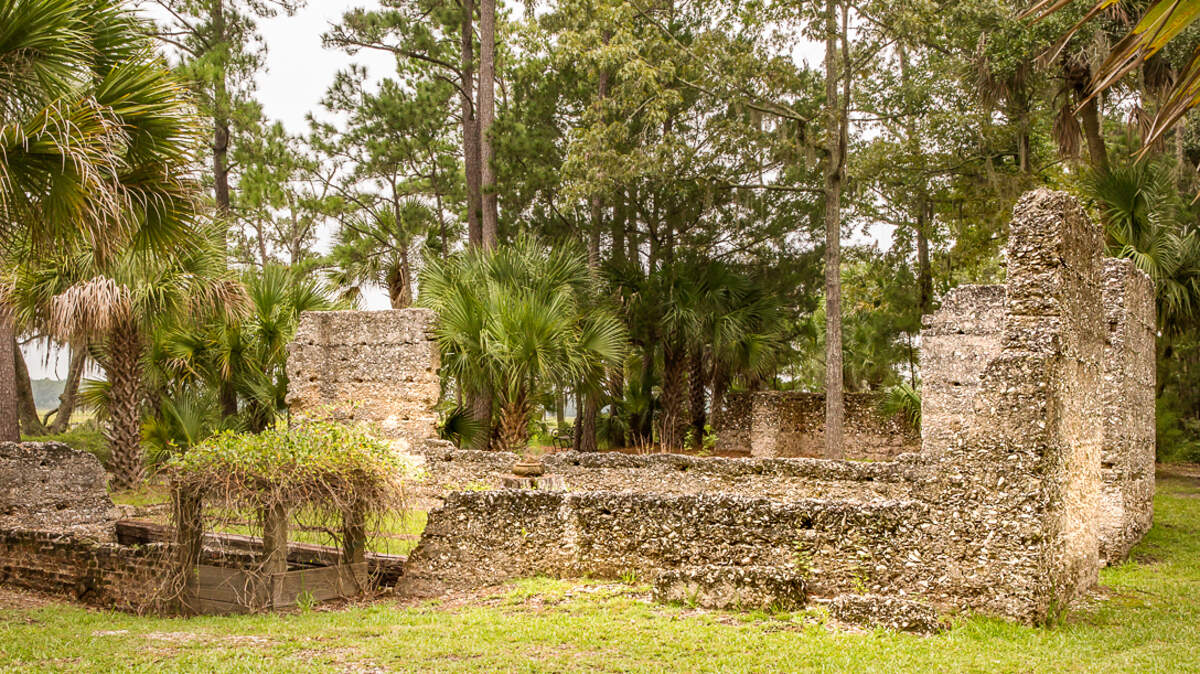
The ruins of a tabby sugar mill on Callawassie Island have been added to the National Register of Historic Places, the island announced Wednesday.
The Callawassie Sugar Works, constructed as early as 1815, gained designation as a site of statewide interest in June. Although only the foundations of the sugar mill and boiling house remain, the ruins shed light on what likely was the only operation of its kind in South Carolina.
According to the Library of Congress, the ruins are the only known example of a sugar-processing facility built from tabby in South Carolina.
Unlike cotton, indigo and rice operations on the island, the sugar mill was not a successful venture, according to research by tabby expert Colin Brooker, compiled for the register application by Callawassie resident Francesca Denton.
The mill was likely developed by James Hamilton Jr., who served as the mayor of Charleston and the 53rd governor of the state. Hamilton sold the property when he moved to Charleston, leaving behind no documentation and few other clues about the mill and its use.
It's also unclear why Hamilton used tabby, a construction technique that combines oyster shells, sand and lime to form a cement.
The sugar works were simply abandoned, the ashes from their last use left in the furnace, according to research by both Brooker and Denton.
"It's just a unique pre-industrial venture," Denton said. "And it's especially (so) for children to stand in a place and understand the context of where they are and what happened there."
Gaining historical status was a long process for Denton. She and a few other island residents began completing the paperwork in July 2012, sent their application for review a year later and were approved four months ago, she said.
The Callawassie community, however, knew of the ruins' importance much earlier.
Architectural renderings of the sugar works, drawn by Brooker in the 1980s, hang in the boardroom of the Callawassie clubhouse, island resident Angela Estes said. The site also appeared in the Historic American Buildings Survey.
The sugar mill joins 101 other island sites on the National Register of Historic Places.
"Callawassie Island has a very long-standing and interesting history," Estes said. "This is just one piece of it."
Follow reporter Rebecca Lurye at twitter.com/IPBG_Rebecca.
Related content:
- Daufuskie slave-home tabby ruins being restored , February 28, 2014
This story was originally published October 15, 2014 at 7:02 PM with the headline "Ruins of Callawassie sugar mill recognized as historic site."