Charismatic osprey turns heads as boaters cruise through Beaufort’s famous bridge
Boaters arriving in Beaufort this summer will find a head-turning greeter awaiting them.
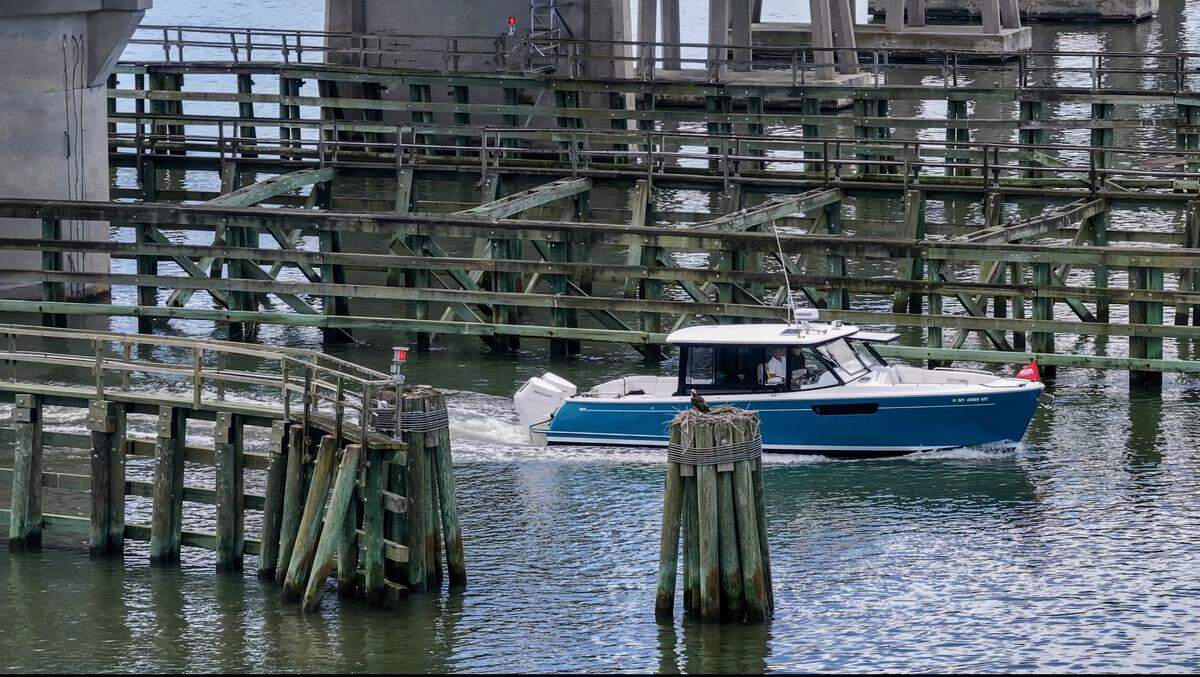
From a tractor tire-sized nest it has constructed of sticks atop a wooden piling sticking out of the Beaufort River, a majestic fish-eating osprey is welcoming boats that pass through the city’s famous movable swing span bridge.
The boat captains and their passengers can’t help but turn their heads as they cruise past the statuesque bird, whose feathers are never ruffled by the passing encounters.
Such a bird’s-eye view of the striking raptors would not have been likely just a few decades ago, says Erin Rogers, the coastal program manager for Audubon South Carolina.
Pesticides caused shells of raptors to thin and crack, causing raptor numbers to plummet. But birds of prey, including osprey, have made a comeback primarily due to the 1972 ban on the pesticide DDT and conservation efforts.
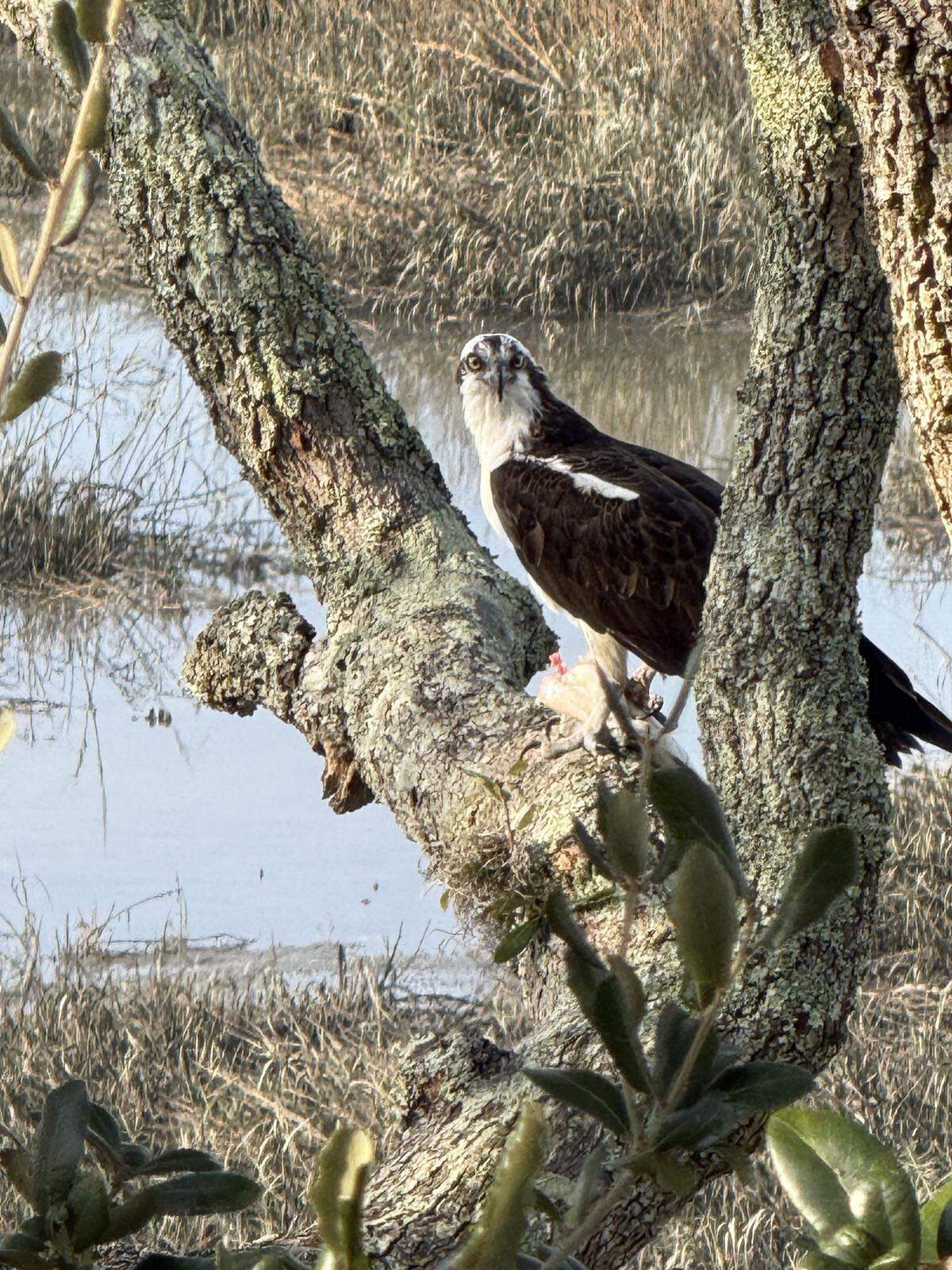
These days in the Lowcountry, it’s not uncommon to see the brown and white birds flying with a fish in their talons or perched at the top of a tree or telephone pole — or greeting captains on the Intracoastal Waterway passing through the Woods Memorial Bridge.
“That bird looks very charismatic,” Rogers said of the osprey that’s nesting at Beaufort’s river gateway. “I’m sure some people say ‘hi’ to it.”
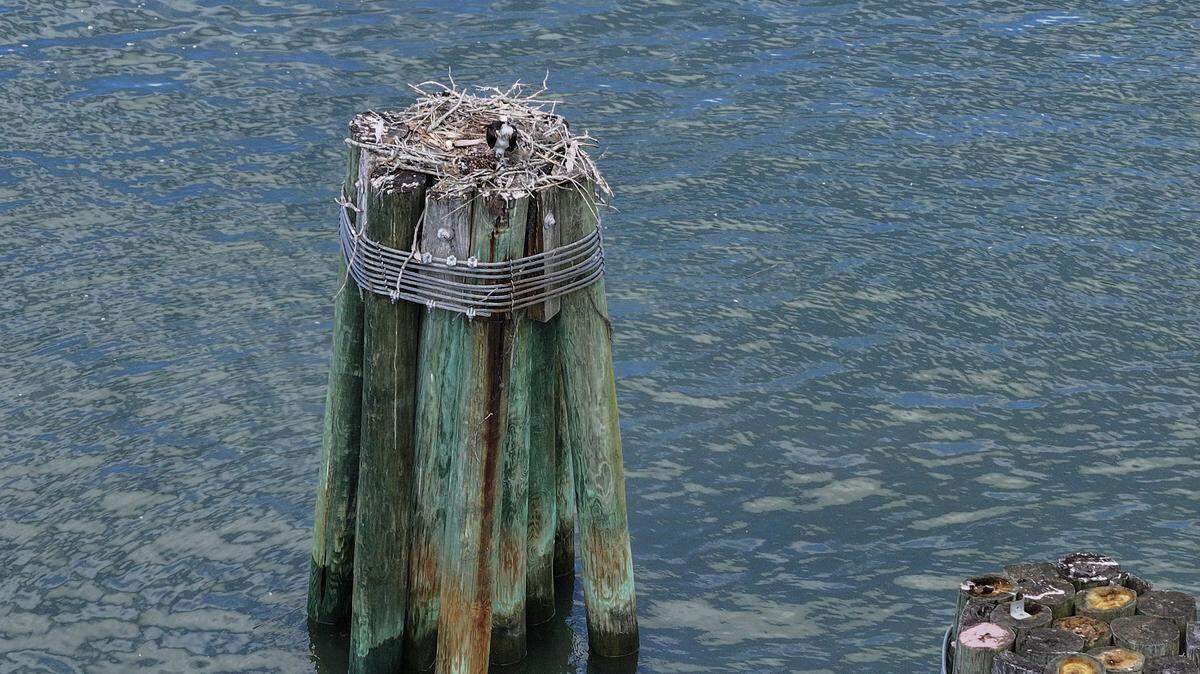
Rogers doesn’t know if the bold bird has nested previously on this bundle of poles known as a “dolphin pile,” which serves as a protective buffer for the bridge.
But it would not surprise her. Like the people who live in the Lowcountry, Osprey love fish and open water.
They frequently nest on bridges and telephone poles, especially taller structures that keep predators at bay and offer easy access to fish, which make up 99% of their diet. They plunge feet-first into the water to collect their dinner.
Osprey tend to return to the same nest year after year if they like the location, she said. And they will continue to expand the size of the nest each year.
“The bridge is a nice spot for her,” Rogers said.
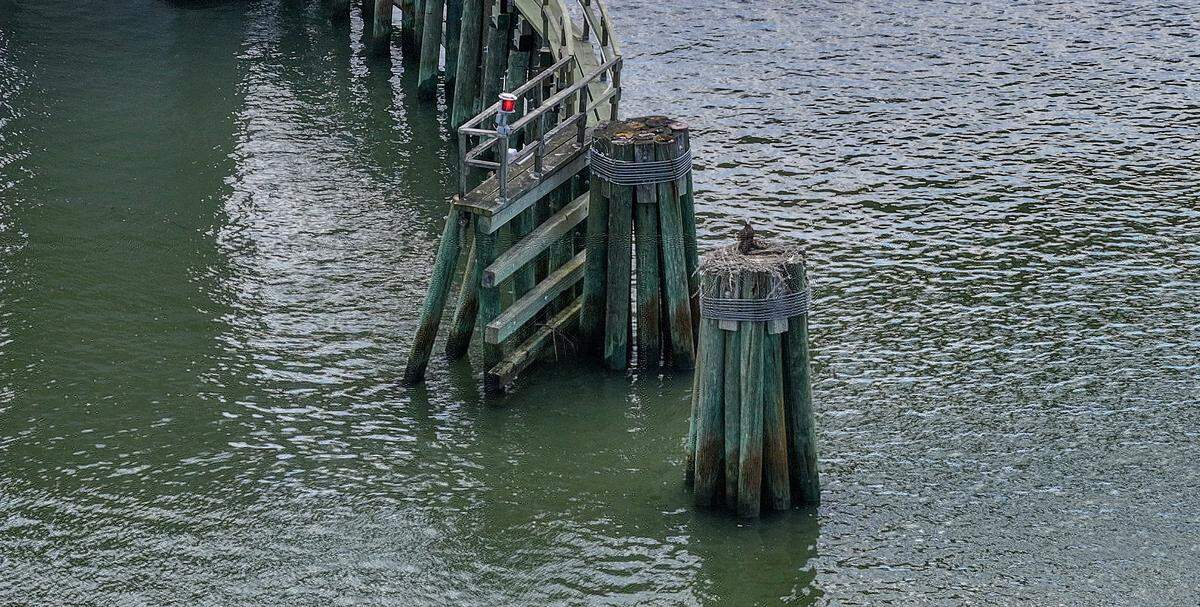
If they really like a nesting location, she adds, osprey will tolerate minimal disturbances. “They will be vigilant but not totally freak out,” Rogers said.
Passing boats, Rogers noted, is a brief disturbance.
If people get too close, osprey are known to begin flying around and vocalizing but unlike some raptors they don’t dive bomb people.
Besides boaters passing underneath the bridge, walkers and bicyclists walking over the bridge get a pretty good glimpse of the nesting osprey as well.
One of the benefits of the preference of osprey for nesting in the open is they are easy to watch.
“I think they are really pretty birds,” Rogers said.
Migrating osprey are in South Carolina between March and November, Rogers said. It’s the height of breeding season now. Females typically laying 1 to 4 eggs.
While osprey have rebounded, their future relies on keeping water clean, Rogers said.
“Because they rely on fish exclusively, any kind of pollution that ends up in the water will end up in the fish that will then end up in the osprey,” Rogers said.
Abandoned fishing line also can easily entangle the birds and injur or kill them, Rogers noted.
This story was originally published May 25, 2026 at 5:00 AM.