New Beaufort vacation rental rules praised, except for in one neighborhood
The adage “democracy isn’t pretty” comes to mind after the controversy that marked Beaufort’s monthslong effort to regulate short-term rentals.
Developing new vacation rental regulations turned into a convoluted process that had city officials sweating the details and postponing decisions following numerous 11th-hour amendments from the City Council.
In the end, council members crafted a sweeping ordinance limiting STRs in the coastal community of around 15,000 that draws visitors from across the country.
The new rules were unanimously approved Tuesday. They drew praise — except for from one prominent neighborhood.

City Council members hope the regulations will reduce the clustering of the increasingly popular vacation rentals in homes and backyard cottages across the city’s established neighborhoods.
The city currently has 194 STRs citywide and 97 in its historic district, said Curt Freese, the city’s Community Development director.
Talks to address a 42% increase in STRS over four years, fueled by the pandemic, began in August. The growth was raising concerns that noise, parking issues and frequent turnover of guests were changing the feel of the city’s well-kept historic neighborhoods.
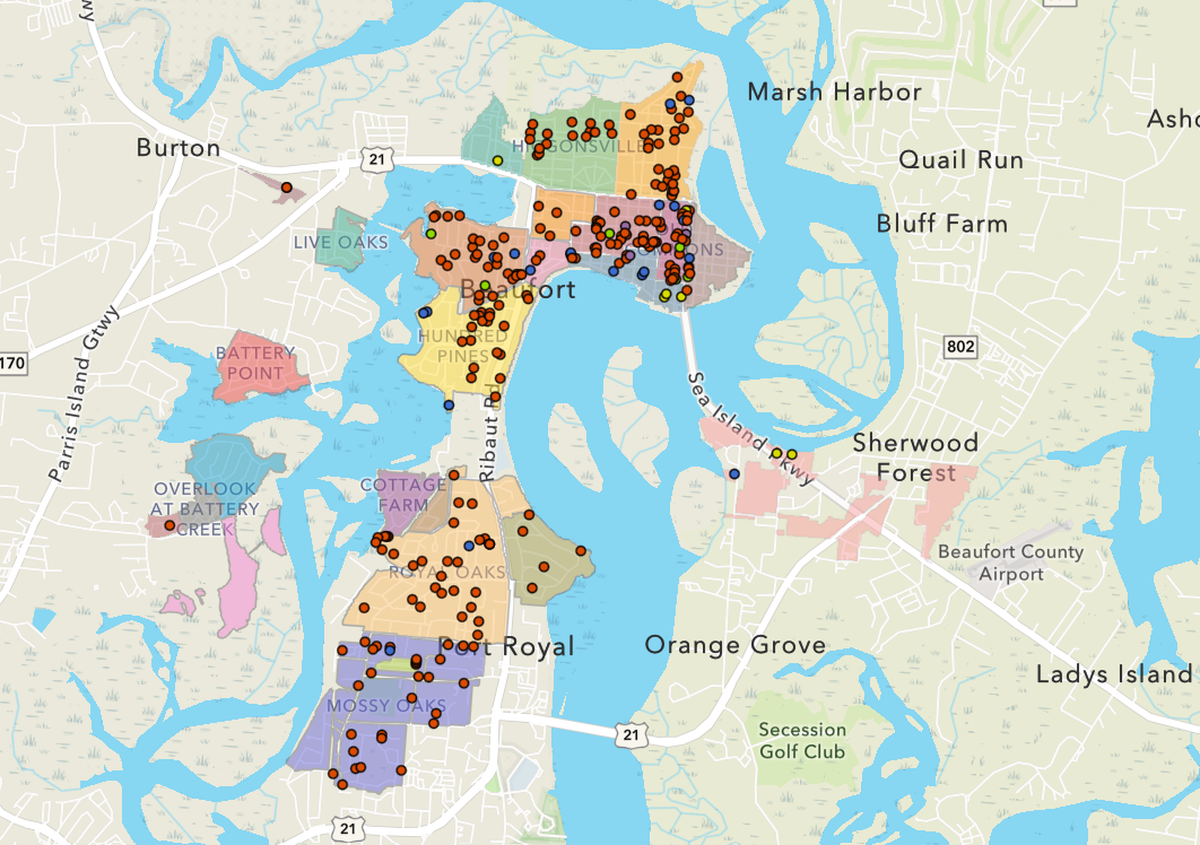
Since then, the city has held nine public meetings to talk about STRs, Freese said.
“I think each meeting we’ve changed some things,” Freese said.
New caps on STRS
Under the new rules, STRs are capped at 4% of the parcels of each neighborhood in the city. Neighborhoods that already exceed 4% will be immediately capped.
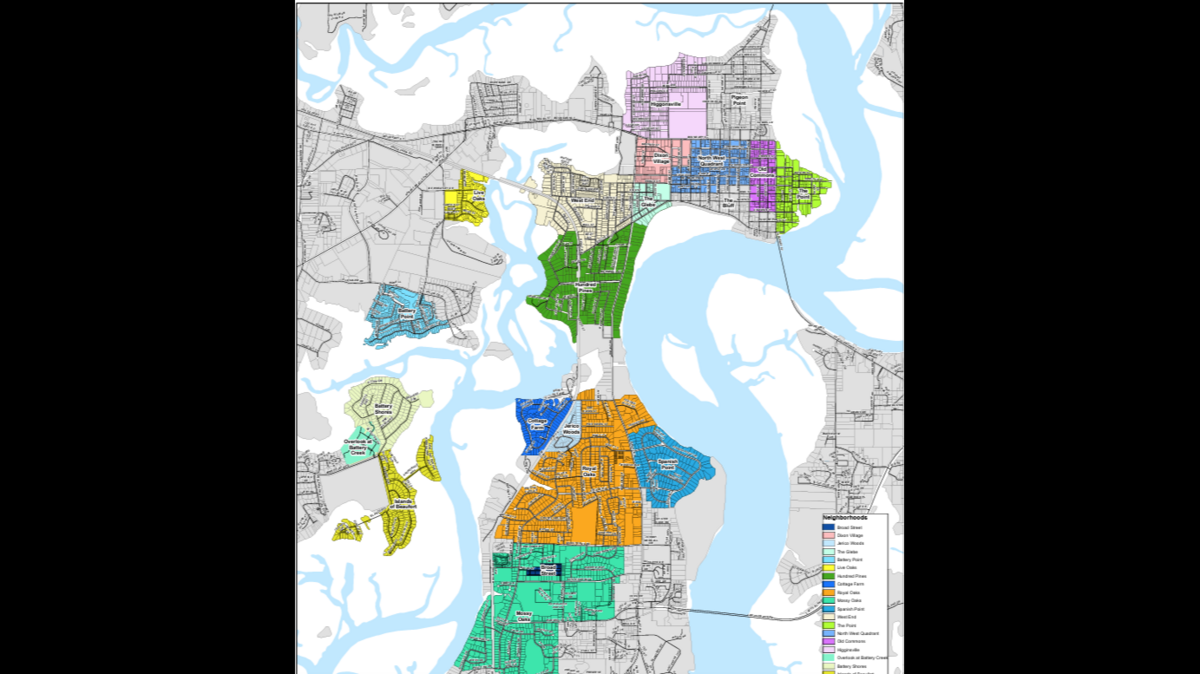
The city is imposing a stricter 3% cap within its 300-acre National Historic Landmark District “to better preserve historic character and residential integrity.” The district, which already has more than 90 STRs, is immediately capped because 3% equals 32 STRs.
A 6% cap was originally proposed for each of the city’s neighborhoods, but council members took a tougher stance after hearing from residents.
To prevent clustering, the new rules require that STRS be located at least 300 feet apart. And no more than one license is allowed per lot.
The ordinance also includes:
- An exemption from caps for those who buy and rehabilitate abandoned or dilapidated properties. The purchases must have been made between Sept. 1, 2025 and May 12.
- A three-strike policy where repeated violations over a year can result in license suspension.
- A requirement that the owner respond to complaints within one hour.
‘Yaaay’
With the finish line in sight, the City Council called special meeting to hammer out the final details on April 21.
At the conclusion of that meeting, the council approved the new rules by a 5-0 vote.
In relief, Councilman Mike McFee exclaimed, “Yaaay!”
“Convoluted,” Mayor Phil Cromer quickly added, “but I think it gets most of it done.”
On Tuesday, the council finalized the regulations with a second 5-0 vote, which came on the 10th public meeting on the issue over the past 10 months.
Ordinance is ‘very good’
Dave Russell, a resident who lives on Craven Street, commended the council for its work on the thorny issue. The ordinance, Russell said, wasn’t perfect. But through the process, he said, the ordinance went from “good to very good” and addresses many of the concerns raised by residents, he said.
“Hopefully we can move on to other important issues,” Russell said.
Suzanne Schwank, a 40-year resident of the city, also commended the city for taking up STR growth at an April 14 meeting.
“Every tourist town has been shaken by the STR tsunami,” Schwank said.
The Point residents disappointed
But one decision by the City Council left a bad taste in the mouth residents of The Point neighborhood, including Schwank, who lived in that part of the city for 17 years.
As part of its revision of the STR rules citywide, the council removed an existing STR ban in the neighborhood known for its historic and famous homes, like “The Big Chill House,” where the 1983 movie was filmed.
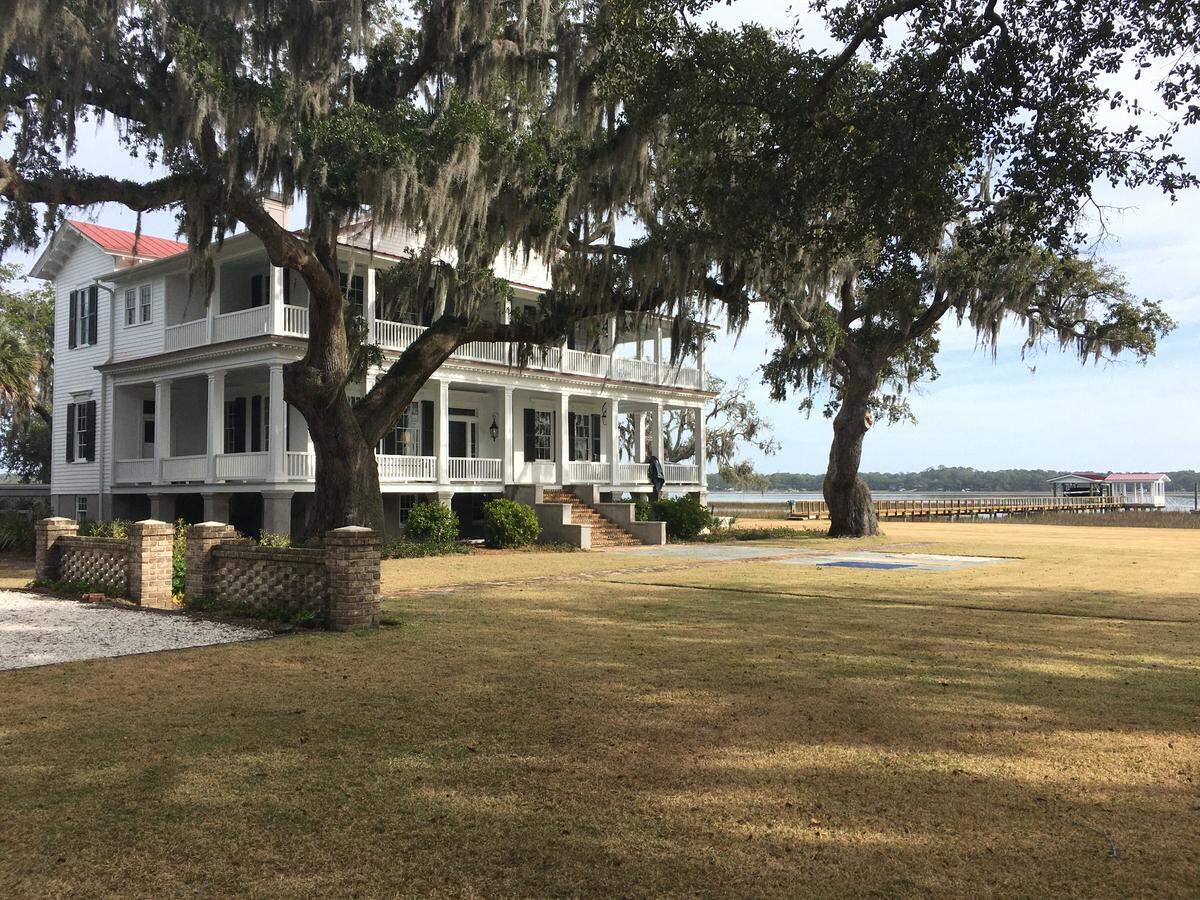
Council members argued all city neighborhoods were feeling pressure from STRs and should be treated the same.
Residents of the Point, where the ban had been in place since 2018, unsuccessfully argued that it did not make sense for the city to remove the protection for their neighborhood because other neighborhoods were facing STR pressures. The solution, they said, was assisting the other neighborhoods in addressing the issue.
Responding to criticism that the neighborhood was receiving special treatment, Schwank, for one, argued The Point neighborhood was, in fact, a special neighborhood.
Its centuries old and famous properties means residents bear a disproportionate amount of the city’s tourism burden, she said. Every tourist, for example, wants to see The Big Chill House, which she described as “an STR investor’s dream.”
Having just one or two of these iconic properties turned into an STR, Schwank said, could change the entire neighborhood.
“If you allow STRS, not only are you not preventing any of these iconic houses from leaving private hands, you guarantee some of them will,” Schwank said.
Now The Point, which is within the historic district, will operate under a 3% cap.
This story was originally published April 29, 2026 at 9:27 AM.