New $32 vehicle tax stands out in Beaufort’s proposed 2027 budget. What would it fund?

The city of Beaufort is proposing a $32-per-vehicle tag fee in its 2027 budget to offset the rising costs of maintaining right-of-ways for state-owned roads within its borders.
The idea, which has been discussed but never implemented in the past, made it into the $73.5 million 2027 budget that City Manager Scott Marshall presented to the City Council for the first time Tuesday.
The budget’s introduction marks the start of discussions by council members on the city’s spending priorities for the coming year.
Council members don’t really like the new fee. At the same time, they acknowledge the need for new revenue streams with costs rising. How the fee will fare in the end won’t be known until the city adopts the budget in June but city officials expect it to be controversial.
“Anytime you introduce a new fee it’s going to raise questions and rightly so,” Marshall said.
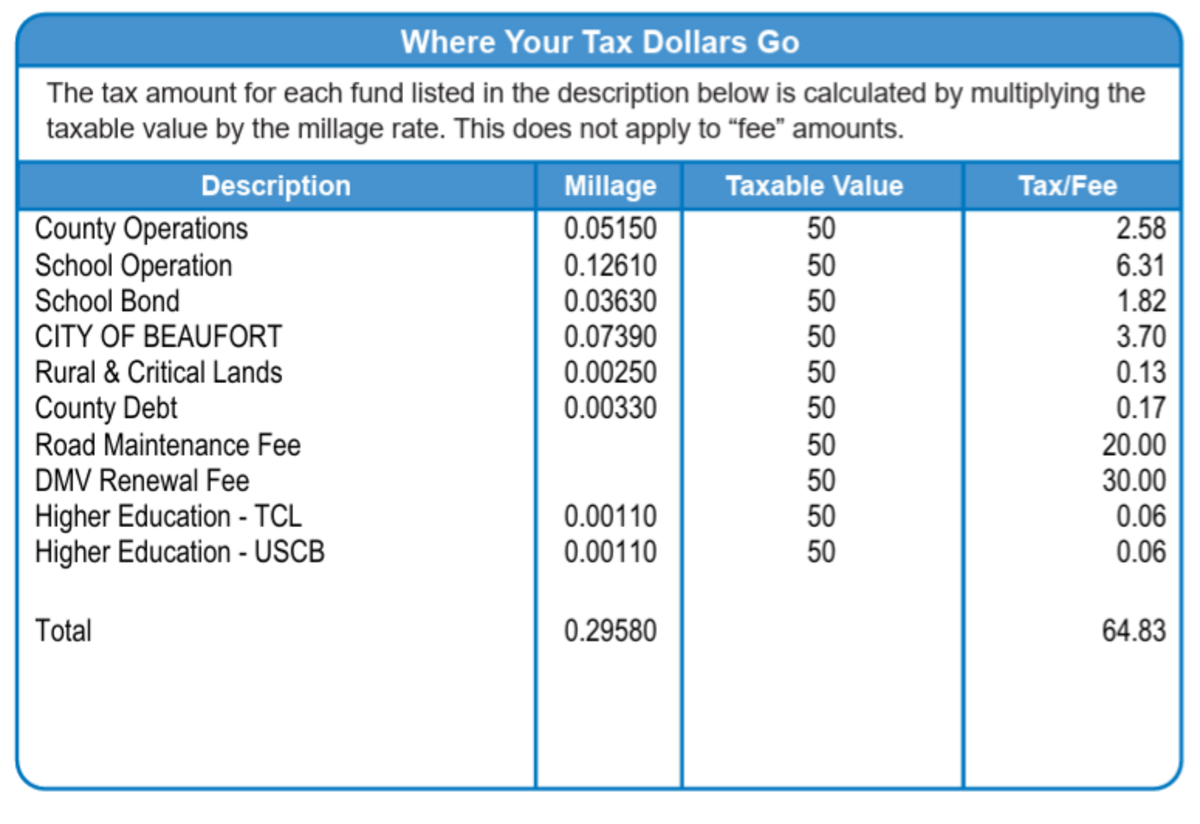
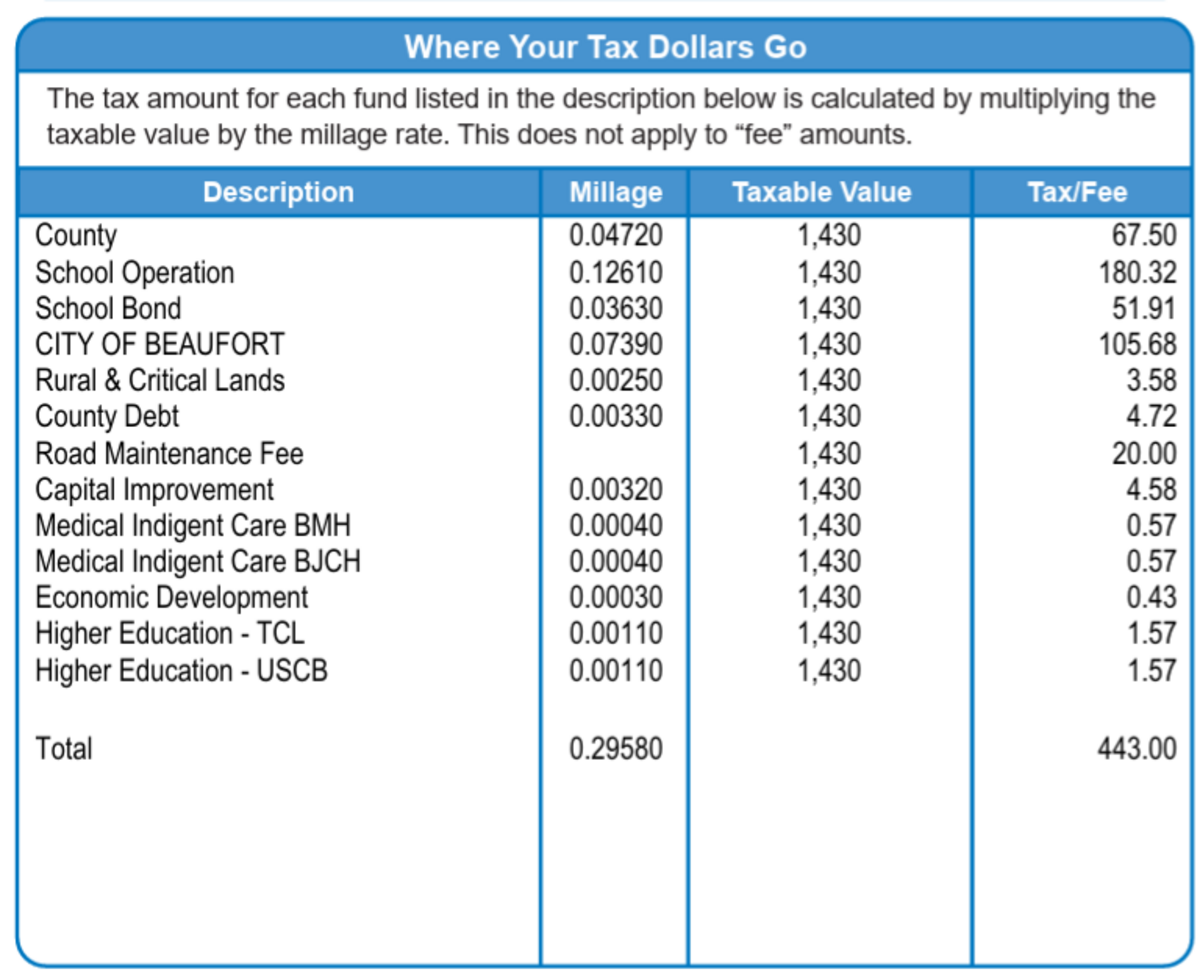
The $32 fee, if approved, would be tacked on to the existing vehicle property tax bill residents pay each year when they get new license plate decals, or tags. Those registration fees can range from under a $100 for an older vehicle to over $400 for a new model.
It would be charged only to those with Beaufort addresses who own a vehicle.
What the funds would be used for
The city says the $32 per vehicle would raise $322,560.
Those funds would be used to offset the city’s costs of maintaining right-of-ways on roads owned by the South Carolina Department of Transportation, Marshall said. Among those are major roads like Boundary Street. Although the SCDOT owns those roads, the city takes care of the rights-of-way -- for example, mowing the grass on the sides of the roads and in the medians. The city also sweeps them.
The city is not reimbursed for that work and Marshall said costs are rising.
“We would prefer not to increase (tax) millage, and our operating costs continue to inch upward,” Marshall told the Beaufort Gazette and Island Packet on why staff proposed the tag fee. “At least this would be a fee directly maintaining the streets the vehicles drive on. So there’s a direct correlation there.”
When the budget, vehicle tag fee will be voted on
The City Council will discuss the budget on Tuesday. Members are expected to take a vote on the first reading of the budget May 12 and adopt it June 9.
“I’m not real hip on it,” Councilman Mike McFee said of the tag fee. “I think it’s just another form of taxation -- which literally it is.”
But McFee also noted that the city spends “a fair amount of money” on the right-of-way maintenance “because our citizens sort of expect it.” In that sense, he says, enacting a fee might be fiscally responsible. A city collects a stormwater fee, he notes, and charging a tag fee for streets “would be the same thing.”
At the same time, McFee said, while the additional $32 charge on the vehicle taxes may not be onerous for some, it would hit working class residents with smaller incomes harder.
“I’m sure it will gain some attention,” McFee said, “and there will be opponents as well as proponents.”
The City Council has never had the appetite for such a tag fee in the past, McFee said.
Councilman Josh Scallate broached the fee in a bigger message on the proposed budget he delivered to his constituents via Facebook. The city is exploring new revenue mechanisms to fund essential services like right-of-way maintenance, he said.
“In my view,” Scallate said, “these services should be fully prioritized within our existing budget before turning to new fees or taxes.”
Between a rock and a hard place
Councilman Neil Lipsitz called the $32 fee “a little much” but says he wants to hear more.
“I’d be surprised if $32 goes through, but we’ll see,” he said.
The city, Lipsitz says, is caught between a rock and a hard place because the alternatives -- doing away with some services or increasing taxes -- aren’t great either. “The money needs to come from somewhere,” Lipsitz said.
Mayor Phil Cromer said he’s opposed to a $32 fee because of the impact it would have on those with low or fixed incomes, but he might consider a lower amount. While Beaufort is growing, Cromer says, it isn’t growing as fast as some communities, and “we don’t have a ton of revenue coming in to continue doing what we’re doing without coming up with some additional revenues.”
He said he’s asked the city staff to provide more information on what other cities are doing in regard to tag fees.
“It has to be discussed,” Cromer said. “We haven’t fleshed it out very well.”
Councilman Mitch Mitchell said he’s willing to have the proposal go forward and see how the public reacts. The council can always remove it from the budget, he said, if the public thinks the bad outweighs the good.
“I personally think it would be a good investment citywide,” Mitchell said.
But Mitchell also said he understands how the fee might be burdensome for residents who are “somewhat income-limited.”
At this point, Beaufort budget is just a proposal
Marshall said the budget at this point is a staff proposal and not “gospel.”
Another noteworthy item in the budget is a $1,000 fee for short-term rentals that will generate an estimated $242,000.