After a rocky few years, ‘new day’ dawns at Beaufort’s newly named Black chamber
The Beaufort County Black Chamber of Commerce, embroiled in infighting just a few years ago, has embraced a new name and mission as it begins a new chapter in its 25-year history.
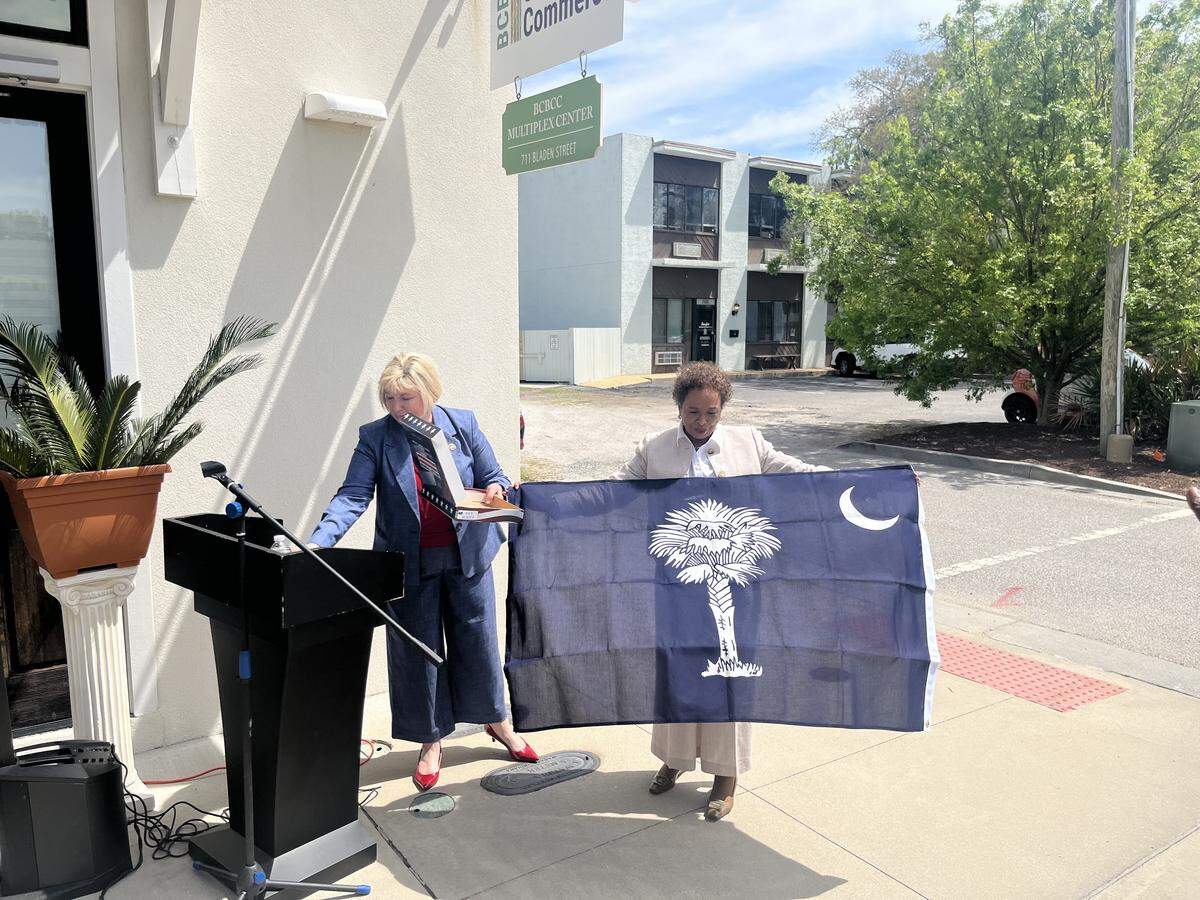
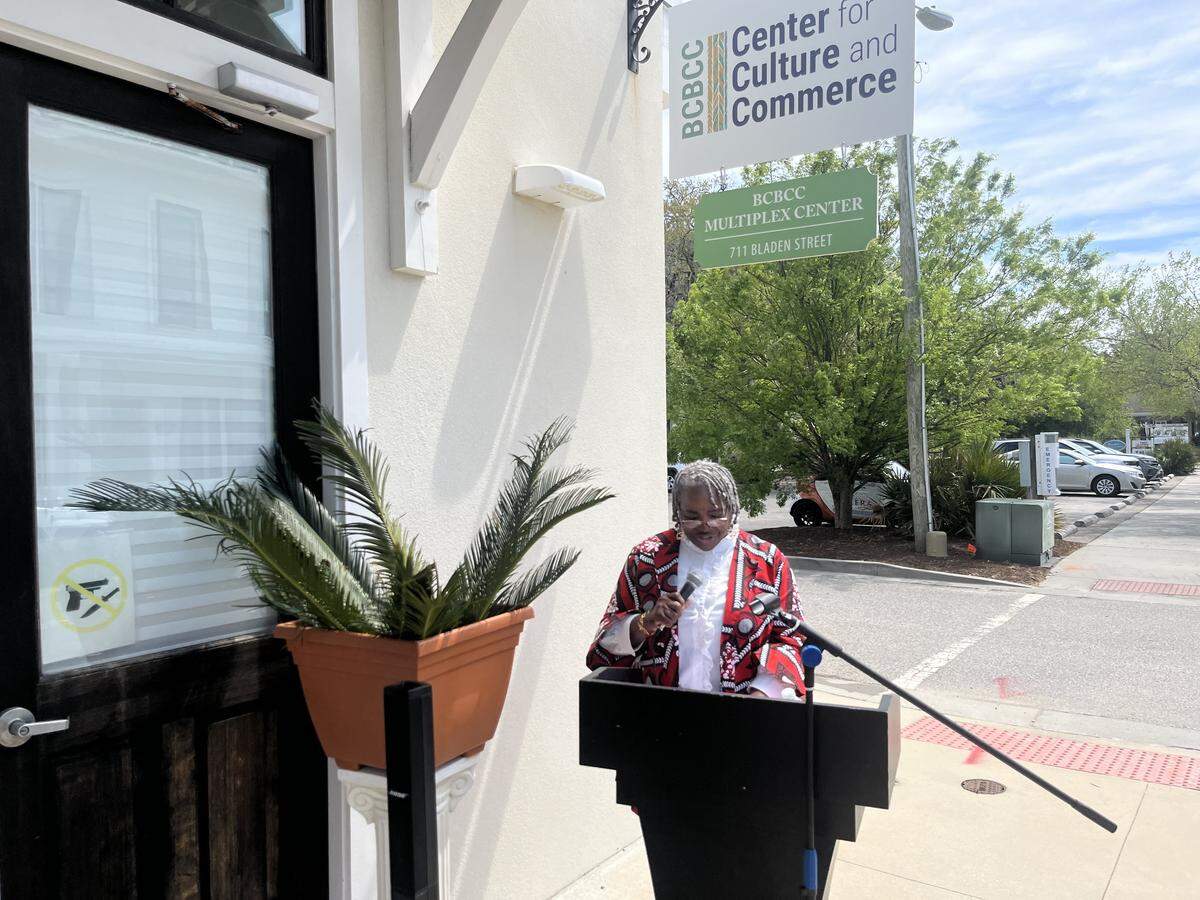
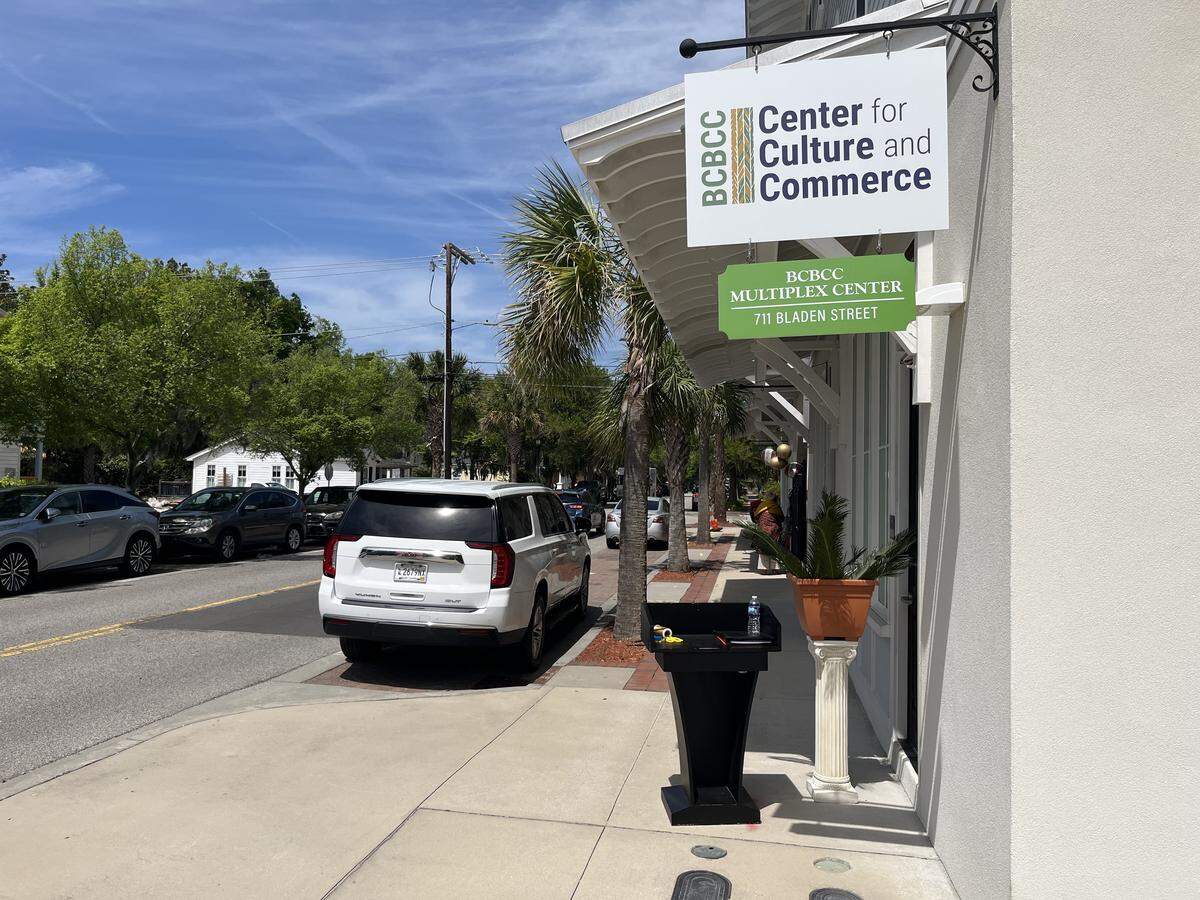
Signage with the new name — BCBCC Center for Culture and Commerce — was unveiled Wednesday afternoon when its staff of six gathered with local leaders to mark the moment.
Marilyn Harris, the group’s executive director, said the sign change is just a symbol of an expansion of the organization’s mission that will bring new focus on helping small businesses, artists and “culture bearers” to capitalize on the cultural commerce that is so prevalent in Beaufort.
“It’s a new day,” Harris told the Beaufort Gazette and Island Packet. “It’s an expanded mission.”
Traditional economic development work will continue. But going forward, the group will put commerce and culture under one roof at the Bladen Street headquarters. That will include investing in entrepreneurs trying to build businesses tied to art and culture, and providing space for artists to display their work.
The center sees arts and culture as pathways for economic opportunity, workforce development and neighborhood revitalization.
“In Beaufort, culture and commerce are deeply intertwined,” said Viola Smalls, the chairperson of the center’s board of directors.
Other changes going forward are new partnerships with the Beaufort Regional Chamber of Commerce and Charleston-area banks, she said.
The Beaufort County Black Chamber was founded in 1999 to support minority-owned businesses and entrepreneurs. Its revenues grew to more than $1 million in some years, coming from local government support and grants.
But a 2020 lawsuit, brought by some board members against then CEO Larry Holman, led to a three-year feud that put the agency in the limelight. The board members accused Holman of misusing money, hiding financial documents, nepotism and firing the board members who brought the charges. Holman denied it all.
A judge eventually dismissed the lawsuit after ordering Holman to produce the financial records demanded by the board and to follow the board’s orders.
In 2023, the board voted to terminate Holman’s contract and later hired Harris, the start of a new chapter in the history of the chamber.
Bernard McIntyre, who was chairman of the board during the upheaval, said Wednesday that the new day for the chamber actually began when the court empowered the board to empanel another board to replace the board installed by Holman. Since then, the chamber has been “forward and positive.”
“Entirely, 110% different,” McIntyre said. Harris’ staff, he added, is “mission connected and mission driven.”
The original mission of the chamber was to serve as an incubator to expand business opportunities for small business that did not have access to conventional capital, especially for people of color but not exclusively, McIntyre said. “As a board, we executed small business loans to Black and white alike,” McIntyre said.
Today, “cultural anchor” has been added to the center’s role as an economic engine, the center said. The dual mission will translate into support for Black-owned businesses, cultivating entrepreneurs and offering creative spaces for artists, the center says. The end goal is creating generational wealth.
In Beaufort, culture has become a business, noted McIntyre, who mentioned basket weaving, quilt makers and horse-drawn carriage tours as examples. Under the expanded mission, the BCBCC Center for Culture and Commerce will work harder to assist entrepreneurs looking to get into that type of business, McIntyre said.
“The Gullah Geechee culture is just as much a part of the culture as anything,” McIntyre said.
Support could be in the form of loans or connecting prospective business owners with services such as legal advice, he said.
On Wednesday, visitors checked out an exhibit by Beaufort artist Tendaji Bailey called “Tide to the Land,” which explores Gullah Geechee maritime traditions and highlights how Gullah people have used the water for generations to survive, from oyster harvesting to shrimping. The free exhibit runs until July. The center says the exhibit underscores its commitment to putting commerce and culture under one roof.