‘This is just wrong.’ $1.3M tax break for upscale apartments raises red flags in Port Royal
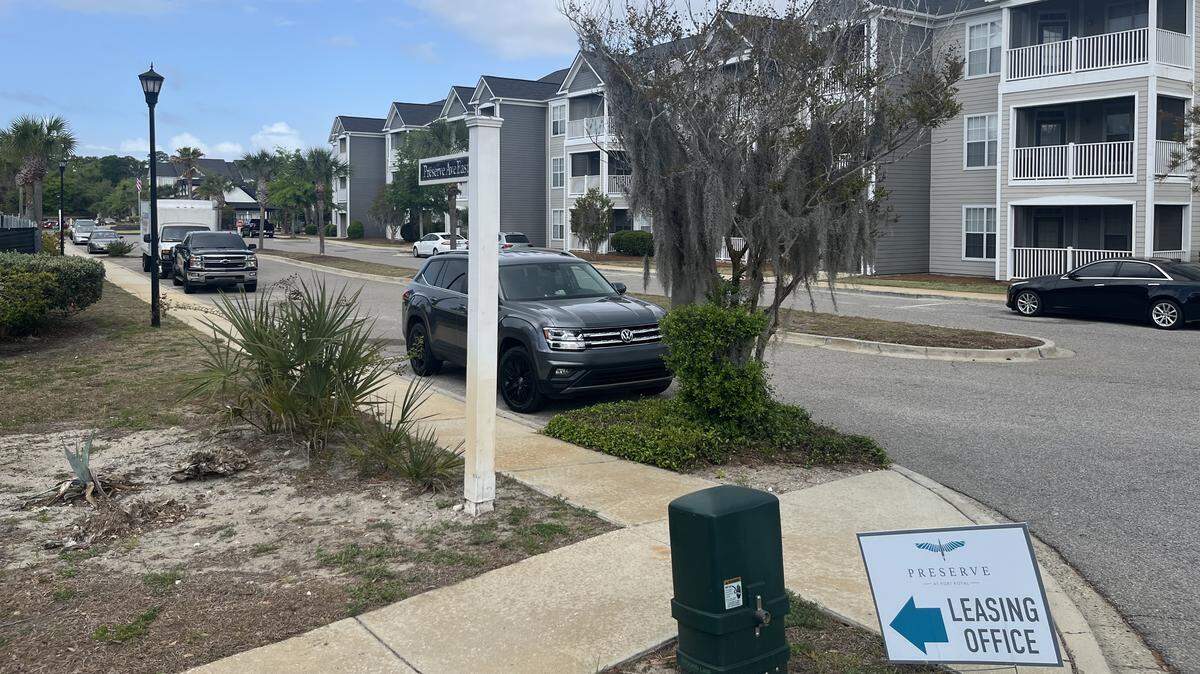
The Preserve at Port Royal markets itself as an upscale apartment complex “where a convergence of comfort, charm and convenience creates an unparalleled place to call home.”
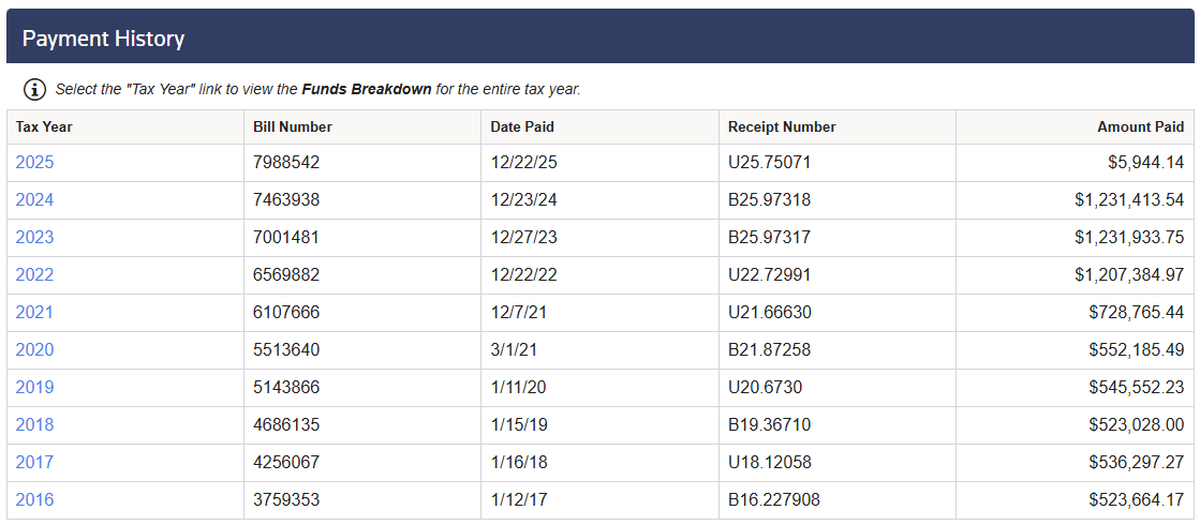
Yet its owner, Sundance Bay LLC, a real estate private equity firm in Salt Lake City with $4 billion in assets, paid no property taxes in 2025, after paying $1.2 million each year between 2022 and 2024, according to Beaufort County tax records.
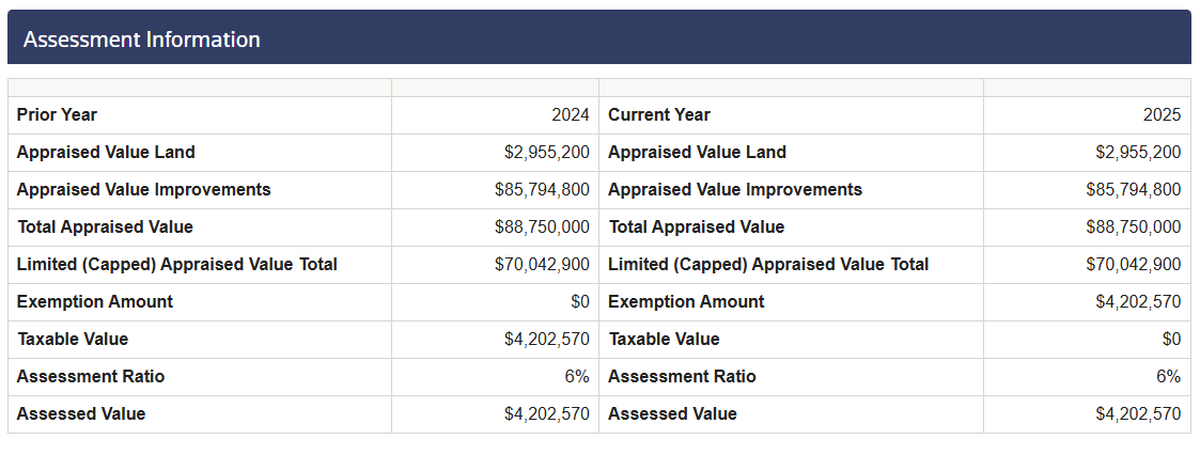
It’s tax break in 2025 amounted to $1.3 million. Those funds would have gone to the town of Port Royal, Beaufort County Public Schools and Beaufort County. Why the tax exemption?
The town of Port Royal is asking that question — and many more — in the wake of the unexpected drop for the owner of the 400-unit apartment complex, one of the town’s largest when it came online in 2005. It’s resulted in the loss of $349,867 for the town alone -- 6% of its revenue.
The short answer is Sundance Bay took advantage of a loophole in state law that allowed it to get a big tax break for purportedly offering affordable housing to some of the residents who live in its 40 buildings. But the town is questioning just how many of the units are being made available for low- and moderate-income residents.
“This is just wrong,” Port Royal Mayor Kevin Phillips said Wednesday, when the Port Royal Town Council discussed the emergency funding problem in public for the first time. “This is the state of South Carolina putting the interest of a for-profit private equity firm out of Utah over the interests of the citizens of South Carolina. That’s who it hurts.”
Port Royal officials are furious about the loophole allowing the apartment complex owner to get the tax break when town officials are dubious it’s providing a percentage of affordable housing worth such a generous subsidy. They also can’t understand why the town was not notified by either Beaufort County or the South Carolina Department of Revenue, considering the major tax implications for the town and its 16,000 residents.
The town says the county assessor’s office had a list of property tax exemptions for Beaufort County, including the exemption for the Preserve, in its possession as of May 30. The town passed its budget June 11, thinking it had $349,867 in revenue coming from the Preserve. The town is working under that budget now and scrambling to fill the hole.
“My reaction was, ‘Did a bell go off anywhere?’” Town Manager Van Willis says.
Town found out via social media
Instead, the town found out about the Preserve’s property tax bill dropped 99% from social media.
In early March, Willis began to worry when the town’s finance director told him that property tax collections were not keeping pace compared to last year. He knew something wasn’t right and checked with the county. He was informed that collections for the county were at 90%. But Willis knew the county’s much larger budget meant the loss of revenue would not be as noticeable as it would be in Port Royal, which has an $11 million annual budget.
Then on March 9, Willis was perusing the social media platform Nextdoor when he saw a post inquiring, “How did the Preserve go from paying $1.3 million in property taxes to $6,000?”
Kevin O’Brien, a local business owner who tracks local real estate, including assessments and tax payments, posted the comment.
Willis knew he had the answer to the town’s funding shortfall.
“Ding, ding ding ding. Lights go off,” Willis said.
Beaufort County Public Schools also lost $726,126 as a result of the tax exemption for the preserve, according to the town. Beaufort County government won’t receive $259,000, in addition to $13,000 to conserve green space.
Town investigates
After Port Royal learned of the situation, the town launched its own investigation.
It requested the application for the exemption from the SCDOR, which required the town to file a Freedom of Information Act request.
What it learned is state law allows a limited liability company that purports to provide low- to moderate-income housing to receive a tax exemption. Sundance Bay, which purchased the 40 buildings on 20 acres at the Preserve for $92 million in 2021, spun off a limited liability company called HOM (Housing on Merit) Preserve at Port Royal LLC, a nonprofit supposedly dedicated to providing affordable housing. It received the exemption in 2025.
Port Royal says Sundance Bay’s law firm identified a loophole in state law that allows a corporation to receive a tax break by creating an affordable housing LLC that comprises at a minimum .1% of the parent LLC’s corporate structure.
Councilman Jorge Guerrero could barely contain his frustration when Town Council members discussed the issue Wednesday.
If Sundance Bay is effectively getting a $1.3 million tax incentive to provide low- to moderate-income housing, every single unit in those 40 buildings should be made available for that purpose, Guerrero said.
But the town says the number of units being made available was blacked out of its FOIA request to the SCDOR.
“This is pretty serious, “ Guerroro said.
Low income housing offered?
On its website, the Preserve says those with household incomes between $38,000 and $88,000 might qualify for affordable housing.
The town had a firefighter earning $48,000 a year call the Preserve Apartments and ask for an affordable unit, according to Willis. He was told the cost for a one-bedroom would be $1,450.
The firefighter reiterated that he was inquiring about the affordable units per its website, and was told the $1,450-per-month unit was what they had. The town notes that $1,450 a month would have been almost 38% of the firefighter’s annual salary, well above what’s deemed affordable.
In light of the financial crises created by the tax break, the town has requested the House Ways and Means Committee of the Legislature to hold a hearing on Senate Bill 125. That bill, introduced last year, is meant to address the loophole.
Willis said the town hasn’t been notified whether a hearing has been scheduled. Phillips noted time is of the essence to close the loophole because there are only five weeks left in the legislative session.
Unless the bill is amended, the Preserve will have a property tax exemption forever, Willis said, “and there is nothing cities, towns, school districts or counties can do to prevent other private equity firms or apartment complexes, including those from out of state, to exploit a glaring loophole by establishing LLCs that supposedly provided low- to moderate-income without verifiable thresholds to truly deserve exempt status.”
Local taxpayers, Willis added, will bear the burden of providing services via increased property taxes or reductions in services.
Meanwhile, Phillips, the town mayor, says Port Royal is now working on ways it can make up for the funding shortfall. It would have been nice, he noted, to have known about the problem last year, before the town passed the budget.
“In effect, what it is doing is creating cash-flow profits and a large income stream for an out-of-state private equity firm at the expense of firefighters, police and teachers,” Phillips said.
This story was originally published April 3, 2026 at 2:51 PM.