Shrimp testing of 44 Myrtle Beach restaurants finds 75% serving imports. Here’s who wasn’t
A new round of random testing of shrimp served at eateries across South Carolina, this time in the popular seaside town of Myrtle Beach, showed more disappointing results for consumers expecting to dine on fresh local seafood.
An analysis of 44 restaurants selected for testing in the city, which attracts 18 million visitors annually, found 11 serving authentic American wild-caught shrimp, or 25%. The remaining 33 restaurants, or 75%, were serving farm-raised imported shrimp.
The results are based on genetic testing by SeaD Consulting on behalf of the Southern Shrimp Alliance (SSA), a group of five coastal southern states, including South Carolina, that promote the local shrimping industry. The testing was done from Feb. 6-10.
SSA is taking an aggressive stance on what it says is pervasive false advertising with restaurants advertising local shrimp often selling foreign imports. SSA pays Houston-based SeaD Consulting to test the genetics of shrimp served at randomly selected restaurants across the Gulf and Atlantic coasts. The results are then publicized to raise awareness and spur the passage of country-of-origin labeling.
Country of origin law considered
On Tuesday, Feb. 24, a bill that would require South Carolina restaurants to include country-of-origin labeling of shrimp on menus was scheduled to be heard at 10 a.m. in the House Agriculture, Natural Resources and Environmental Affairs Committee. It is sponsored by Rep. Bill Herbkersman, R-Bluffton, Rep. Jeffrey Bradley, R-Beaufort, Rep. Shannon Erickson, R-Beaufort, Rep. Bill Hixon, R-Edgefield, and Rep. Tommy Pope, R-York.
SeaD Consulting says five other southern states have already passed or strengthened similar labeling and disclosure legislation over the past two years. It says restaurants in states with active labeling laws have a higher seafood authenticity rates compared to states without regulations. Domestic shrimping industry groups argue serving imported shrimp misleads consumers, hurts the reputations of restaurants and costs local shrimpers millions in market share.
The Myrtle Beach findings come on the heels of last week’s release of similar testing results in Charleston, a market that SeaD Consulting retested earlier in February. That testing found 17 of 22 restaurants serving farm-raised imported shrimp imply it was local seafood, the group said. The 22 restaurants were part of 44 originally tested last year.
SSA and SeaD Consulting do not release the names of restaurants found to be selling imported shrimp, choosing to publicize the restaurants that are serving local seafood instead.
“We want to have a positive message,” Dave Williams, president of SeaD Consulting, told the Beaufort Gazette and Island Packet Tuesday. “We’re not at war with restaurants or anything like that. We’re just trying to show a situation that needs to be corrected through legislation or something similar.”
SeaD Consulting, however, does make its results available to local health departments for enforcement efforts.
Restaurants selling local shrimp
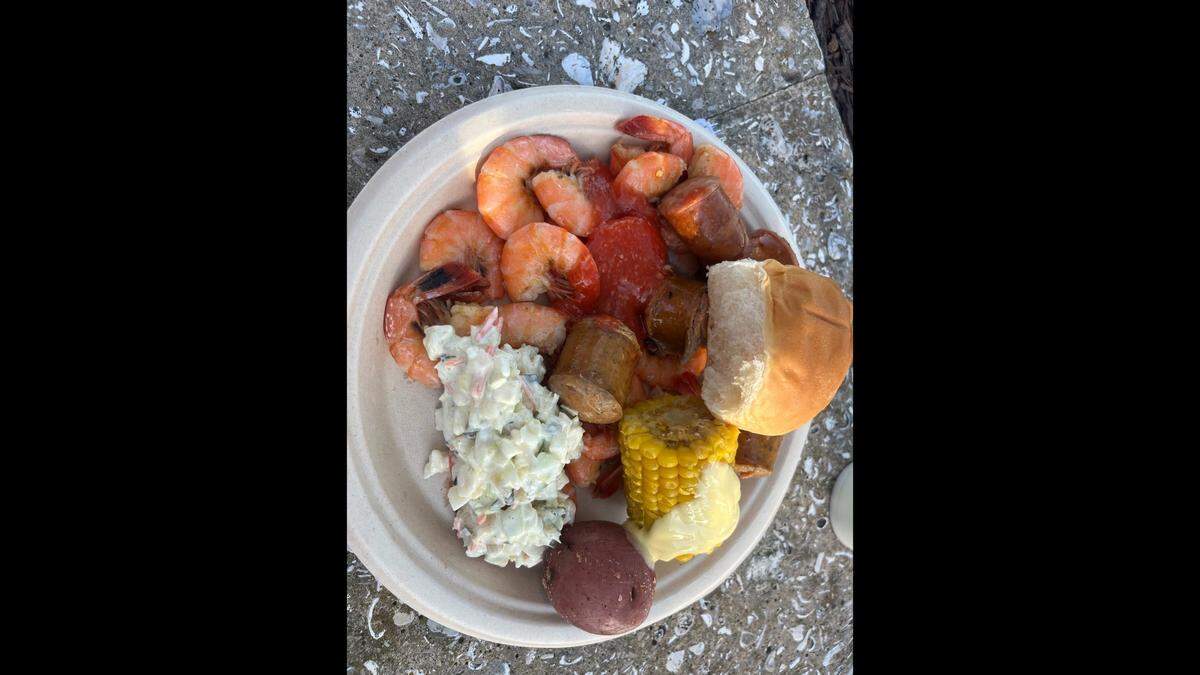
According to SeaD Consulting, these Myrtle Beach-area restaurants were selling locally caught shrimp: Cape Fear Seafood Company, North Myrtle Beach; Chesapeake House, Myrtle Beach; Crab Catchers, Little River; Drunken Jack’s, Murrells Inlet; Flying Fish Public Market and Grill, North Myrtle Beach; Flynn’s Irish Tavern, North Myrtle Beach; Graham’s Landing, Murrells Inlet; Groupers at the Pier, Myrtle Beach; LuLu’s, North Myrtle Beach; River City Cafe, North Myrtle Beach; Tupelo Honey Southern Kitchen and Bar, Myrtle Beach.
‘We don’t go to Chinese buffets’
Before it begins testing restaurants in an area, Williams said, SeaD choses eateries that imply through their menus or location that they are serving American wild-caught shrimp. Then, out of list of 100 it randomly selects around 46. Then it visits the restaurants selecting dishes on the menu that say “local” or reference a geographic term suggesting it is local. In the case of Myrtle Beach, those terms include “inlet caught,” a reference to Murrells Inlet, or “Calabash,” a popular local preparation style that suggests fresh shrimp.
“We don’t go to Chinese buffets or Mexican restaurants that have shrimp on the menu — unless they say they are serving American wild caught shrimp,” Williams said. “Most of the time with those places, you have no expectation of the product being local.”
Williams notes many people do expect local Calabash-style seafood when they visit Myrtle Beach.
How can shrimp be identified?
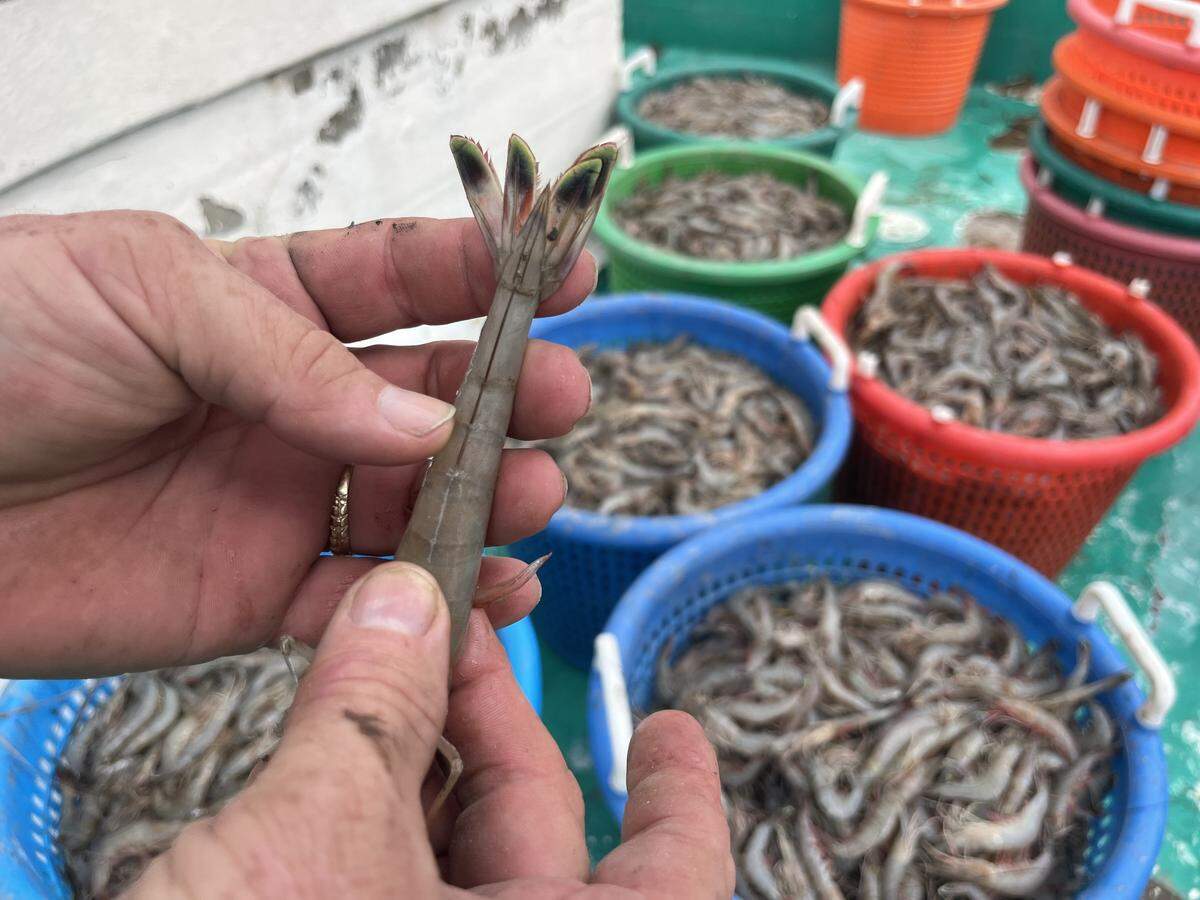
SeaD Consulting has a test that can identify in two hours whether a shrimp species commonly raised on farms across the world is being sold in U.S. restaurants, Williams said. That species, said Williams, does not exist on the Atlantic Coast, he says.
This story was originally published February 24, 2026 at 12:03 PM.