Invasive hornets removed from Beaufort park. It was 80th Lowcountry nest found this year
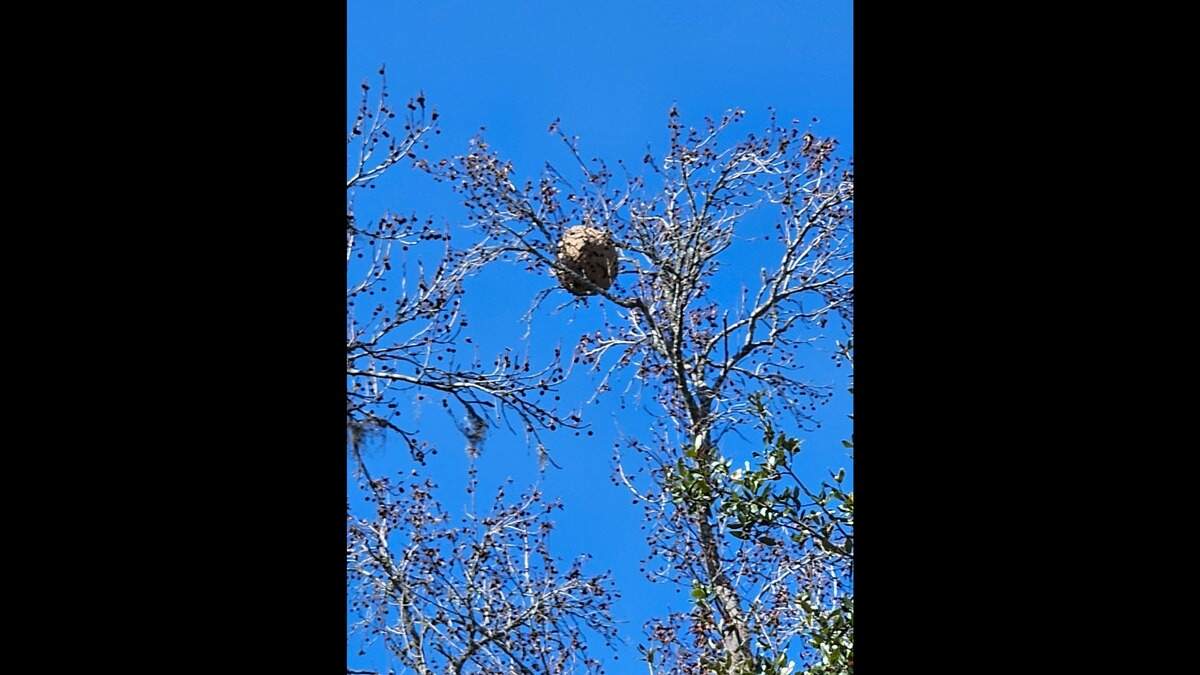
A huge hive of yellow-legged hornets, exotic pests that kill native honeybees, was discovered in a Beaufort park, prompting the city to call in experts Monday to remove it.
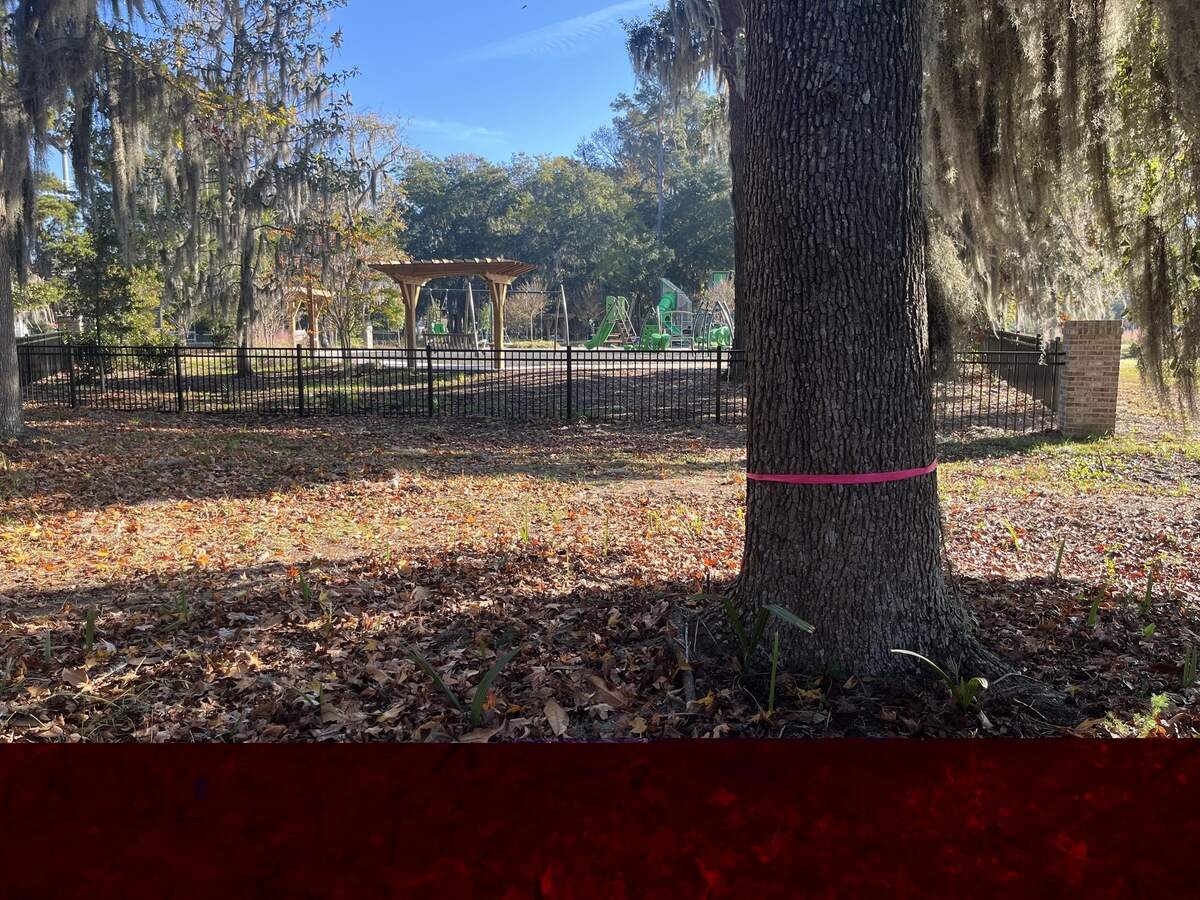
The latest nest of the species, first discovered in the U.S. in 2023, was found a few feet from the playground at Southside Park in the Mossy Oaks neighborhood.
The park was closed Monday afternoon while the nest was removed. It reopened at 7 a.m. Tuesday.
Brad Cavin, South Carolina’s chief apiary inspector, said the nest was in sweetgum tree 60 feet in the air. It was very large, about the size of a yoga ball, and probably had 1,500 to 2,000 bees in it; 6,000 likely used it throughout the year.
A lift was raised so exterminators could reach the nest to plug the entrance. Then the nest was punctured to spray inside and kill the hornets.
.jpeg "737053452682161326_fitted (1).jpeg")
“We’re basically trying to contain any hornets from escaping the nest and locking them inside,” Cavin told the Beaufort Gazette and Island Packet.
Yellow-legged hornet traps also were placed in the area. The traps, which are placed at areas of known yellow-legged hornet activity or near honeybee colonies, are monitored regularly for hornet activity.
Interaction between people and the hornets wasn’t likely because the nest was so high, Cavin said. Yellow-legged hornets aggressively protect their homes like any wasp, but their stings aren’t any more potent than other stinging species, Cavin added.
Cavin strongly encourages residents to use an online reporting tool created by the Department of Plant Industry’s Apiary Inspection Program at Clemson University to report yellow-legged hornet nest sightings. He also asks for the public’s patience. New yellow-legged hornet’s nests are showing up all the time with the Beaufort nest the 80th in the Lowcountry of South Carolina this year.
“It’s crazy the volume of reports we are receiving just for hornets,” Cavin said.
Residents can stay abreast of yellow-legged hornet spottings and responses by reading a monthly blog called the Hornet Herald.
In 2023, the first nest of the invasive yellow-legged hornets in North America was detected in nearby Savannah. By the beginning of 2025, 66 nests had been documented in South Carolina, the majority in Beaufort County.
The voracious predators kill native honeybees, which are critical for pollinating crops. Barefoot Farms on St. Helena Island, for example, hires beekeepers to bring in honey bees to pollinate its crops.
Yellow-legged hornets are known for aggressive “hawking” behavior when defending nests or attacking other bees.
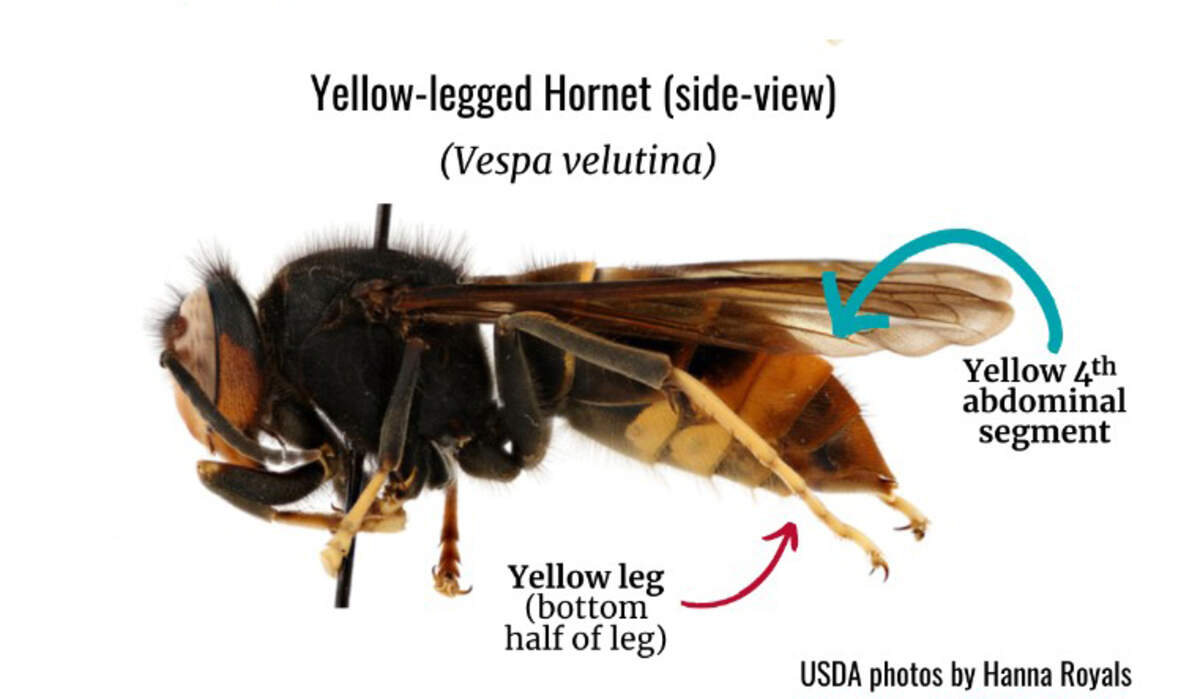
They are distinguished from native wasps by a solid orange face, dark thorax and yellow legs.
They build egg-shaped paper nests above ground, often in trees. In early spring, queens construct small nests ranging in size from a ping-pong ball to a tennis ball in sheltered areas like eaves or porches. Mature nests can grow large and house an average of 6,000 workers.
The hornet species, which originated in Southeast Asia, started spreading through Western Europe in 2004, according to Clemson University. They likely arrived in Savannah via a cargo ship and quickly spread to neighboring South Carolina.
This story was originally published November 24, 2025 at 11:33 AM.