Residents sound alarm over 700 houses planned on 2 Beaufort islands. Is anybody listening?
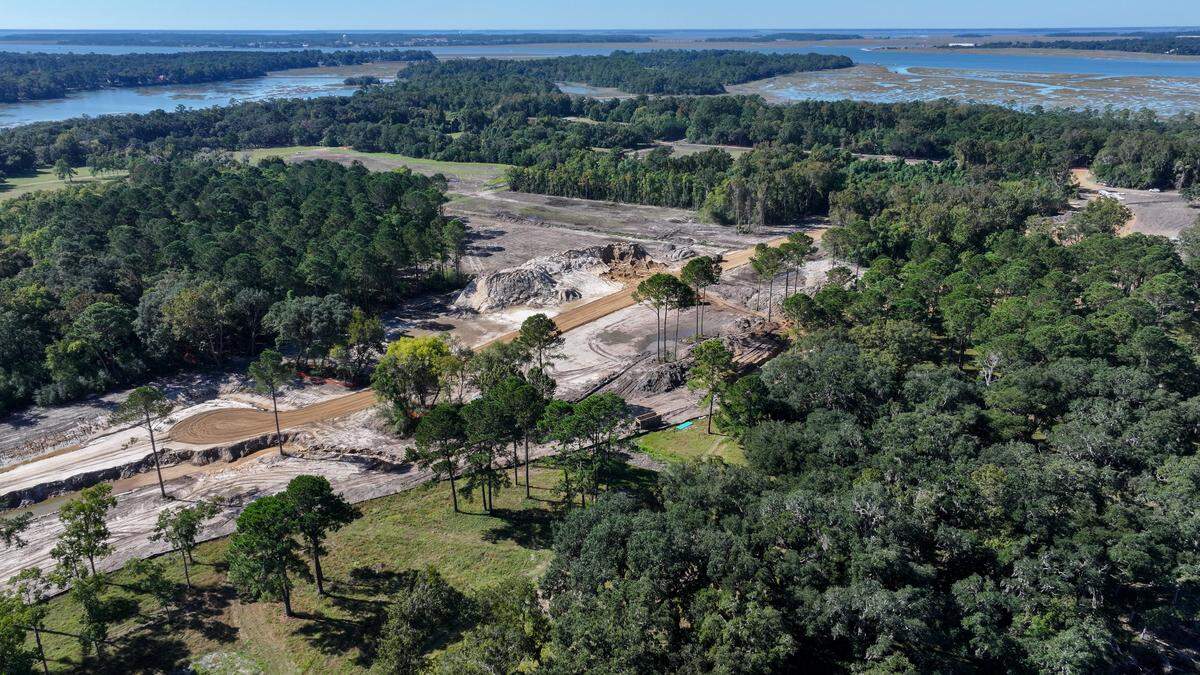
Last year, landowners and developers quietly dusted off 30-year-old development agreements with the city of Beaufort and started executing “planned unit developments” (PUDs) on Upper and Lower Cane islands, two of the last undeveloped barrier islands in the region and maybe the East Coast.
Residents of nearby Cat Island are horrified. But they’ve been told nothing can be done.
The phased legacy PUD projects, which total some 380 acres, could bring up to 700 additional houses, a five-story hotel and more than a mile of hard riprap to the sensitive shoreline of the barrier islands over time. The developments also will bring additional traffic to congested Ladys Island Drive and the narrow Islands Causeway.
Despite the environmental impacts and traffic implications for busy Ladys Island Drive, voices of opponents have largely been silenced at the local level, because public input isn’t required under the 1990s-era PUD agreements. They require only an administrative review by the city of Beaufort.
In a nod to frustrated residents, Beaufort city council members in November passed a resolution against one of the developer’s riprap plans currently under review by state regulators. But, with the PUDs locked in, the council’s powers are limited.
Critics, many of them residents of nearby Cat Island, have turned their focus to state agencies in charge of issuing traffic and shoreline permits. Even if they can’t stop construction, they hope to limit the footprint of the two housing projects.
The combined density of the Upper and Lower Cane islands is much larger than the controversial Pine Island golf course/housing project on St. Helena Island that’s played out for years in the public meeting rooms of Beaufort County and the courts.
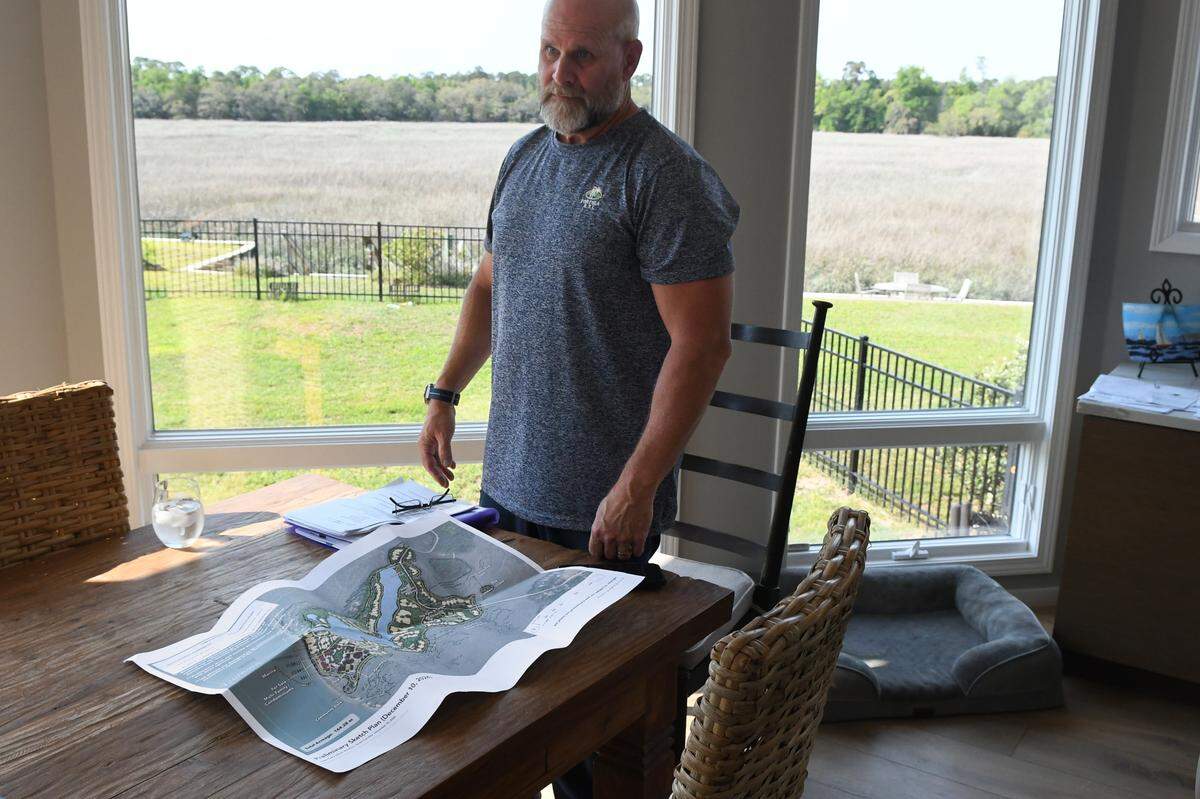
Because of the PUDs, Dennis Ross of Cat Island, one of the residents sounding alarm bells said, “they can just go on unchecked without any concern for current development codes.” To him, the ambitious housing plans for the barrier islands with sensitive coastlines are akin to putting a square peg in a round hole. It’s another example of Lowcountry development outpacing the needed infrastructure to handle it, he said.
“This is probably one of the last unspoiled spots on the Eastern Seaboard,” Ross says, “and it’s up to us to protect it.”
Planned unit developments
Both projects are part of planned unit development and development agreements approved about 30 years ago.
PUDs are a type of zoning that allows for mixed-use and flexible development, often with several housing types, commercial spaces and amenities like parks or pools. Unlike other agreements, PUDs don’t have to adhere to current zoning regulations, so developers have a lot of flexibility.
Curt Freese, who heads Beaufort’s Community Development Department, said he is sympathetic to Cat Island residents’ concerns.
His office approved the first phase of the Upper Cane Island project, known as Kane Island, and the preliminary plat for the second, called Lower Cane. Both projects would be carried out in phases.
But city planners, Freese said, are restricted by what’s spelled out in the PUDs. The agreements require administrative approval only, without a single public hearing before the Planning Commission. The city, he adds, has determined the PUDs are valid, with developers having until 2029 to implement the plans.
“We’re kind of at their mercy,” Freese said.
Where will this happen?
Upper and Lower Cane islands are located less than 5 miles from downtown Beaufort and Port Royal near the confluence of the Beaufort River and Port Royal Sound. They sit just past the busy McTeer Bridge and south of U.S. Highway 21, also known as Ladys Island Drive.
The islands are part of a chain that includes Gibbs and Cat islands accessed via the Islands Causeway, which winds through marsh and forest, past golf courses and a few hundred homes. Upper and Lower Cane are the last to be developed.
“This is some of the most pristine water that South Carolina has to offer,” says Randy Mikals, another Cat Island resident, as he piloted a boat through the glassy waters of Kitten Creek one day in November.
Exclusive houses on ‘Kane Island’ and Lower Cane
The Trask family, prominent local farmers, had a hand in both of the planned unit developments in the 1990s, Charles Adams of Lower Cane Island developer Thrivemore Advisors LLC previously told the Beaufort Gazette and Island Packet.
But the two projects have separate owners and developers today.
Kane Island, on Upper Cane Island, consists of 230 acres at 5 Cane Island Road. The site was once a vegetable farm owned by John Trask Sr. and his wife, Flora. The farm marketed its crops as “fancy vegetables” under the “Kane Island” brand. Many Beaufortonians will remember the daffodil farm the couple started in the 1960s.
Today, current owner Kane Island Development Co. LLC of Alabama has the right to build up to 445 single-family homes. The company has said previously that 220 are planned.
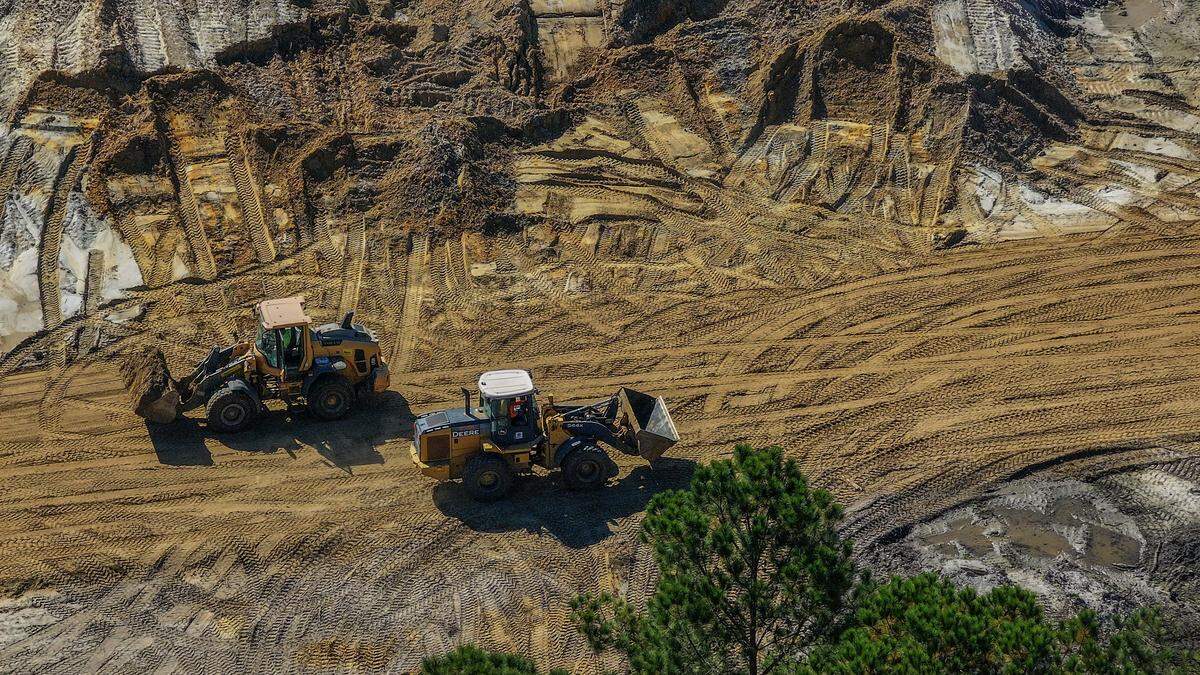
Construction has begun on phase 1, which will include 16 high-end waterfront homes on 126 acres by 2027. Phase 2 would add 214 houses and a 7,000-square-foot restaurant by 2032.
Kane Island Development Co. describes the project as top level with a focus on incorporating the natural beauty of the island and its history into the design.
More than 80 acres will be preserved as open space.
“Our goal is to demonstrate that responsible development and environmental stewardship can work hand in hand,” said Troy Lucas, senior vice president of Kane Island Development Co.
He predicts the place-based approach to the design will serve as an example not only for the Lowcountry, but for coastal communities nationwide.
On the other side of Islands Causeway, a total of 217 houses are planned by 2028 for the Lower Cane project, which is located on Bay Drive and White Horse Drive South.
Phase 2 of Lower Cane would add a 72-room, four-to-five-story hotel, a marina and 150,000-200,000 square feet of retail, including a wine shop, restaurant and an open-air event center. Construction is expected to be done by 2032.
The land is owned by the Trask family, but Thrivemore Advisors LLC is looking to buy and develop it.
Mary Trask and Thrivemore did not return phone calls seeking comment.
Mikals and his wife, Jennifer, are real estate developers who can see Lower Cane from their home on Cat Island across Kitten Creek. They are especially concerned about the prospect of a hotel and event center that could host concerts and other events at Lower Cane Island.
“It’s going to be horrific,” Mikals says.
The couple says they would support the Lower Cane development if it was done in a way that suited the special Lowcountry location, but they consider the resort-style plans more suited to Myrtle Beach than Beaufort.
“Once it’s gone,” Jennifer Mikals says, “you can never get it back.”
Sending a message
Even if the city says its hands are tied, Cat Island residents continue to show up at Beaufort City Council meetings to plead for support.
On Nov. 18, they got some.
Council members voted 5-0 to approve the resolution opposing the erosion controls planned at the Kane Island project. The resolution also encourages the developer and all future projects to consider using natural materials like shells instead of stone. Cat Island residents are hoping the city’s stance sends a message to Columbia.
“It’s time that the state begins to take the context of the area into consideration when they consider erosion control measures,” Ross said.
When discussing the hard riprap and the housing development, residents have made a point to note that dolphins are known to strand feed on the barrier islands. Strand feeding is when dolphins, lined up side-by-side, charge the shoreline, creating a wave that herds tiny fish like mullet onto mudflats or shorelines. The dolphins then hoist themselves onto land — always on their right sides — and feast on the stranded fish, briefly stranding themselves in the process before wiggling back into the water.
Happiness grenade
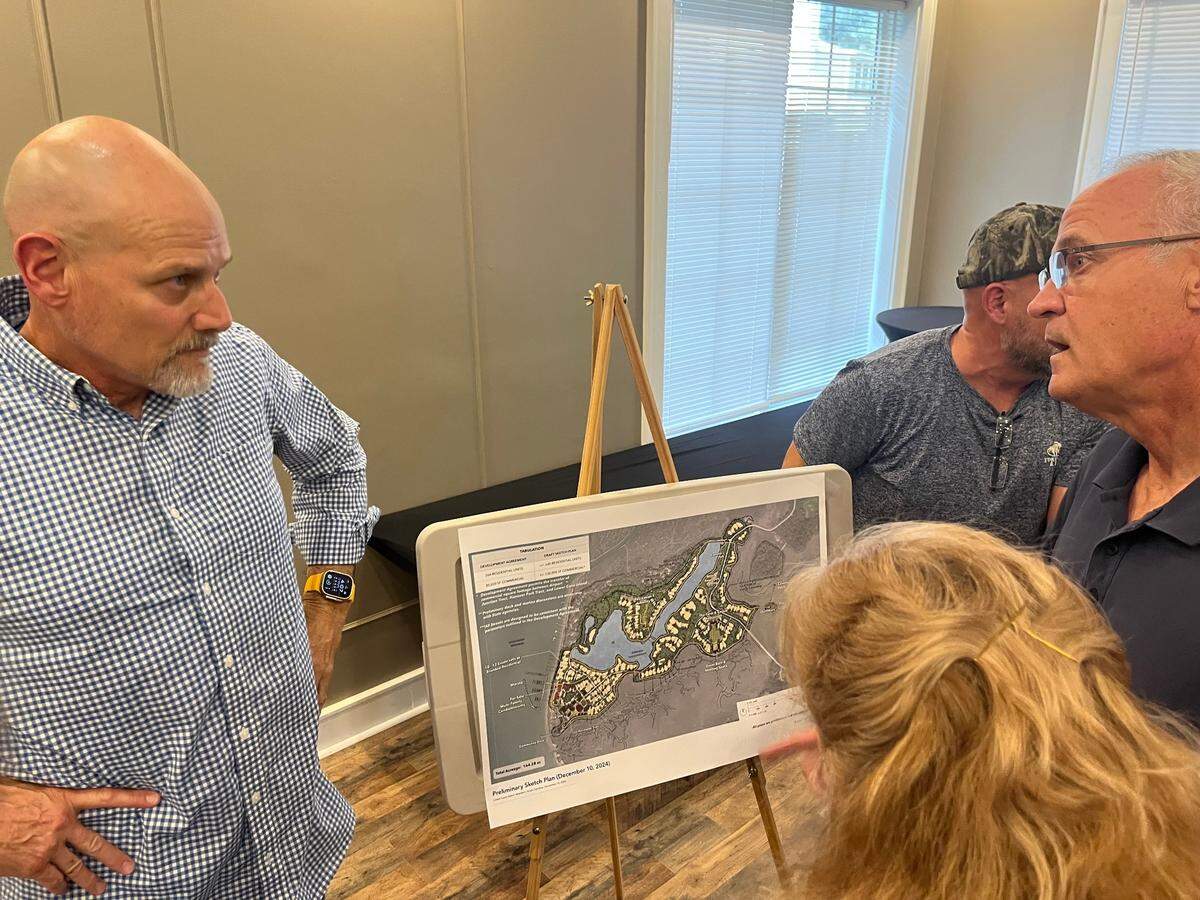
Cat Islands residents have been meeting and filing Freedom of Information Act requests on the Cane Island projects for nearly a year. They’ve contacted everybody from Beaufort Mayor Phil Cromer to Gov. Henry McMaster to Congresswoman Nancy Mace. Many people they contacted, says Ross, were “aghast” when they learned about the projects.
But the answer was always the same: “There’s nothing we can do.”
Ross, a retired Marine and former Air Force and FedEx pilot, considers the Cane Island projects examples of a bigger problem facing the entire state: Too much development being allowed before the proper infrastructure is in place.
He believes it’s time for Beaufort and Beaufort County to enact moratoriums to slow the pace of building.
“When do we start curtailing this development until it becomes another Mount Pleasant, another Myrtle Beach, another Bluffton?” Ross says. “What are we waiting for?
To him, it’s as if developers have dropped a “happiness grenade” on the area.
“They come in here and say, ‘it’s going to be great, your property values are going to go up, and we’re going to have this, and we’re going to have this and all these venues,’” says Ross. “When they’re done, and they wipe their hands, and they go on to their next project, who’s left holding the bag of cleaning up the traffic problems, the stormwater problems, the environmental problems? It’s the current residents.”
This story was originally published January 25, 2026 at 6:00 AM.