Beaufort readies for $16.1M surgery on ailing drainage to address chronic flooding
Pipes buried 15 feet under the narrow roads of coastal Beaufort drain water from neighborhoods to the Beaufort River — or at least they’re supposed to. But the passage of time has caused structural failures and debris buildup in the city’s stormwater system, resulting in flooding, even during king tides and heavy rain.
The city is preparing for major surgery on these aging and clogged stormwater arteries, using $16.1 million in federal funds set aside during the COVID-19 pandemic to finance the procedure.
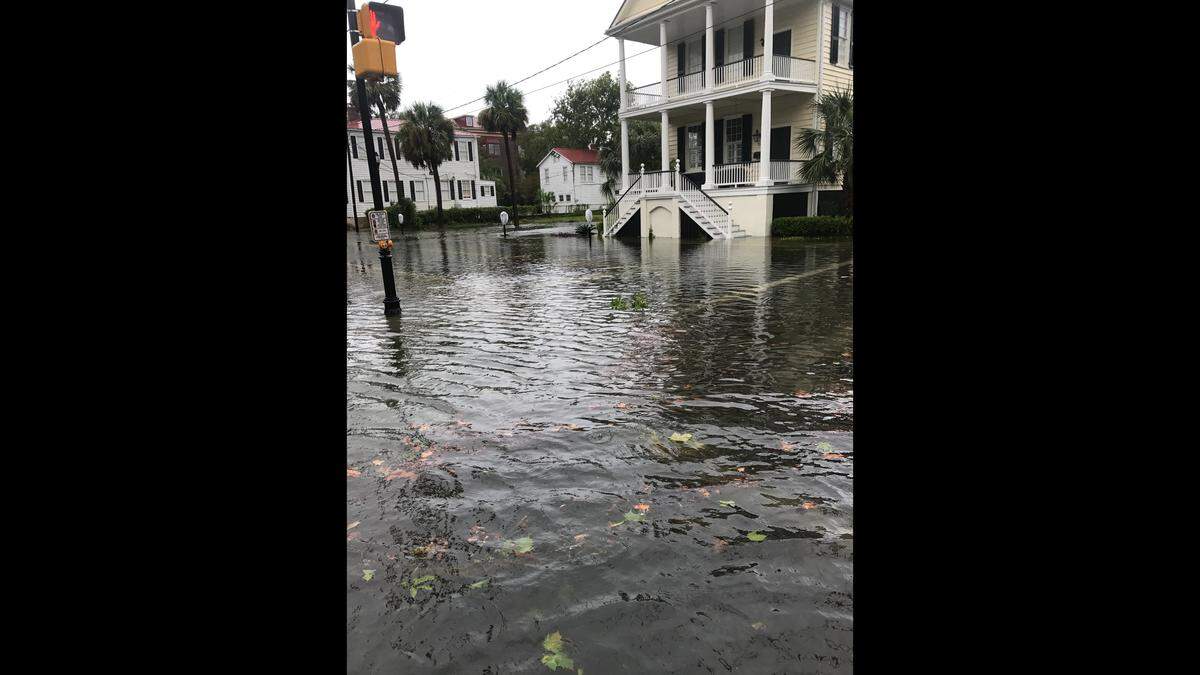
Over the next two weeks, contractors will begin cutting into King and Charles streets to reach underground clay lines, which are 80 years old and 18 inches around, too narrow for today’s growing stormwater output. The two projects, which fall in one of the busiest areas of the city close to its central hub of Bay Street, will span more than ten blocks and take seven months to complete.
Once the pipe work is done, sidewalks will be replaced and roads will be paved.
In the short term, the major construction will result in detours. But downtown Beaufort will remain open for business throughout. City officials say the long-term benefits of improved protection from flooding with be worth the inconvenience.
“With the bigger pipes, the system will be able to hold more water in place in a tide or rain event,” said Raul Dominguez, the city’s capital improvements program director.
Which streets are affected
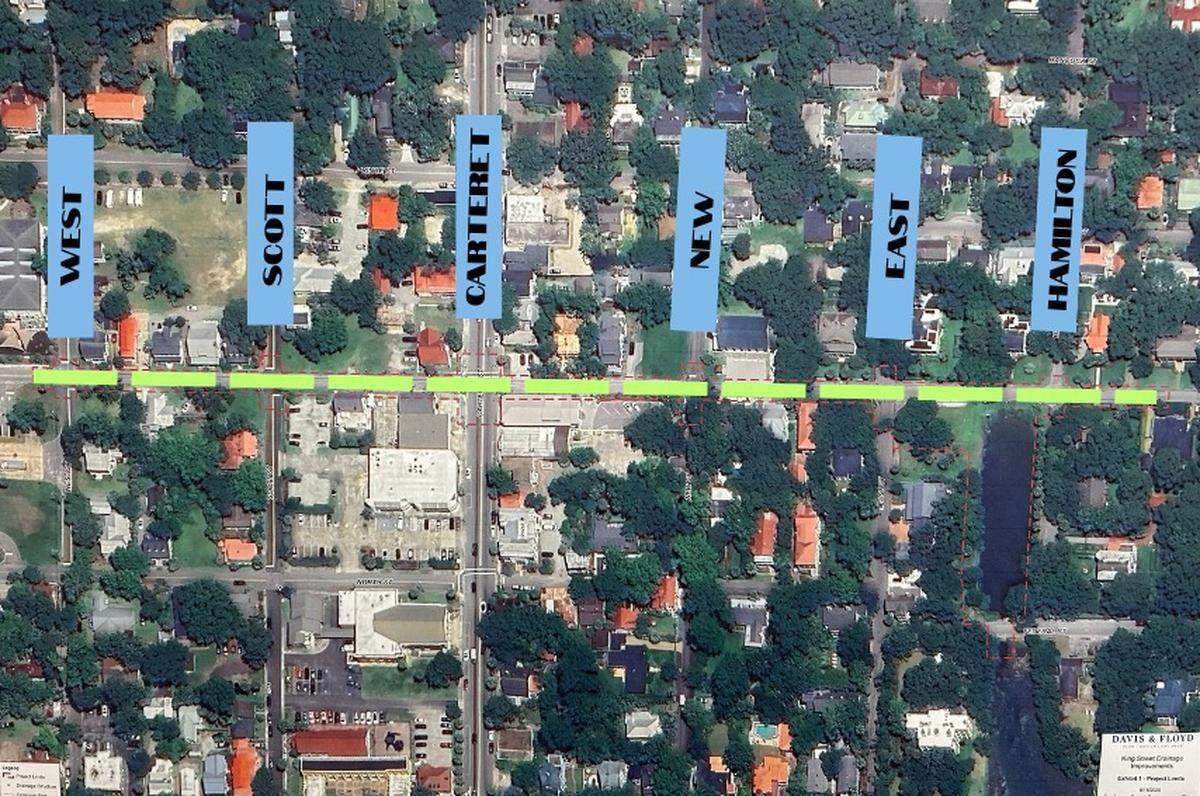
On King Street, new stormwater drains are planned under five blocks from east of Hamilton to West Street. The first phase will start Oct. 20 along Hamilton and East streets.
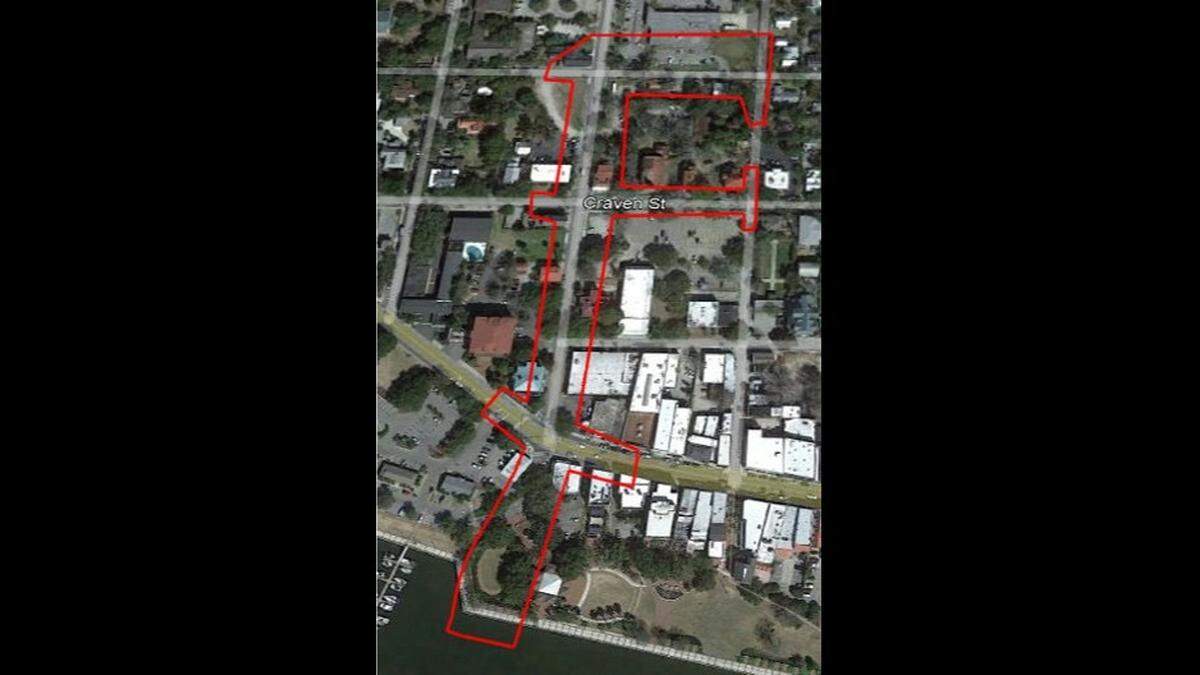
New pipes also will be installed under five blocks along Charles Street, from Bay Street to North Street. The work was scheduled to begin Monday on Charles and Craven streets.
The sickly pipes will be replaced with beefier and bigger 30-inch concrete drains embedded with steel.
Work is part of larger effort
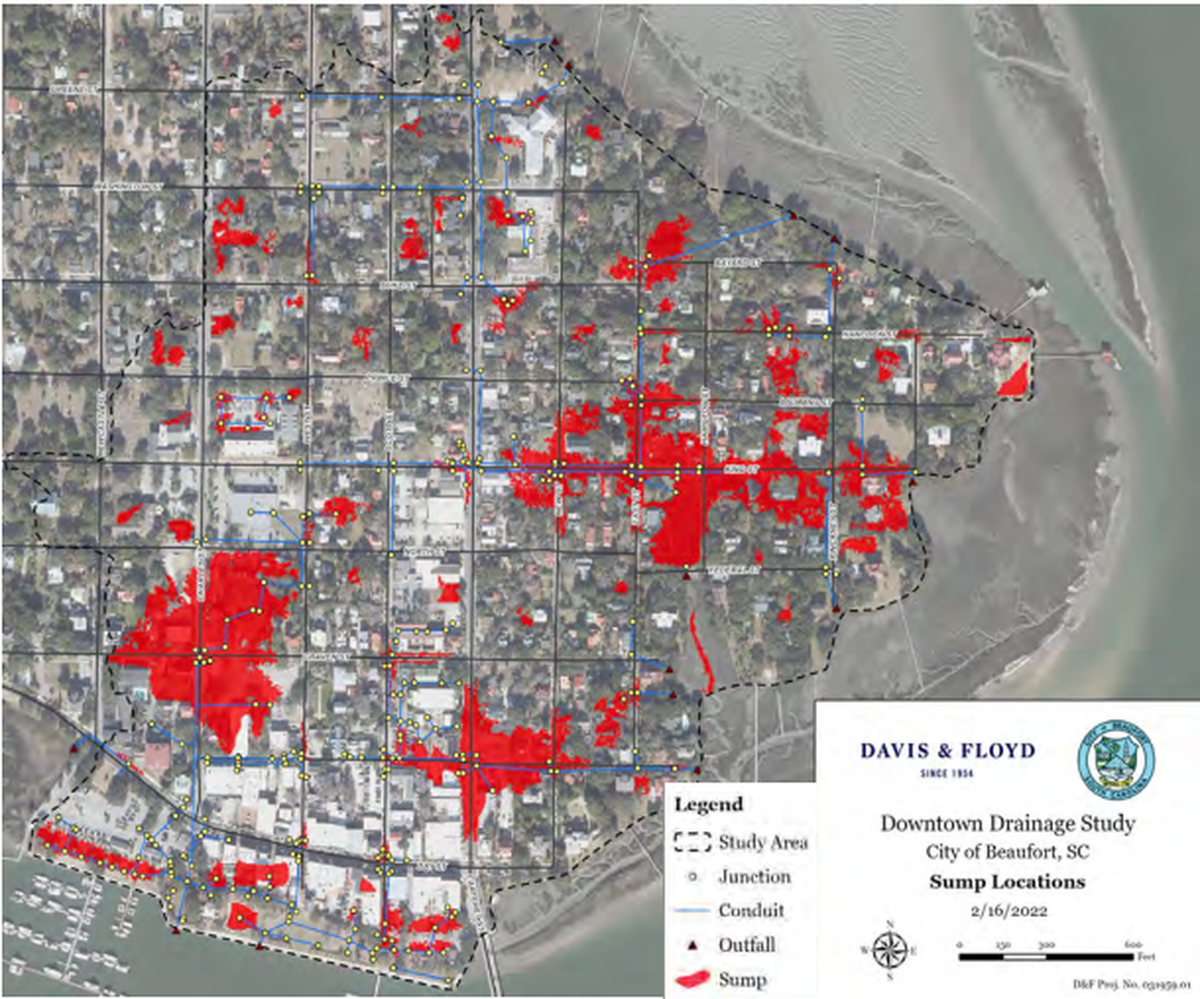
The two projects are part of a sweeping rehabilitation of the ailing storm drainage system across a 200-acre area that includes some of the city’s most notable houses and businesses. The Point, a peninsula with historic homes ranging from cottages to large waterfront mansions surrounded by the Beaufort River, is included, as are adjacent commercial and residential areas, including Bay Street.
During its annual water festival, Beaufort celebrates its Atlantic Ocean location. But it’s a double-edged sword during king tides, rain events and especially hurricanes.
Hurricane Matthew put the area under several feet of water in 2016. It happened again in 2017 with Hurricane Irma. But even king tides and heavy rains can overwhelm the aging system, resulting in flooding of low-lying neighborhoods.
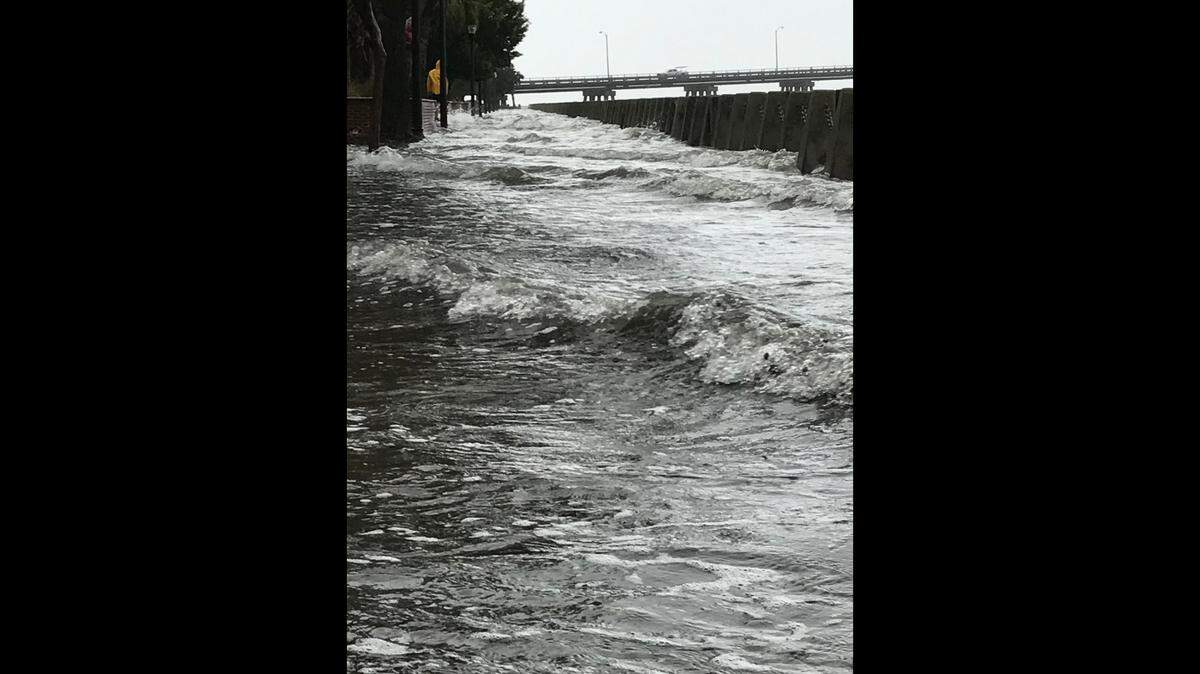
Modeling of the area has revealed major contiguous areas of flooding at the intersections of King and Charles streets, Charles and Craven streets, and Port Republic and Carteret streets. King Street is the worst, covering about five city blocks from Pinckney to Scott streets, according to a 2022 drainage study the city commissioned.
Where the funding comes from
The work comes amid growing concerns over rising sea levels and increases in rainfall depth and intensity, which threaten homes and businesses in the city’s celebrated Historic District.
The drainage study predicted sea level increases ranging from 1.39 feet to 3.62 feet over the next 50 years.
The Charles and King street projects alone will cost $16.1 million. The Charles-Craven Street project will cost $9.7 million and and the King Street work will be about $6.4 million.
American Rescue Plan Act money is paying for the projects. The federal law was passed in 2021 to provide economic relief and recovery from the COVID-19 pandemic. Municipalities were given wide latitude in how the money could be spent, from public health initiatives to addressing negative economic impacts to infrastructure improvements.
Steps to minimize the public’s pain as a result of the ongoing street are planned, Dominguez said.
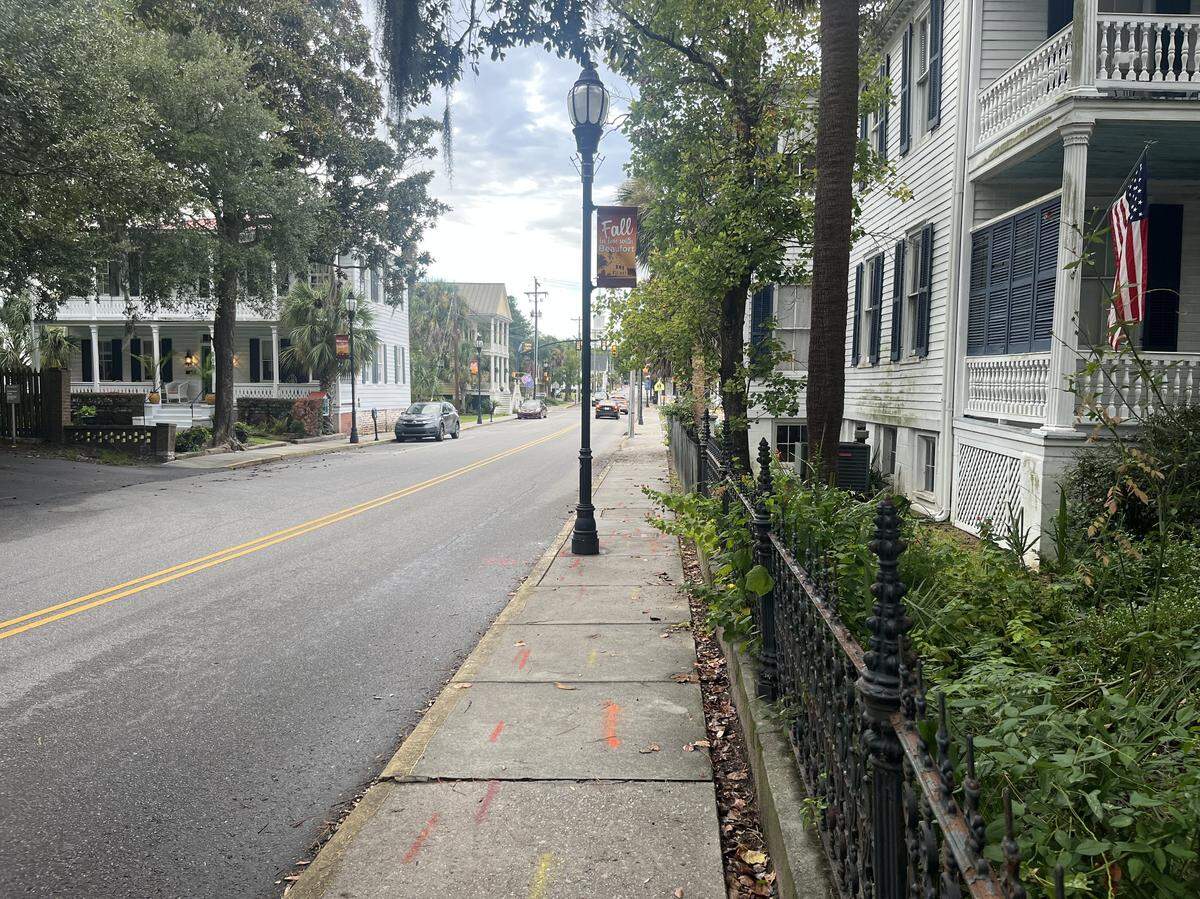
For example, instead of closing entire blocks at a time to pull out the old pipe and install the new, the operation will proceed in 60-foot increments. Proceeding at this pace also is necessary, Dominguez said, because the work will happen in tight quarters.
“Because of the age and current infrastructure and the tightness of the road, it makes it more tedious work,” Dominguez said.
The new stormwater conduits, city officials say, are crucial in not only preventing chronic flooding but also in reducing polluted runoff from reaching the river and marsh.
“Overall, the great part of this is we are revitalizing the infrastructure in the city and moving that infrastructure forward with better-grade material, more modernized material that will take us another 75 to 100 years,” Dominguez said.