Beaufort: Park safe as Water Festival kicks off. Long-term prognosis uncertain
Here’s the good news: Waterfront Park is safe as the Water Festival kicks off Friday, with the city giving the legendary bash on the Beaufort River the green light to proceed after structural issues surfaced underneath the promenade in late June.
Long-term, the future of the equally legendary park, a green oasis on the riverfront that helped revitalize the downtown when it was constructed nearly 50 years ago, remains uncertain. The city continues to investigate the underground and underwater support systems of the park and hopes to have some answers by the end of the summer.
In the short-term, it’s full steam ahead with the Water Festival and its nightly live music on the riverfront and the wacky traditions like the bed races down a city street. Fireworks and sporting events and dozens of other events are part of the party as well. The 10-day run typically attracts 70,000 people, although this year festival organizers have been asked to reduce ticket sales by 10%
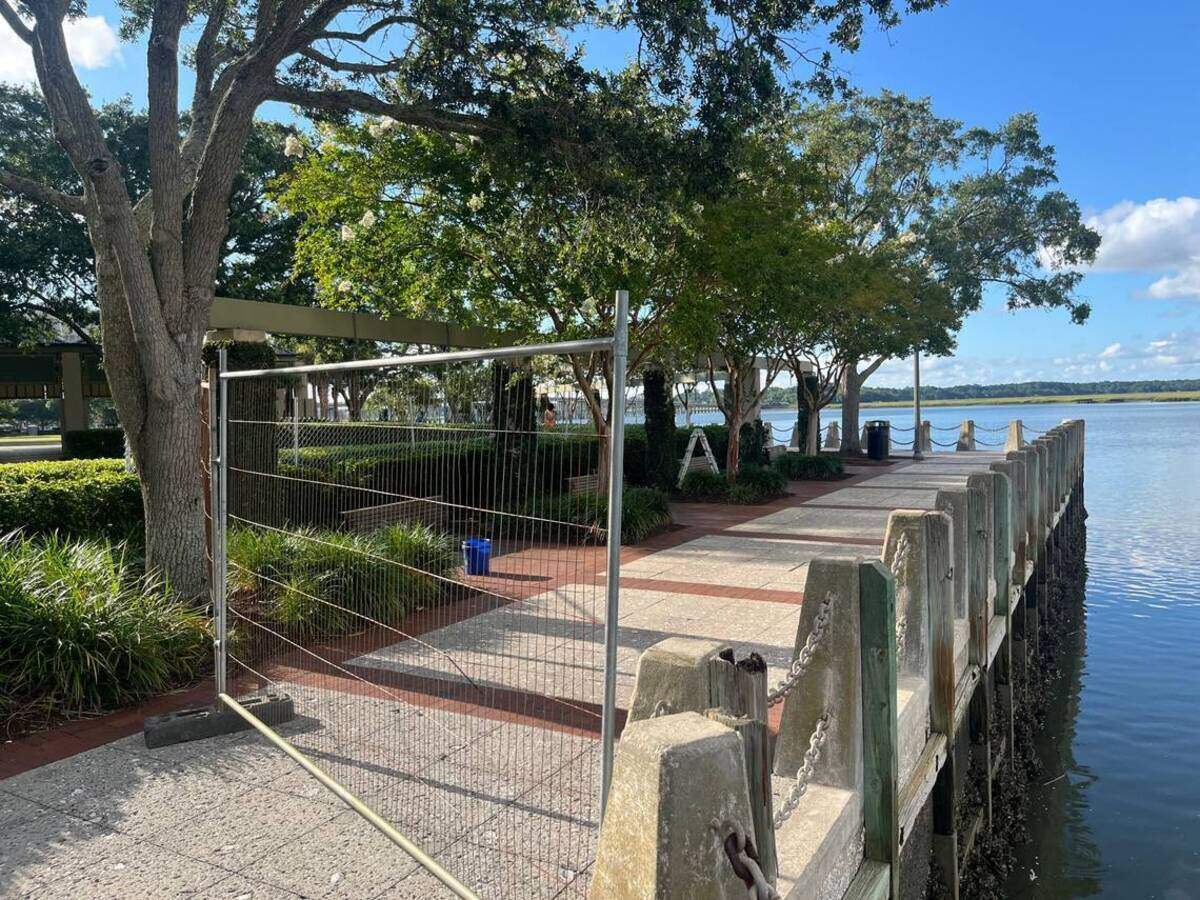
The structural problems were identified under the promenade, not the inland areas of the park. That key distinction is why city says it’s safe to hold the Water Festival in the park as usual with some modifications including the closure of the promenade where an 8-foot-tall fence was erected June 30 to block public access.
On the eve of the city’s celebration of coastal life, which began in 1956, here’s five things to know about the status of the promenade and Waterfront Park:
1. Is Waterfront Park safe?
The city says yes.
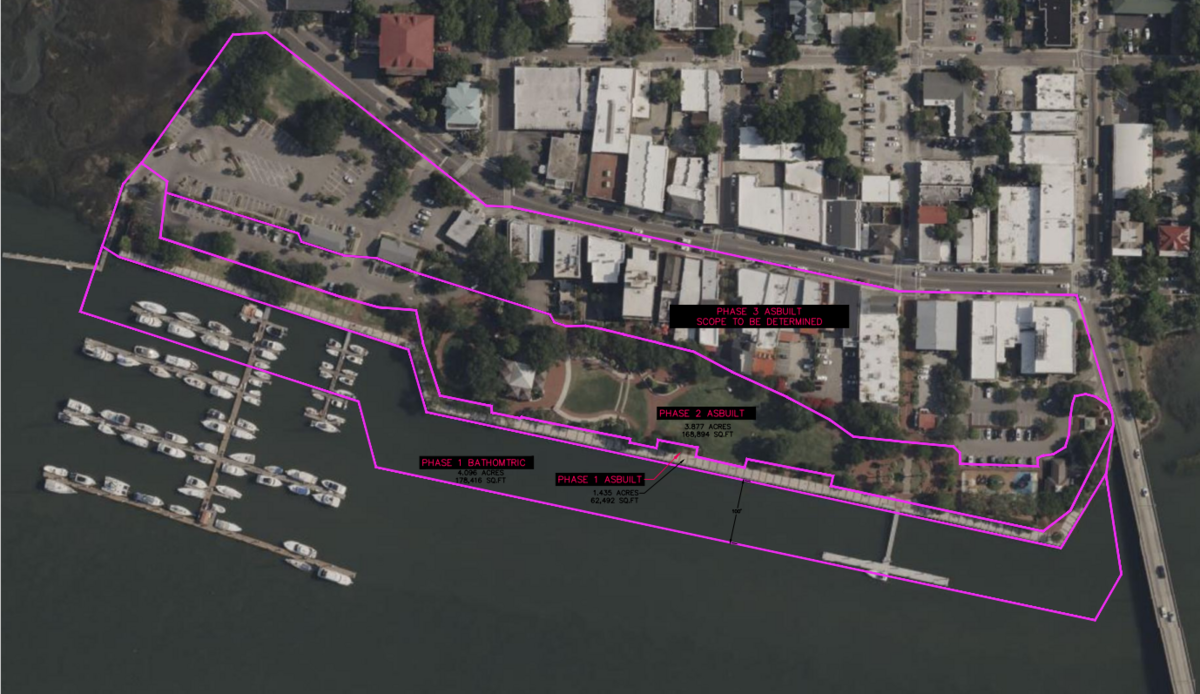
In an emergency action to protect public safety, the city closed public access to the 35-foot-wide promenade on the park’s southern edge Monday, June 30 after receiving a report over the previous weekend from civil and structural engineering firms. The report found that the walking path’s supporting structures — concrete pilings underneath the promenade — are failing and can no longer safely carry pedestrian loads without risks of additional failure.
But a follow-up review of the promenade report with structural engineers McSweeney Engineers and JMT certified “that there are no structural dangers or risks to the public in any other areas of Henry C. Chambers Waterfront Park that remain open.”
“Water Festival events can safely proceed in the park’s open areas as planned,” the city reported.
2. How can the park be safe if the promenade isn’t?
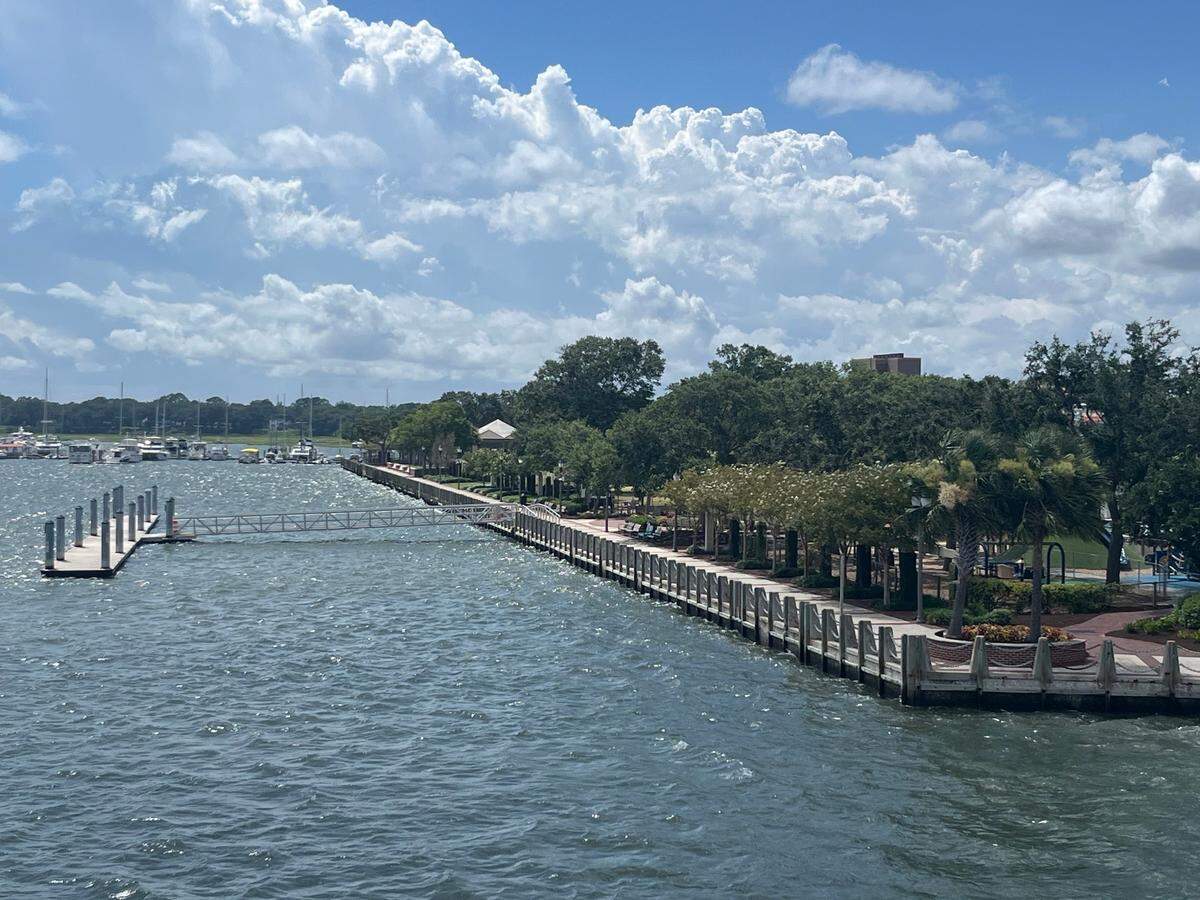
The brick promenade situated on the edge of the Beaufort River is the showpiece of the 7-acre Waterfront Park, which was named after former Mayor Henry C. Chambers, who championed its construction. It opened in 1979.
But the city points out that the promenade section along the waterfront is separate from the inland areas of the park, which has open green spaces, playground areas and pavilions.
The inland areas of the park, the city says, are constructed on backfilled land with no structural concerns, as opposed to the promenade on the river’s edge, which is supported by reinforced concrete piles driven into the riverbed.
3. What’s the specific problem with the promenade?
The problem actually involves what’s underneath the promenade, known as a “relieving platform.” That’s a concrete-supported structure built underneath the waterfront to support the brick promenade and walkway closest to the water’s edge. According to the city, the relieving platform acts like a bridge deck along the waterfront.
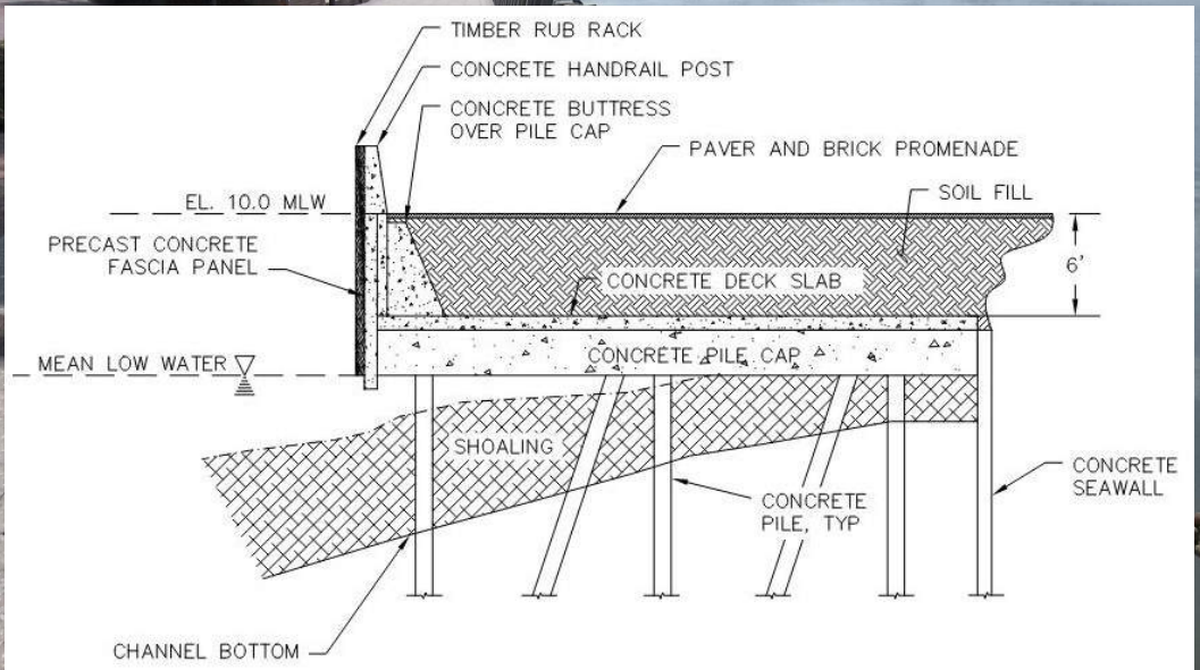
The structural report found:
▪ The concrete piles supporting the relieving platform are deteriorating due to nearly 50 years of exposure to marine conditions.
▪ Some piles are overstressed or broken, meaning the structure can no longer safely carry pedestrian loads without risk of further failure.
▪ The platform itself remains intact, but the supporting piles — long columns of reinforced concrete driven into the ground to support it — are are failing, making closure necessary to ensure no risk to the public.
4. Is there a danger of collapse?
While the relieving platform itself remains intact, the poor condition of the support structures means it cannot safely carry pedestrian loads, so closure was necessary to eliminate any risk of failure, the city says.
5. What’s the solution, cost?
The structural report the city received on the relieving platform is just the first phase of a larger engineering assessment the city launched in 2024 of the structural integrity of the entire park. The city hired McSweeney to conduct the investigation following a regular five-year structural inspection. The regular inspections of the pilings have shown that deterioration, brought on by the marine environment, has accelerated in recent years.
The city is expecting a final report from McSweeney by late summer.
Meanwhile, the city has appointed a Waterfront Advisory Committee to get input from the public and make recommendations.
The city has said it won’t be able to say what the cost is until the final report is done and it’s determined what the solution is but it’s expected to run into the millions. The first phase of McSweeney’s report studying the relieving platform cost $255,000.
This story was originally published July 9, 2025 at 1:34 PM.