City’s top historic preservation voice exits with warning: ‘Keep Beaufort Beaufort’
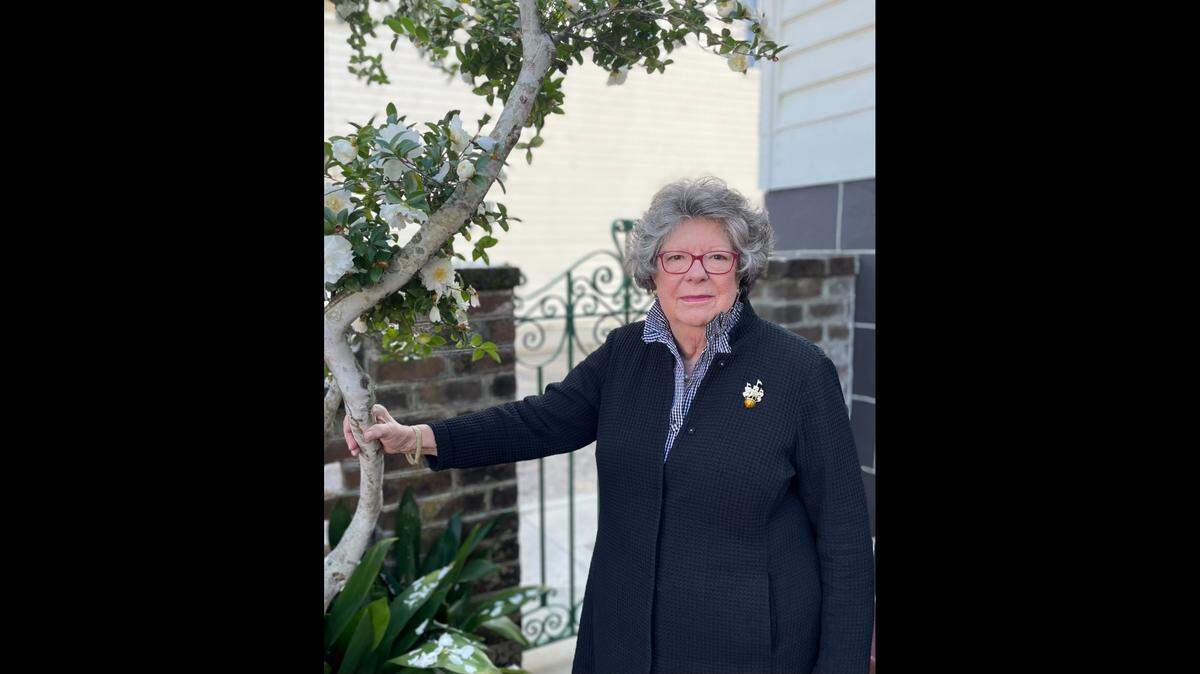
After nearly 15 years, Cynthia Jenkins is stepping down as executive director of the Historic Beaufort Foundation, a leading preservation voice that’s been fighting to save the city’s historic buildings for more than 80 years.
Jenkins led the HBF at a time when scrapes between preservationists and the city and developers over a proposed hotel, parking garage and apartments in the city’s historic downtown were escalating beginning in 2021.
Jenkins, 73, informed members of her June 7 retirement in an email sent Thursday evening that included a final word of caution: “Keep Beaufort Beaufort,” it said, a reference to her position that large new buildings are out of character with the city’s fabled historic district.
There was no immediate word on Jenkins’ replacement, which will be highly anticipated. The politically powerful preservation group is a major voice in development-versus-preservation debates that are common in South Carolina’s second oldest city where a 304-acre National Historic Landmark District is dotted with antebellum-era history and architecture.
‘Extremely disappointed’ with rulings
Jenkins and HBF had some wins and losses during her 14-year tenure.
Her final few years were marked by unsuccessful legal action to block the hotel, parking garage and apartments from the historic district. The courts ultimately sided with the city and developer 303 Associates, ruling the projects were legally approved.
Looking back, Jenkins says she’s “extremely disappointed” in the court system for ruling against the group’s position. Even so, she believes the legal work placed a spotlight on problems in the city’s zoning rules “that desperately need changing” and also the planning department leadership that was overseeing development at the time.
The group also fought tooth and nail when the city proposed removing a seat on the Historic District Review Board that had been reserved for a representative recommended by the HBF. The dispute came to head in 2023 when the City Council voted 3-2 to strip the dedicated HBF seat. Immediately following that meeting, Jenkins and former Mayor Stephen Murray had a well-publicized exchange while they were waiting at a traffic light on Lady’s Island that seemed to highlight the tension. What was said is in dispute. Jenkins alleged Murray pulled up beside her and mocked her about the outcome of the meeting. Murray said their exchange was cordial and later asked Jenkins to publicly set the record straight. Three days later, on Sept. 15, Murray announced his immediate resignation citing the city’s increasingly uncivil political environment.
‘Dogged determination’
As she departs the front lines of the historic preservation battles, Jenkins says the city is better off thanks to HBF’s work.
“I think Beaufort is in a good place for protecting itself and understanding its future,” Jenkins said. “Its future is growth. It always has been. But it’s reasonable growth that respects the historic district and the nature of the community.”
HBF Chairman Rob Montgomery said Jenkins “brought an amazing level of knowledge and expertise, and a dogged determination, to help us continue our work to preserve and protect Beaufort’s history and architecture.”
Her critics include Mike Sutton, chairman of the city’s Historic District Review Board, which reviews building plans in the historic district. Sutton considered the HBF leader a “preservation purist” who “didn’t look at what preservation is in a working city.”
“We’re at odds over how to balance infill with preservation,” said Sutton, adding he nonetheless respected Jenkin’s service in the important role.
For her part, Jenkins says maintaining Beaufort’s historic character and the workmanship of its historic buildings requires commitment. Developers, she adds, “always want more. It’s the nature of what they do.”
“When you start to randomly allow alternations and changes that don’t fit the neighborhood it’s going to change the feeling of the place,” Jenkins says.
Two stints, 14 years
HBF’s formation dates to 1944 when residents rallied to save the 1804 Lafayette building on Bay Street from demolition but the group formally incorporated in 1965. Today, the Lafayette building, now called the John Mark Verdier House, is a museum run by HBF.
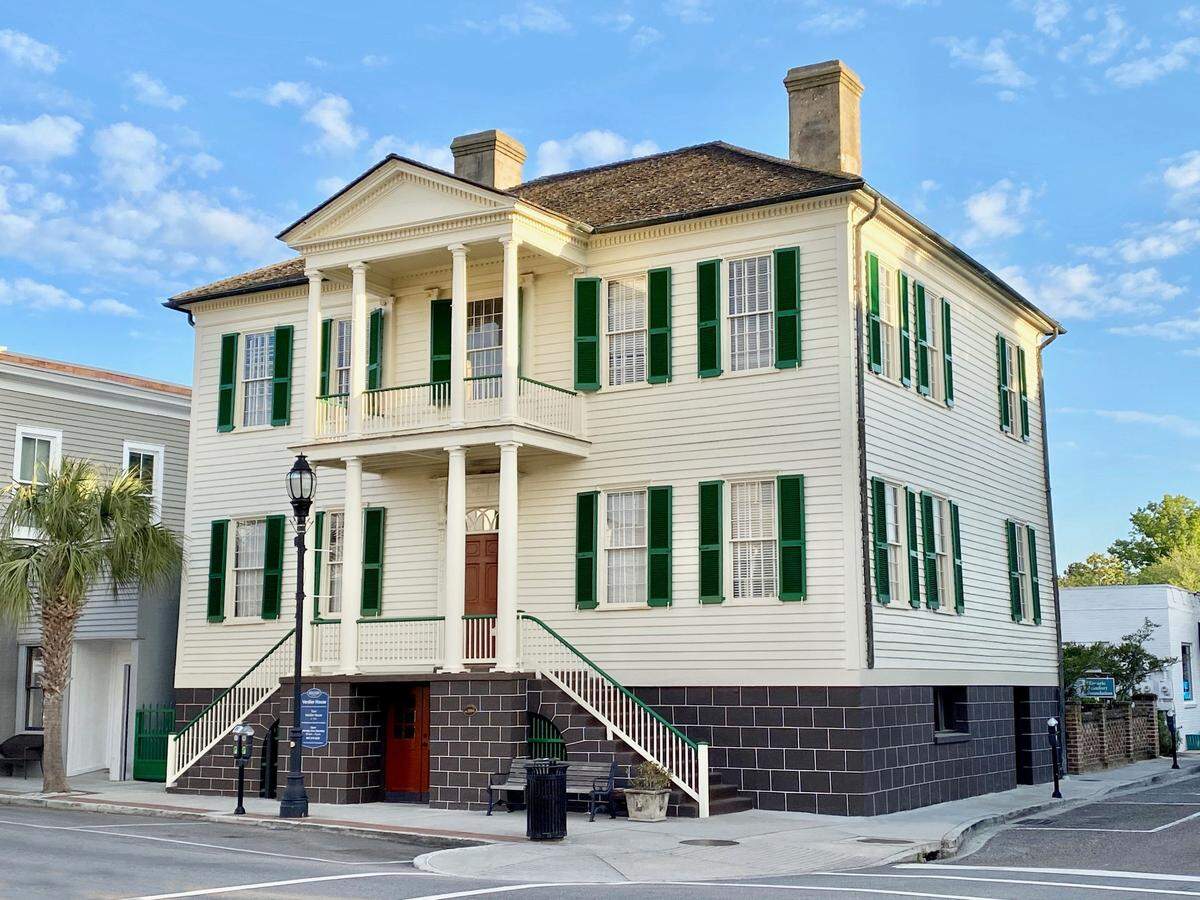
Jenkins counts the exterior renovation of the John Mark Verdier House as one of her major accomplishments. The 1804 estate on Bay Street represents an accurate portrait of how Beaufort’s wealthiest citizens lived during the height of the pre-Civil War period.
Jenkins had two stints running the organization, first from 1987 to 1995 before returning to the role in 2019. She is credited with working with the city in developing The Beaufort Preservation Manual, which HBF says is recognized nationally for its preservation design guidance for property owners and regulators.
Family history
Historic preservation and longevity are in the blood of the Nashville, Tenn.-area native whose family moved to South Carolina in 1965. A great grandfather lived to be 102 and a great grandmother, 88.
“So I was around older houses,” Jenkins said. “My great grandfather was born in 1871 and remembered Reconstruction in Tennessee. My grandparents talked a lot about history a lot. My parents talked about history. So I was just always around it.”
Jenkins made history at Middle Tennessee State University when she became the first person in the country to earn an undergraduate degree in historic preservation. In the right place at the right time, Jenkins was studying business and history when the university created the country’s first undergraduate preservation program. With one year left before graduating, Jenkins’ parents gave her permission to switch majors and she joined two others in the fledgling program. “One got pregnant and one got married and here I am,” Jenkins said.
Lowcountry career
Her career in the field began in 1974 at Lowcountry Council of Governments serving Beaufort, Colleton, Hampton and Jasper counties, with one of her projects researching and writing “Historic Resources of the Lowcountry: A Regional Survey,” a history of the region.
“She has exceptional knowledge of the Lowcountry’s architectural history and the family stories that tie together the physical fabric of the National Historic Landmark District,” said Montgomery, the HBF chairman.
The former adjunct professor at Clemson University’s historic preservation graduate program in Charleston received the 2021 Governor’s Award for Excellence in Preservation, the state’s highest honor, for her efforts to preserve the architectural and cultural history of the Lowcountry.
Hollywood connection
Other accomplishments include resolving an easement dispute at the McKee-Smalls House in the city’s historic Point Neighborhood where Civil War hero Robert Smalls once lived. An easement held by HBF required that the house remain a private residence. That question arose in 2021 when former Mayor Billy Keyserling and his brother Paul purchased it and later sold it to the National Trust for Historic Preservation with the stated goal of increasing public access and education about the property and the role of Black residents in Reconstruction.
“I think it’s worked out for the best,” Jenkins said. “Quite honestly, it was heart wrenching to me to be on the other side of the National Trust.”
One of her most recognized early projects was the preservation of Auldbrass Plantation in Yemassee, which is now owned by Hollywood producer Joel Silver. The plantation was designed by architect Frank Lloyd Wright in 1939 after C. Leigh Stevens, an industrialist from Michigan, wanted him to build a modern plantation in Yemassee.
“I think everybody knew I wasn’t going to stay forever,” Jenkins said Friday morning about her retirement from the job. “It’s a good time for me (to go).”
This story was originally published June 2, 2025 at 10:05 AM.