As construction booms, Beaufort beefs up development oversight and public input
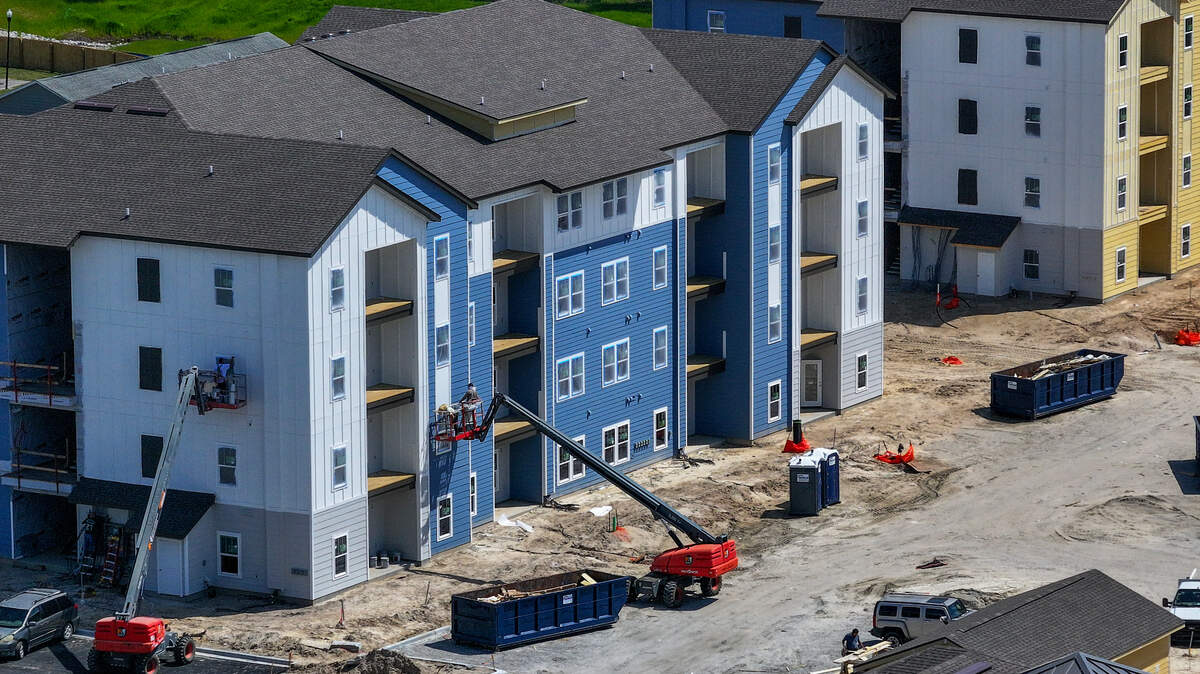
As housing and commercial construction booms across Beaufort, the city is making sweeping revisions to its development rules that will beef up oversight of major projects and public input.
On Tuesday, the City Council voted 5-0 to approve major revisions to two key chapters of the Beaufort Development Code that guide the Planning Commission in regulating housing subdivisions and commercial projects.
Among the changes:
- The closing of an unusual public notice loophole that allows developers to build major projects like apartment complexes without the city holding a public hearing or notifying surrounding property owners.
- The addition of a requirement that developers give the Planning Commission better sketches of their projects and earlier in the process.
- The beefing up of green space requirements and analysis of traffic impacts for development projects before getting the city’s green light.
The code changes, if given final approval next month, will be implemented at a time of record-breaking housing growth that’s sparked complaints from residents about about traffic aggravations, clearcutting of trees and multi-story apartment projects that seem to appear out of thin air.
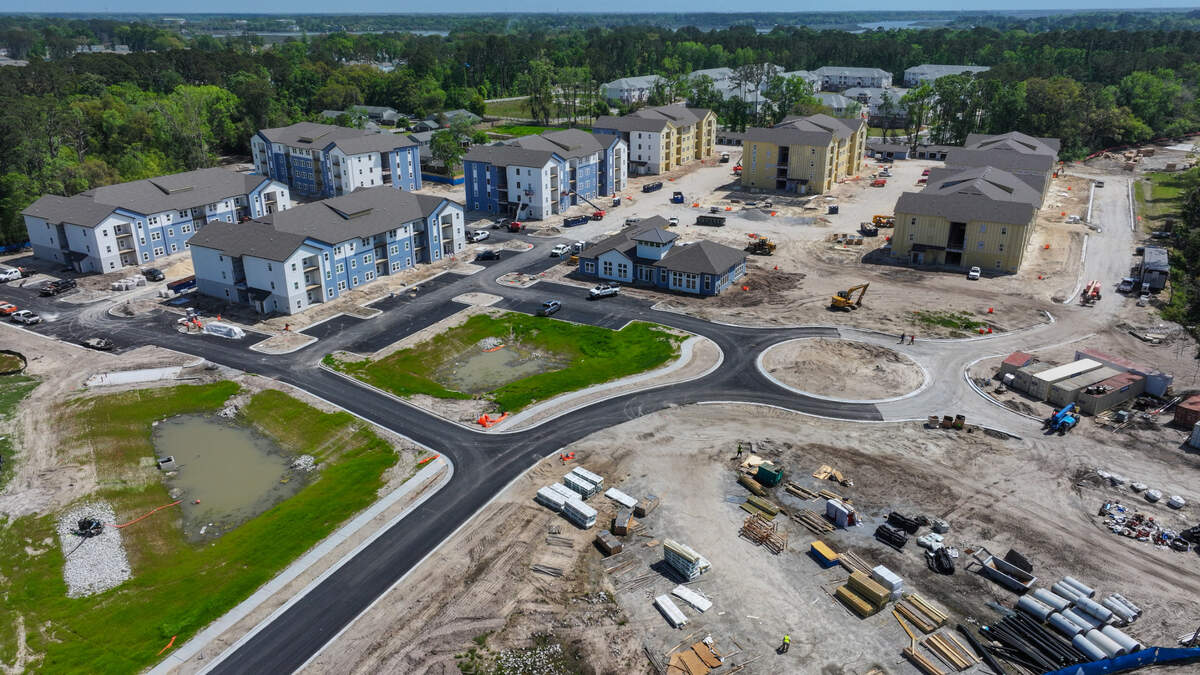
The city floated the idea of implementing a development moratorium earlier this year in response to the rapid growth but that idea gained little traction. But for the past eight months, Planning Commission members already had been painstakingly pouring over over every line of the development/subdivisions and public notice/approval chapters of the Beaufort Development Code. Their recommendations will give city planners and developers clearer standards that should reduce delays, ensure residents have their say and improve projects, says Curt Freese, the city’s Community Development Director.
Here’s seven highlights of the code changes:
1. More transparency
In the future, a public hearing will be required for most major land use actions to ensure the approval process is transparent, Freese said. Property owners who live near those projects will be notified of the public hearing as well.
As it stands now, sketch and site plans —a sketch plan is a “napkin level” sketch of a major development while a site plan covers a single lot within a larger sketch plan — are reviewed at Planning Commission meetings where public comment is taken. However, a public hearing is not required — and there’s an important distinction. When a public hearing is required, the city must also reach out to property owners in the vicinity of a specific project to notify them of the hearing. Right now, the city advertises those meetings on signs posted on the affected property and its website, but doesn’t send letters.
“That’s not typical, as you can imagine, around the country,” Freese told City Council members Tuesday.
Under the current process, large projects, including apartments, sometimes surprise neighboring residents, Freese told the Beaufort Gazette and Island Packet in an interview. “You’re like, what the heck happened? I didn’t get any notice. There’s a feeling the public really hasn’t been a part of it.”
When neighbors are unaware a project is in the works, Freese says, “That’s a real problem.”
The lack of public notice comes as housing construction is brisk across the city. The 885 dwelling units the city permitted in 2024, including single-family houses, townhouses and apartments, was the most ever, Freese said.
Freese suspects the current public notice requirements or lack thereof date to 2017 when the city adopted the Beaufort Development Code. The design and architectural standards in that “form-based” code, an urban planning concept, emphasizes the physical form and location of buildings and walking and public spaces. Freese, who was hired in 2022, says less rigorous public notice requirements may have been included because the new code carries stricter architectural standards.
2. More traffic study
Another major change is requiring a more study of traffic impacts of development. A larger area than just the specific project must be studied under the revised rules. Also, the impact of both existing and the proposed development will be analyzed. That revision will address concerns of residents that the city and developers are not taking the larger picture into account when considering the traffic impacts.
3. More open space
Open and green space requirements will be added to areas in the city that are governed by the Beaufort Development Code. Right now, there’s a lack of open space requirements in many areas, Freese said. That’s because the form-based code the city adopted in 2017 emphasizes an urban look and higher density, but Freese says the lack of open space requirements was mistake. “There’s a natural environment here that people appreciate more than anything,” he says.
4. Pictures help
From now on, developers must submit better sketch plans, and earlier in the process, for conceptual plans and preliminary plats. Right now sketches are bare minimum, Freese says. “It’s difficult to make a decision on development without good information,” Freese says. The improvements will provide predictability to the process and requires a commitment to a design, he says.
5. Design standards and subdivision restrictions
Better site plan standards — like landscaping and elevation details and the like — for multi-family and commercial plans will also be required in the future, Freese said. While Planning Commission members often ask developers for improvements in design details, developers often reply, “It’s not in the code,” Freese said. The controversy last year over the details of the Aldi Store at Beaufort Station, the large shopping center at Parris Island Gateway and Robert Smalls Parkway, was an example of why better standards are necessary, Freese said. The changes will make clear to everybody what is required, Freese said.
“What we attempted to do with this code is create predictive standards that are very comprehensive,” Freese said.
6. Minor subdivisions restricted
Also, the city is restricting minor subdivisions to 6 lots or less. Currently, the standard is 10 lots or less. The number is significant because a minor subdivision can be approved by staff, without a public hearing, even though minor subdivisions have been controversial in some neighborhoods, Freese noted.
7. What’s next
The Planning Commission continues to work on additional recommendations for other chapters in the code that will be presented to the City Council in the coming months. One of the significant changes will address tree canopy including the possibility of banning the clearcutting of trees, Freese said.
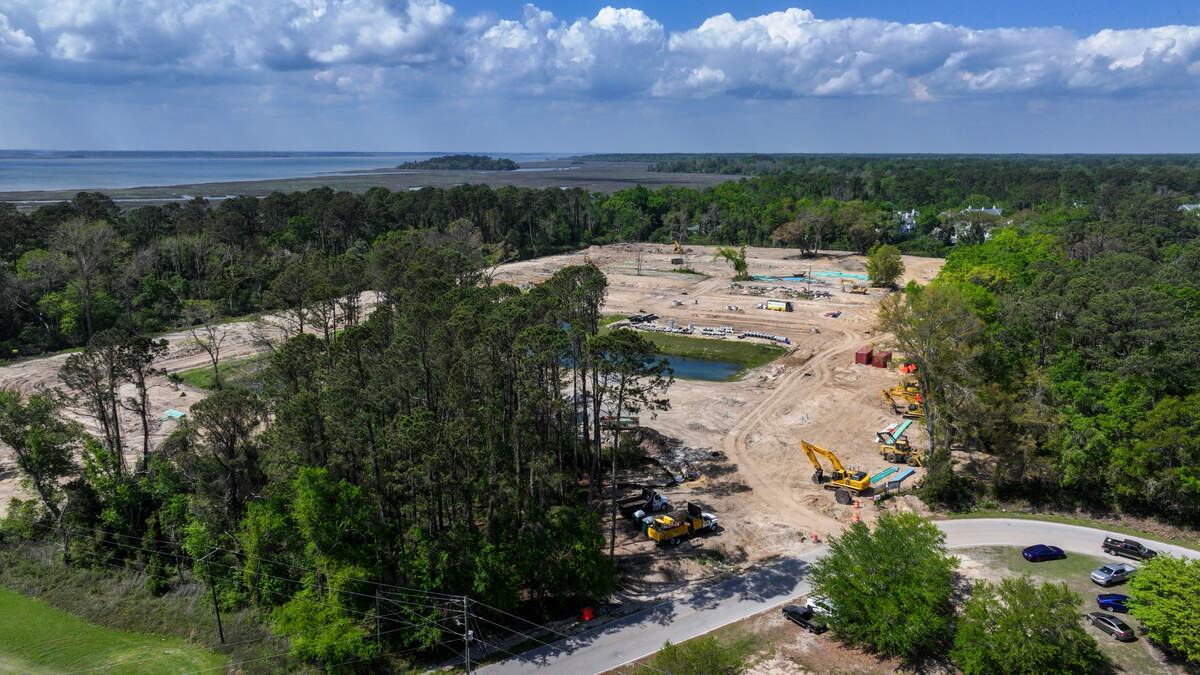
The process of amending just the two chapters was exhaustive, totaling around 40 hours and including 120 pages of code edits that were a testament to the work of Planning Commission members, residents, developers and city staff, Freese said. Many of the edits were typos and various errors but also included the major changes in the two chapters that are the foundation of the city’s review of major subdivisions. Literally every sentence was reviewed, sometimes twice, Freese told council members, adding, “I’m not kidding.” The process took took longer than usual, Freese said, “But I think we have a better product.”
This story was originally published May 14, 2025 at 10:47 AM.