Port Royal caps short-term rentals after ‘significant saturation’ in downtown neighborhoods
Worried about a proliferation of short-term rentals and their impacts on neighborhoods and housing availability, the town of Port Royal has drawn a line in the sand.
Previously, there was no limit on the number of short-term vacation rentals advertised through platforms such as Airbnb and Vrbo.
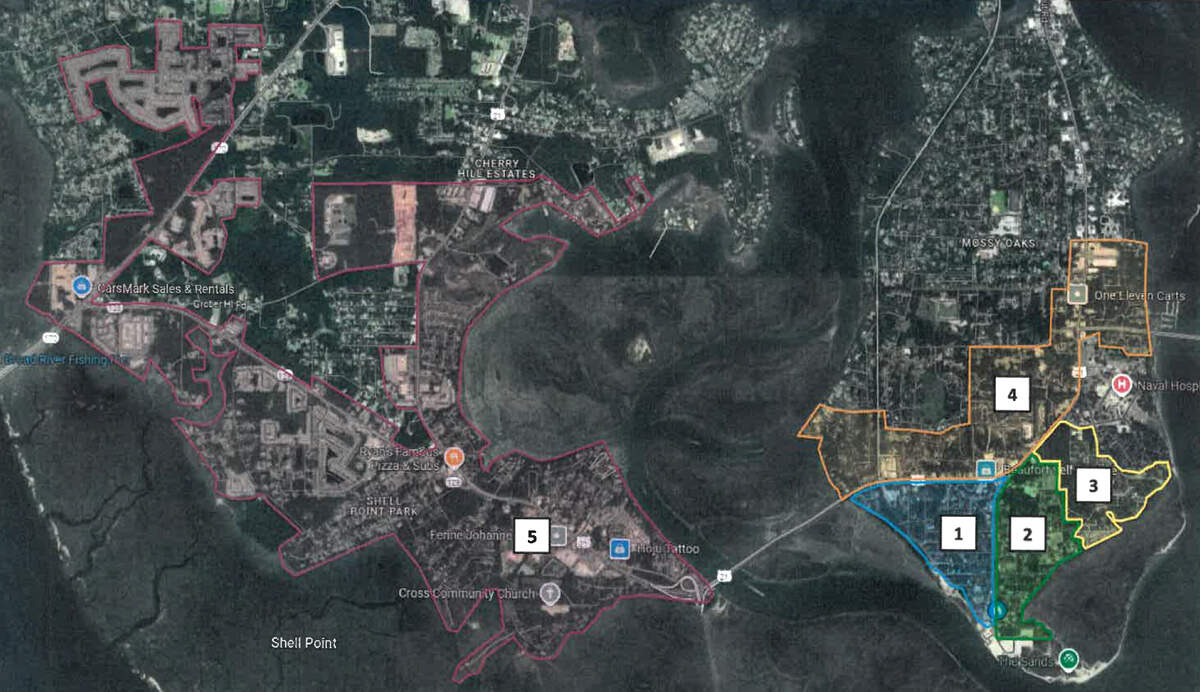
But Town Council members unanimously approved a revised short-term rental ordinance Wednesday that restricts the number of short-term rentals to 6% of the total residential units within each of five new districts created across the town of 16,000.
The action does not affect motels or hotels.
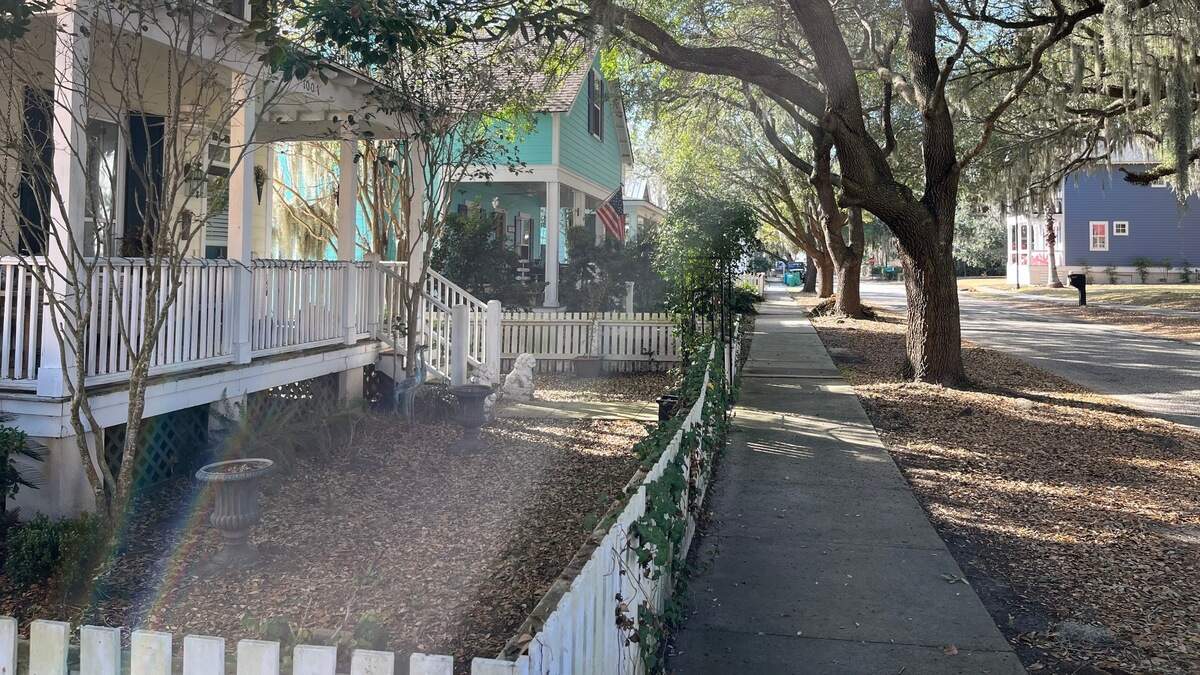
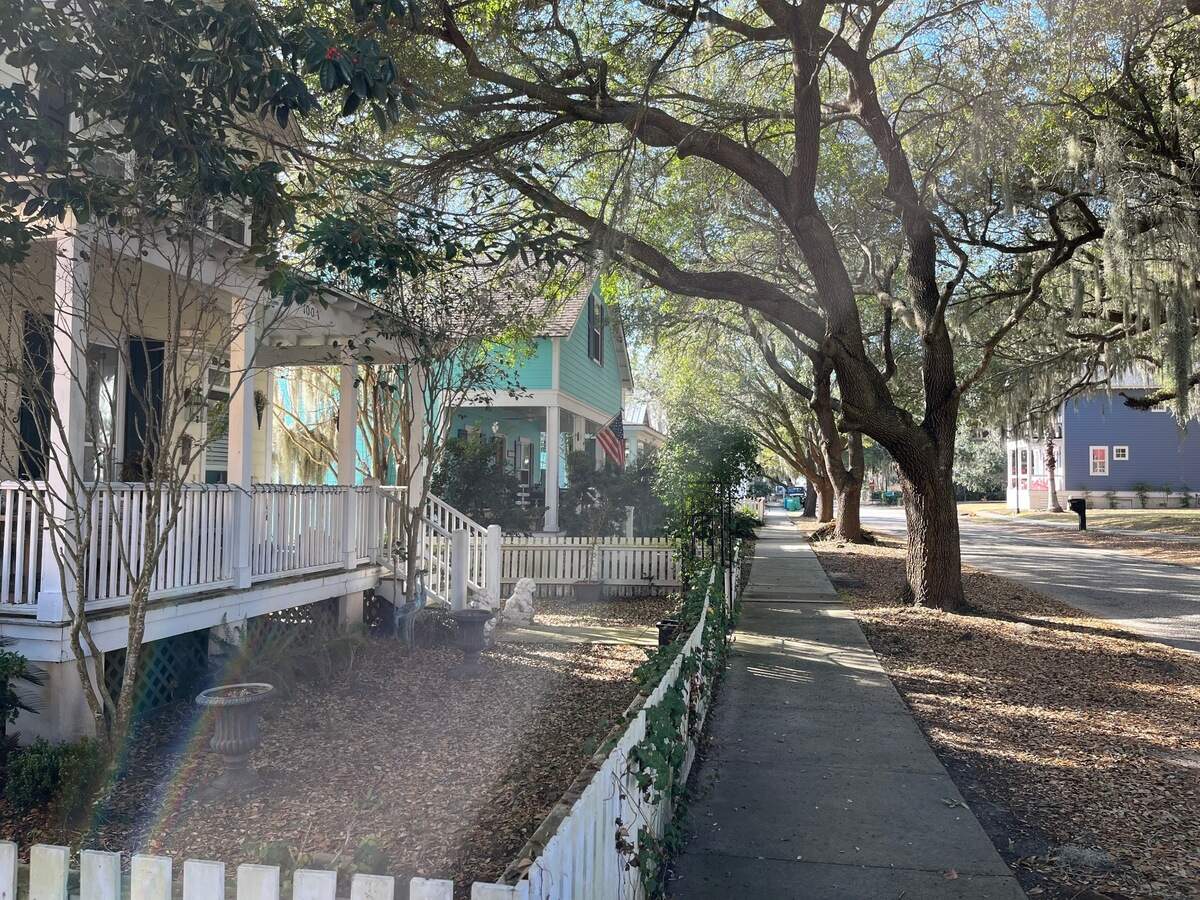
As a result of the cap, two of the newly created districts are already at the 6% capacity, Town Administrator Van Willis said. No new business licenses for short-term rentals can be issued within a district if it would cause the total to exceed the 6% threshold. Those two at-capacity districts are located south of Ribaut Road and include the popular old village portion of the community known for its quiet neighborhoods, big oak trees and views of Battery Creek, Willis said.
“We have a significant saturation of short-term rentals in particular parts of town,” Willis said. “The concern was we are losing a bit of our identity through accumulations of short-term rentals in specific locations.”
The cost of the business license will depend on gross income of the short-term rental. If a property owner is found to be operating without the approval of the town, the sliding scale will not be used and the license fee will be a flat $1,000.
Port Royal’s new ordinance will require short-term rental owners to purchase a business license before renting a vacation home for fewer than 29 days.
In 2020, the Town Council rejected short-term rental regulations. But after the number jumped by 57%, from 70 to 110, over four years, residents asked the Town Council to revisit the issue and a committee was formed to make recommendations.
The number of short-term rentals pales by comparison to Hilton Head Island, where town staff estimates that about 10,000 units are offered as short-term rentals, or about a third of the residential units in the town limits.
But the majority of the Port Royal growth, residents say, has occurred in relatively small area within the old village, which prompted the concern. When he recently lived on 9th Street, Willis noted, he could see three short-term rentals from that one location. “The saturation downtown was starting to become problem for some of our residents,” he said.
The purpose of breaking up the town into districts was to encourage investment in short-term rentals across the entire town instead of having too many in a particular area. “It was really getting a grasp on the number of units in some parts of town,” Willis said.
Willis added that there is still plenty of room for short-term rentals in the other three districts.
How other communities are responding
Port Royal restrictions are “on par” with what other communities are doing, Willis said.
The city of Beaufort has a 6% cap on short-term rentals. It was passed several years ago.
Hilton Head passed rules that took effect last year that require short-term rentals to be licensed. Regulations on how the property must be managed also were added. It does not restrict the number of homes in a particular neighborhood or zoning district that can be offered as a short-term rental.
Mt. Pleasant, another coastal community near Charleston, has cap on short-term rentals of 1%.
The move by the town comes as state lawmakers in Columbia are talking about taking away the ability of municipalities to regulate short-term rentals. Legislation was debated during the last legislative session but didn’t pass.
The ordinance does not affect property owners with existing short-term rentals.
And if a property owner with a short-term rental business license sells their home, the new owner will have six months to apply for a short-term rental business license.
Accessory dwelling units, like an apartment above a garage, will not be counted toward the 6% cap on short-term rentals if the entire property is used as the legal residence by the owner.
Residents testify
Adam Catledge, a Beaufort resident who works in real estate, told council members that the changes were based on opinions and emotion rather than facts, from what he heard during meetings of a committee that studied the issue for the town. He worries that the restrictions will lead to a drop in housing prices that will make it more difficult for some to sell there homes.
“Adding these additional restrictions onto (the) local community, homeowners, you’re going to have problems that have not been addressed,” he said.
But several residents, some who served on the committee, spoke in favor of the restrictions, arguing the growth was hurting the character of the town’s neighborhoods and quality of life.
“It pushes out local residents from living here,” Barbara Berry, who served on the committee, said of the proliferation of short-term rentals.
The issue was emotional, Berry added. “We live here,” she said. However, she strongly disagreed that ordinance was not based on fact, saying the committee studied how short-term housing ordinances were written throughout the world. Regulations, she added, are “much needed” to protect not only neighborhood character but housing availability. When there are too many vacation residences, she said, rents skyrocket and homes that would be long-term rentals become short term, which limits the housing supply for local residents.
Port Royal’s population growth and rapid rise in the number of apartments and housing in recent years has prompted a number of responses by the town including passing one of the toughest tree-removal ordinances in the state and limiting where personal storage units can be located. And in April, the Town Council signed off on a moratorium on construction of new apartments and new short-term rentals.
This story was originally published December 12, 2024 at 1:13 PM.