300 years ago, this colony of Scots vanished. Could it be under downtown Beaufort?
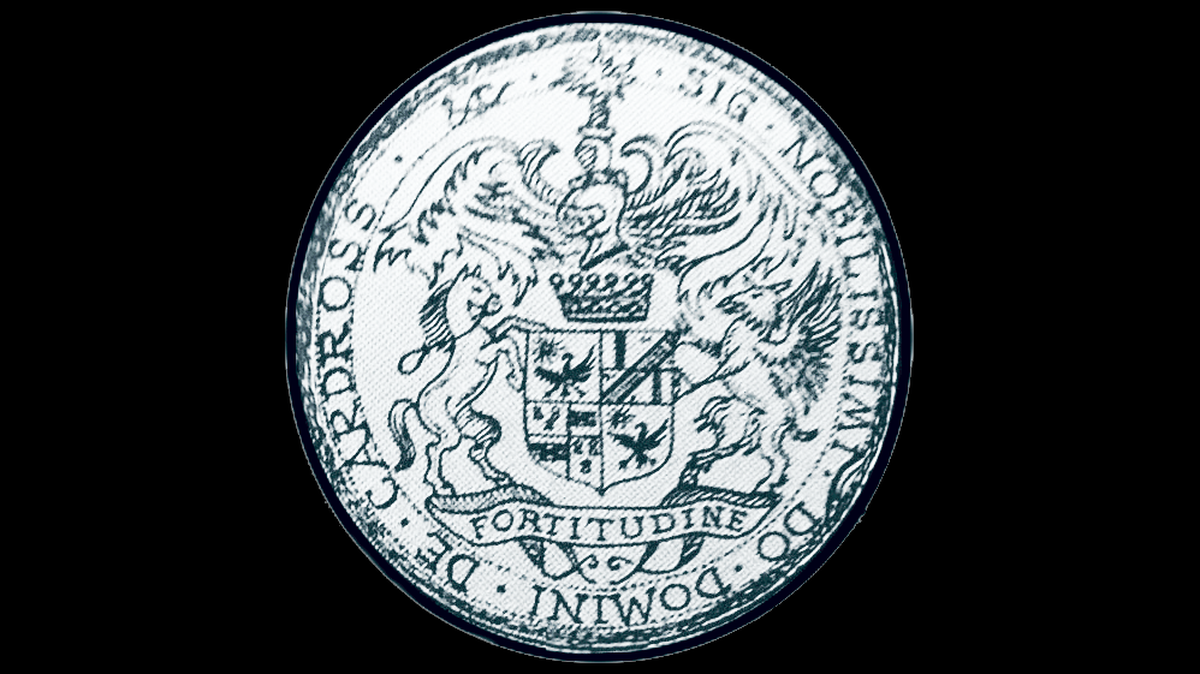
Archaeologists are planning to look for evidence that a Scottish colony once existed in downtown Beaufort more than 300 years ago, well before the construction of the stately mansions that have made the city renowned for its historic structures.
Chester DePratter, a research professor at the South Carolina Institute of Archaeology and Anthropology at the University of South Carolina in Columbia, has put together a team of archaeologists and historians who will “start digging holes” this summer in search of “Stuarts Town,” built in 1684.
The search will focus on houses east of Carteret Street and south of Prince Street in The Point neighborhood, which is known for its Antebellum-era houses dating to the late 1700s and early 1800s.
Finding evidence pinpointing the location of the forgotten colony, which remains a mystery, is a long shot, DePratter says, but evidence he’s reviewed points to the area as a possibility.
“If there’s no curiosity,” DePratter says, “there wouldn’t be archaeology.”
In November 1684, 51 Scots arrived in Port Royal Sound to establish the permanent settlement. They were part of a larger group that had arrived in Charles Town — today’s Charleston — a month earlier.
“The people who were coming here were being persecuted in Scotland for religious beliefs,” DePratter says, “and they were looking for a place where they could go to practice religion freely.”
Henry Erskine, the leader, named the Presbyterian colony Stuarts Town after his wife’s family name. A community of 1,000 or more people, bigger than Charles Town, was envisioned, with every settler getting 50 acres of farmland.
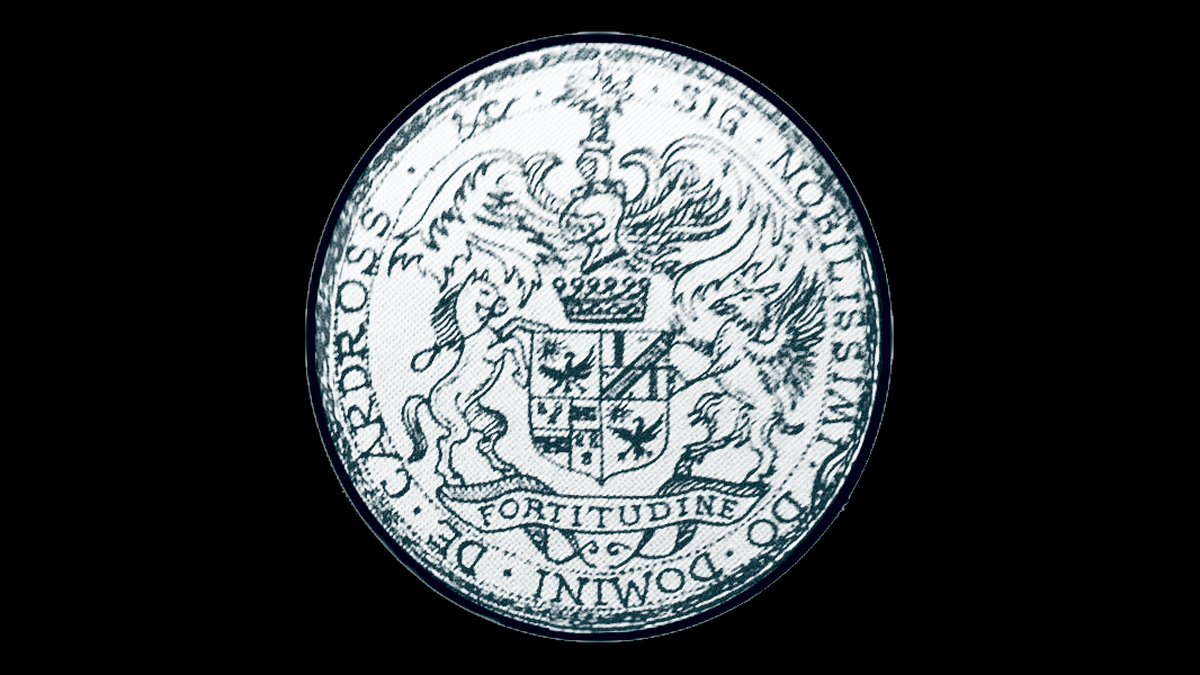
But the area was violent, with claims between the Spanish and English in dispute and Native American nations feuding. And in 1686, after two years, the colony went up in flames when Spanish troops and Native American allies attacked, burning it to the ground, incited by the Scots’ support of a raid by Yamasee Native Americans on a Spanish mission.
Its brief life, DePratter says, makes finding clues about it in the ground today challenging.
“It’s a difficult search in the sense that people don’t lose very much in a two-year period,” DePratter says.
Over a week’s time, the archaeological team will dig 300 holes that will measure 1 foot by 2 feet and up to foot-and-a-half deep, looking for evidence of burned structures — probably log cabins
“It’s purely by chance, if you come down on something with a hole that size,” DePratter says.
But it only takes one hole to hit on an artifact, he adds.
Some historians have placed Stuarts Town in Beaufort’s Spanish Point neighborhood, which is also located on the Beaufort River. As the crow flies, that’s about 1.5 miles south of downtown Beaufort and The Point neighborhood where DePratter plans to search. There’s even a street in Spanish Point named “Stuart Town Court.”
But no remnant of the lost 17th Century Scottish colony has been found at Spanish Point, says DePratter, who also notes that there are no detailed maps showing its exact location, with existing documents providing vague descriptions that are difficult to interpret.

DePratter’s research team plans to search for the settlement in The Point based on a close reading of the available documents, 17th century maps and the absence of evidence from any other location.
“It’s just my personal interpretation of the documents,” he said>
The 17th Century map, DePratter says, seems to indicate the colony was closer to downtown Beaufort than Spanish Point, and The Point is still accessible and not covered up by highways and concrete, so a search there is still possible.
The first test hole will be dug June 6 in Mayor Stephen Murray’s yard on Craven Street, when DePratter also will explain the project to the public. The $18,000 project, DePratter says, will depend on the support of residents. The city of Beaufort has opened a fund through its Pride of Place program for those interested in contributing.
The real work will begin Aug. 8 when DePratter’s team will spend a week digging 300 holes, with permission from property owners.
DePratter, who was involved in pinpointing the location of a 16th-century Spanish fort in the Santa Elena settlement on what is now Marine Corps Recruit Depot Parris Island, has always been curious about Stuarts Town, collecting documents on it for 30 years.
It’s a historical fact it existed, he notes, and that the Spanish burned it down. But with the question about its location still unanswered he put together a team of archaeologists and historians that includes Dr. Charles Cobb and James E. Lockwood, Jr. , professors of historical archaeology at the Florida Museum of Natural History at the University of Florida, Hannah Hoover, a Ph.D. candidate at the University of Michigan, Ann Arbor, Dr. Lawrence Rowland, professor emeritus of history at the University of South Carolina Beaufort, Dr. Peter Moore, a history professor at Texas A&M University and Dr. Denise Bossy, associate professor of history at the University of North Florida.
Phil Cromer, a Beaufort City Council member who is president of the St. Andrew’s Society of Lowcountry, “ a organization that’s a partner in the project, says nobody knows much about the Scottish colony on the coast of South Carolina.
Even if no evidence of Stuarts Town is found in Beaufort, Cromer adds, the archaeology work will still yield results.
“At the very worst,” Cromer says, “we’re going to find out a bunch about Beaufort’s early history.”
What’s next
A kickoff event for the project will be held at Morrall Park on Craven Street near Carteret on June 6, between 10 a.m. and noon. This kickoff will include brief presentations on the background and implementation of the project.
More information
The Search for Stuarts Town: www.stuartstown.com. Sponsors include the South Carolina Institute of Archaeology and Anthropology (USC), the City of Beaufort, the St. Andrew’s Society of Lowcountry SC, the Beaufort County Historical Society, and the Beaufort History Museum, and the University of Florida.
To donate
Go to Beaufort Pride of Place: www.cityofbeaufort.org/270/Beaufort-Pride-of-Place. Or mail a check to Beaufort Pride of Place/The Search for Stuarts Town, 1911 Boundary St., Beaufort, S.C., 29902. Or drop off a check Monday through Friday, 8 a.m.-4:30 p.m., City Hall, Second Floor.
This story was originally published May 29, 2022 at 5:10 AM.