
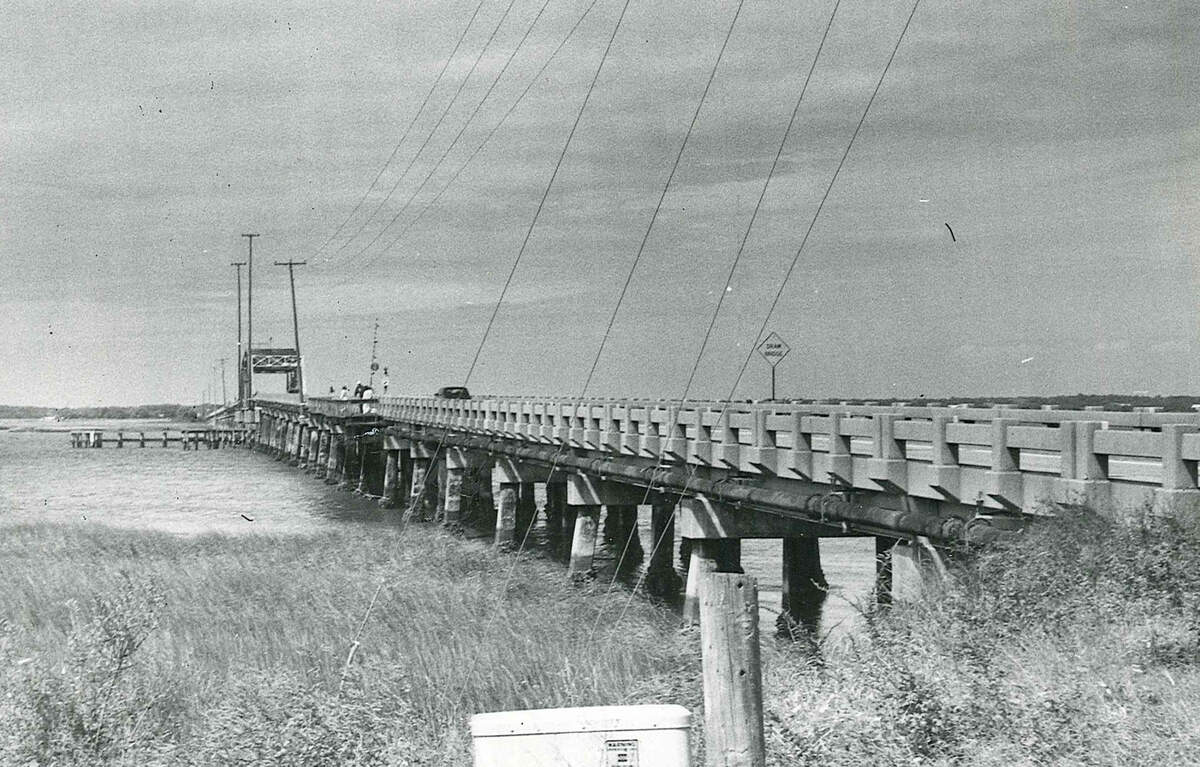
His dad built the original Harbor River swing bridge in 1939, before there were roads
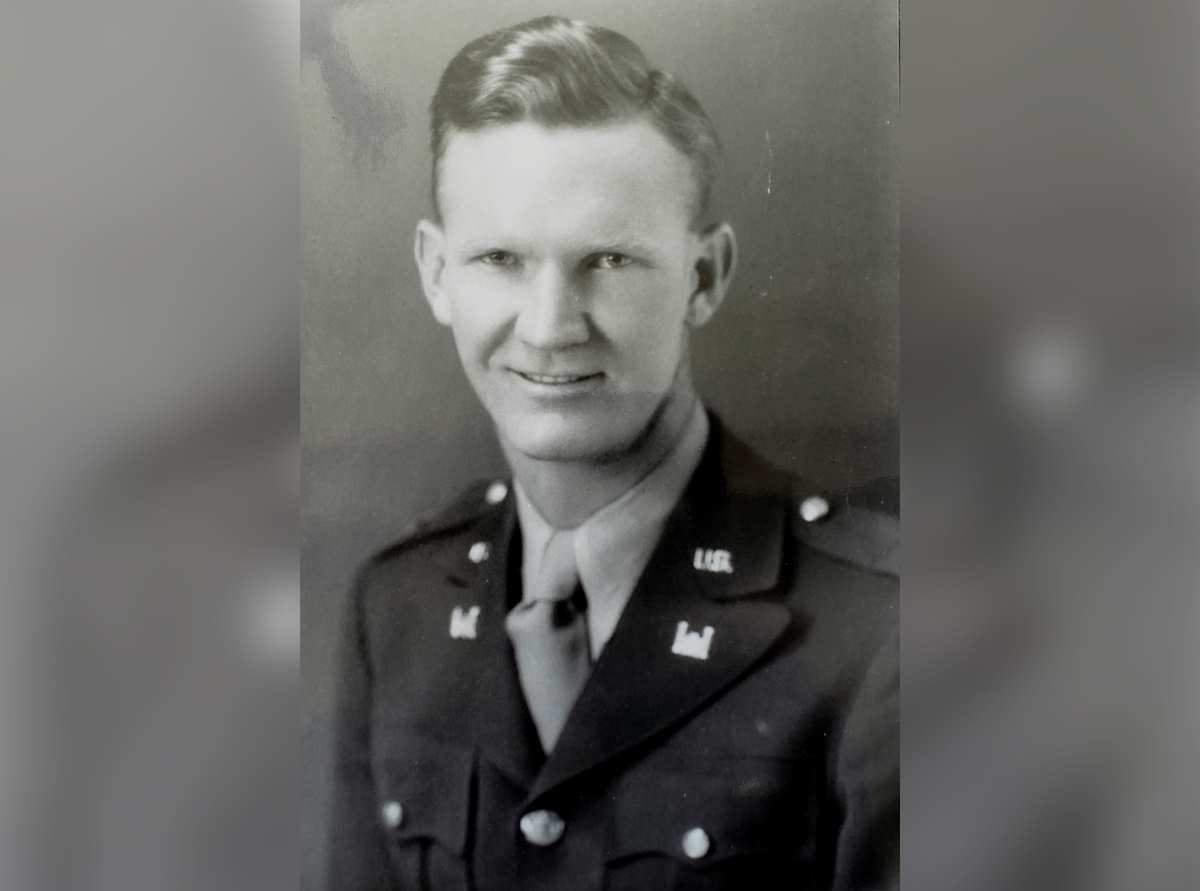
“He was known as Mills,” Andy Kinghorn replied when asked his father’s full name.
Kinghorn, a Beaufort native, wasn’t born yet when his father, Anderson Mills Kinghorn, was named superintendent for the construction of the original swing bridge that connected St. Helena Island to Harbor Island.
The Harbor River Bridge.
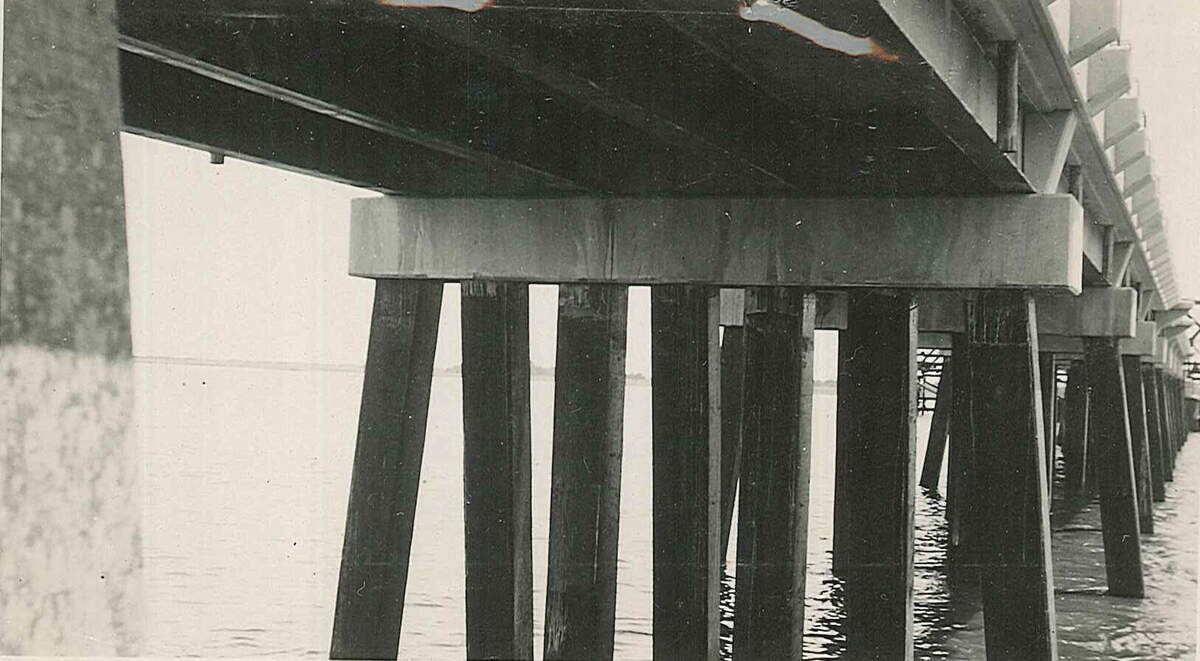
Included in that project was the construction of the Johnson Creek Bridge that would link Harbor and Hunting islands.
Both bridges were built before the causeway was constructed, forcing the crew to bring materials to the sites by barge.
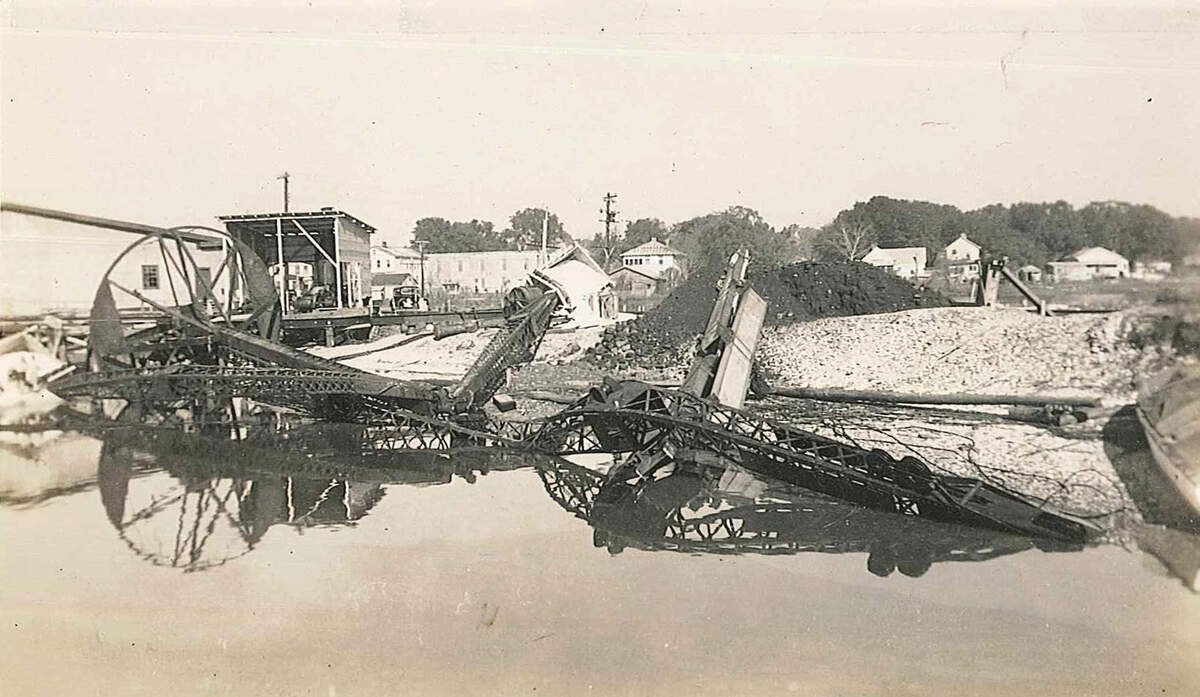
The pilings for the bridges were made at the Port of Port Royal.
The first of those concrete pilings toppled the crane.
That was all in 1939, the same year Mills married Julia Seay Kinghorn.
“What I don’t remember,” their son said, “is where he would have lived while the construction was going on, because it would have been a hike to get from Beaufort out there everyday.”
It’s one of those questions that may never be answered.
Both bridges have since been replaced.
The Johnson Creek Bridge was the first to go, and it happened when Mills, who died from melanoma cancer in 2006, was still alive.
“I think he was very proud of the (swing) bridge, but I think it hurt his feelings when they replaced the Johnson Creek Bridge first,” Kinghorn said. “Why did they need to replace it?” he recalled his father asking. “It seemed to be fine.”
Kinghorn remembered pulling a boat trailer over the very narrow Johnson Creek Bridge, though it was standard width for those times, it was a very nerve-wracking drive.
This year, a high-level fixed-span bridge replaced the swing bridge.
The new Harbor River Bridge is impressive.
The towering, $77 million bridge, over 3,000 feet long and 65 feet high, opened April 26.
Demolition of the swing bridge that Mills oversaw began the day after the opening.
Photo album tells the story
Kinghorn, sitting in his family home in Pigeon Point with a panoramic view of the marsh of the Beaufort River, pulled out a dusty, orange photo album. On the cover was an embossed Clemson logo — father’s and son’s alma mater.
“I didn’t know what to do with these photographs,” Kinghorn said, but when he saw the publicity of the new bridge going up, he figured people might be interested.
Inside were several pages of small black and white photos, each photo a bit over four inches wide. They were sandwiched between cardstock, with a sticky adhesive and a clear, plastic film to keep the exposed glue from sticking to other mementos.
His father, who had put together the album, was quite proud of his bridges, Kinghorn said.
But the new one is remarkable. “They’ll have a very accessible bridge for the next 100 years, probably,” Kinghorn said.
This story was originally published May 30, 2021 at 6:50 AM.