
‘Harriet’ movie: Tubman’s life bigger than life, especially in Beaufort County
It wasn’t until nearly the end of the advance screening of the new movie “Harriet” that the audience in Bluffton let out a murmur of recognition.
The theater full of mostly teenagers from schools in Beaufort, Jasper, Hampton and Colleton counties at least knew the Combahee River by name, if not by sight. The applause at the end of the movie was probably at least partially in recognition of seeing a place in which you live depicted on film, if not for the sentiments expressed in the movie itself.
Thanks to a generous arrangement by the Rev. Kenneth Hodges of Tabernacle Baptist Church in Beaufort, also a former South Carolina state representative, the theater’s audience was the kind that can benefit most from a movie that ends with Harriet Tubman’s exploits in the area. It’s still a subject that needs attention among our younger generations.
“When we discovered that a movie on Harriet Tubman was being produced, we contacted the producers about the possibility of showing screenings in the area where Harriet Tubman stayed and served,” Hodges said.
“We wanted to give students in Beaufort, Colleton, Hampton and Jasper counties an opportunity to learn more about her by attending the movie.”
Earlier fund-raising screenings allowed that to happen free-of-charge for 150 area students.
For an area that has been visited by major historical figures from George Washington to George Bush, remarkably little has been said —until recently — about Tubman’s presence in Beaufort County, where she worked alongside the Union Army in a nighttime river raid to rescue over 700 enslaved residents in plantations along the Combahee River during the Civil War.
The movie, which, like her own life, picks up the pace midway through, will help bring about her due recognition to the changing face of America in the 19th century. Filmed mostly in Virginia, the settings moved from Maryland to Pennsylvania to New York and, finally, to South Carolina, where the epic freeing of hundreds took place.
There’s the Harriet Tubman Bridge over the Combahee River on U.S. 17, of course, but a monument of Tubman built next to Tabernacle Baptist on Craven Street will also help by having a physical landmark to represent her achievements. Funds for the monument should be raised by the end of next year, Hodges said.
For those of us who grew up in the area, though, it’s heartening to see younger people exposed to hearing about and seeing Beaufort’s role and the major players here during the Civil War and Reconstruction Era. It’s something many of us just didn’t grow up having exposure to or awareness of in our own hometown.
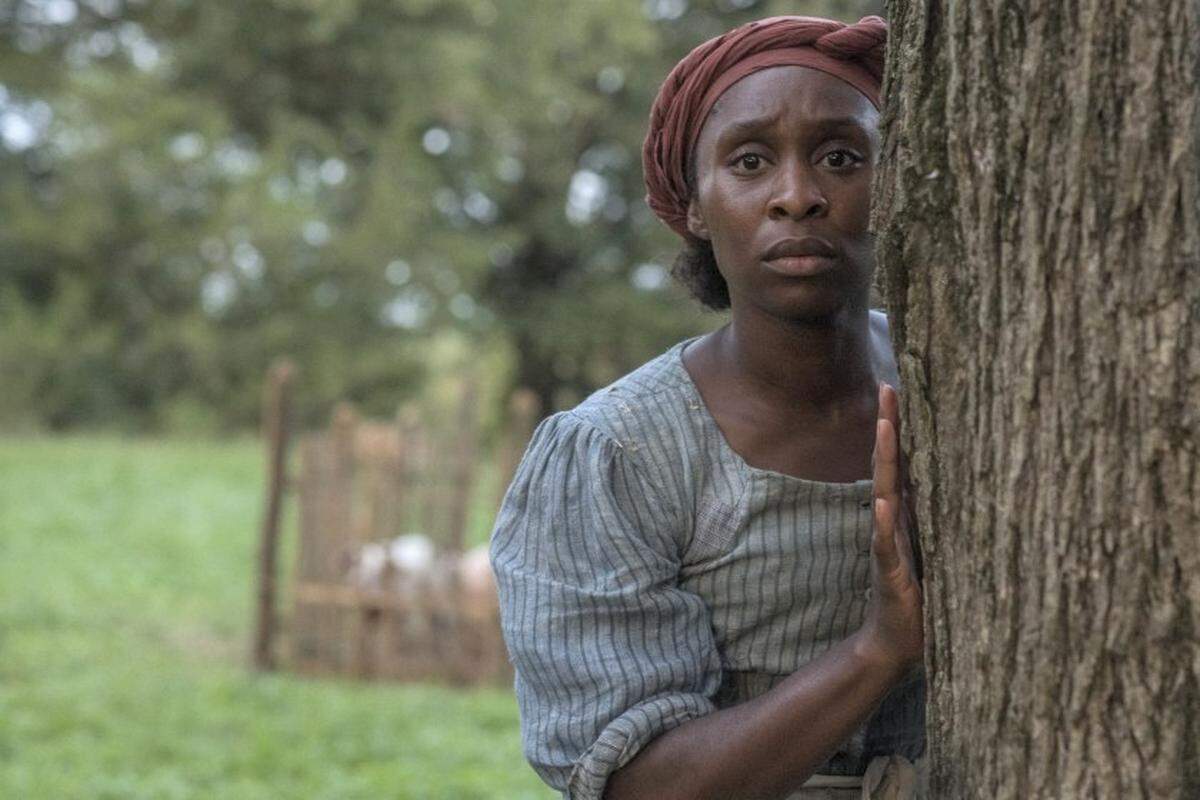
The students at the movie screening already know more than many of us did. They even started asking the questions that need to be asked in the discussion after the movie, led by Hodges.
“Why was her name change so important to her?” they asked, referencing the abandonment of her birth name, Araminta Ross, to her chosen name of Harriet Tubman, taken in freedom.
“Can you imagine ...?” another asked, letting the unfinished end of the sentence lead to a brief discussion of the 13th Amendment, heavy stuff for teenagers accustomed to SnapChatting their way through 2019.
During a scene near the end of the movie when the characters finished singing “Wade in the Water,” students in the theater familiar with the song did not, singing another verse of the chorus on their own.
It was clear then that something was resonating, and trying to balance the depiction of an entire race of humans gaining freedom for the first time is not just another day on a Hollywood studio lot for most filmmakers.
“We felt that ‘Harriet,’ depicting the younger Harriet Tubman, would be a movie that students could relate to,” said Hodges. “Seeing the movie can also open a meaningful dialogue among students with diverse backgrounds.”
That was certainly evident at the screening, and though Harriet Tubman herself died in near-poverty, she left a rich history in our area. It’s a history our future generations need to examine inside a classroom, sitting on a bench outside by a monument, or in the dark quiet of a movie theater.
This story was originally published October 31, 2019 at 3:23 PM.