
Cases of the ‘diarrhea parasite’ are growing. Is it in the SC Lowcountry?
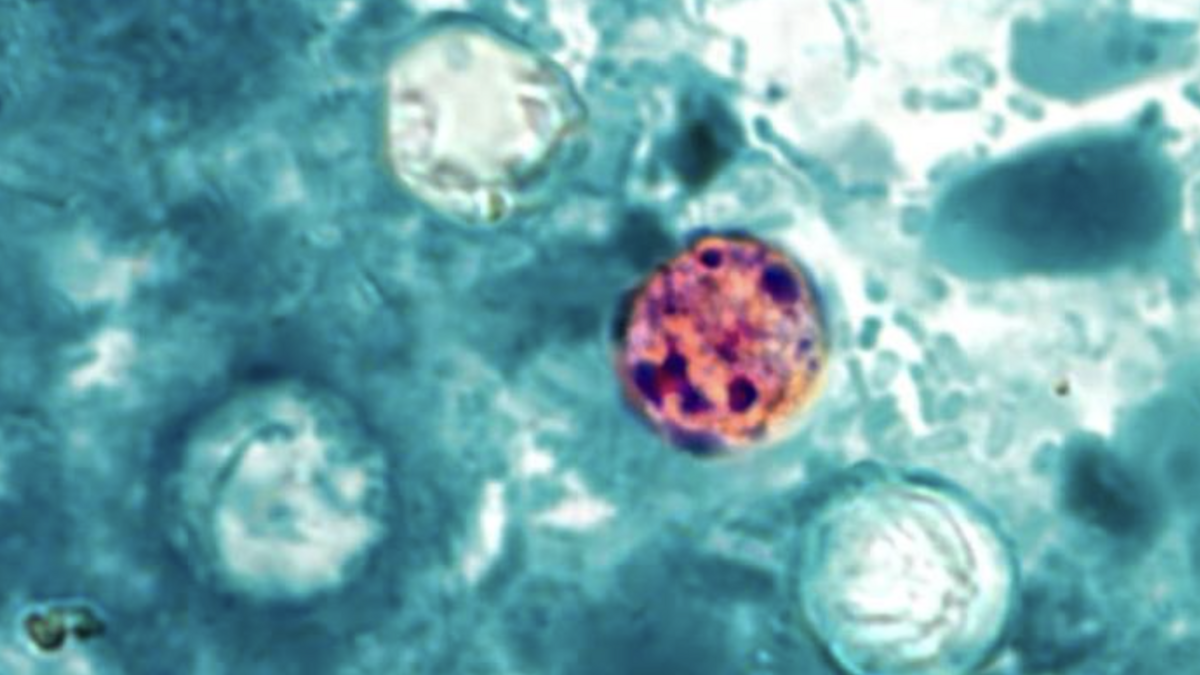
Cases of a diarrhea-causing parasite are growing around the country, but Beaufort County has been spared so far.
The situation prompted the Centers for Disease Control to declare an outbreak in four states: Michigan, Ohio, West Virginia and Kentucky. The Centers for Disease Control reports 1,645 lab-confirmed cases in 34 states so far, and thousands more yet to be confirmed. Cases are up significantly from 2025, when only 249 were reported by this time last year.
But what is the parasite, and is it coming to the Lowcountry?
What is Cycloporiasis?
The illness is called Cycloporiasis, and is caused by the microscopic parasite Cyclospora, according to the CDC. Cycloporiasis is a gastrointestinal illness that results in diarrhea and fatigue. The illness is most common during the summer, and the CDC considers Cycloporiasis season to be between May 1 and August 31.
Cycloporiasis symptoms commonly begin one week after exposure to the parasite, but onset can occur within two to 14 days. Common symptoms of Cycloporiasis include:
- Potentially frequent watery diarrhea
- Loss of appetite
- Weight loss
- Bloating
- Nausea
- Fatigue
Less common symptoms are fever and vomiting, and the illness can last from two days to more than a month if left untreated. Symptoms can be severe but are usually not life-threatening. The CDC recommends you contact a health care provider if you exhibit the symptoms.
How do you get it?
Unlike viruses or bacteria, human to human transmission of Cyclospora is unlikely. The most common way of contracting it is by consuming food or water contaminated with Cyclospora.
The CDC is investigating the source of the outbreak, and it’s interviewing people with the illness about the foods they ate before the symptoms emerged. To prevent contracting the illness, the CDC recommends washing your hands before and after handling raw fruits and vegetables. Wash fruits and vegetables thoroughly before preparing or consuming them.
Is it coming to the Lowcountry?
The CDC expects case counts to rise due to a six-week reporting lag time between onset of symptoms and reporting to the CDC. It’s possible more cases have occurred in South Carolina or even the Lowcountry but have not been reported yet. The South Carolina Department of Public Health reports 16 cases in the state this year, with none occurring in Beaufort County.
Following the CDC’s preventative recommendations reduces the risk of contracting Cycloproiasis. You can keep track of the case count through the CDC here.