
New Hilton Head park designed to protect mysterious archeological site to open this summer
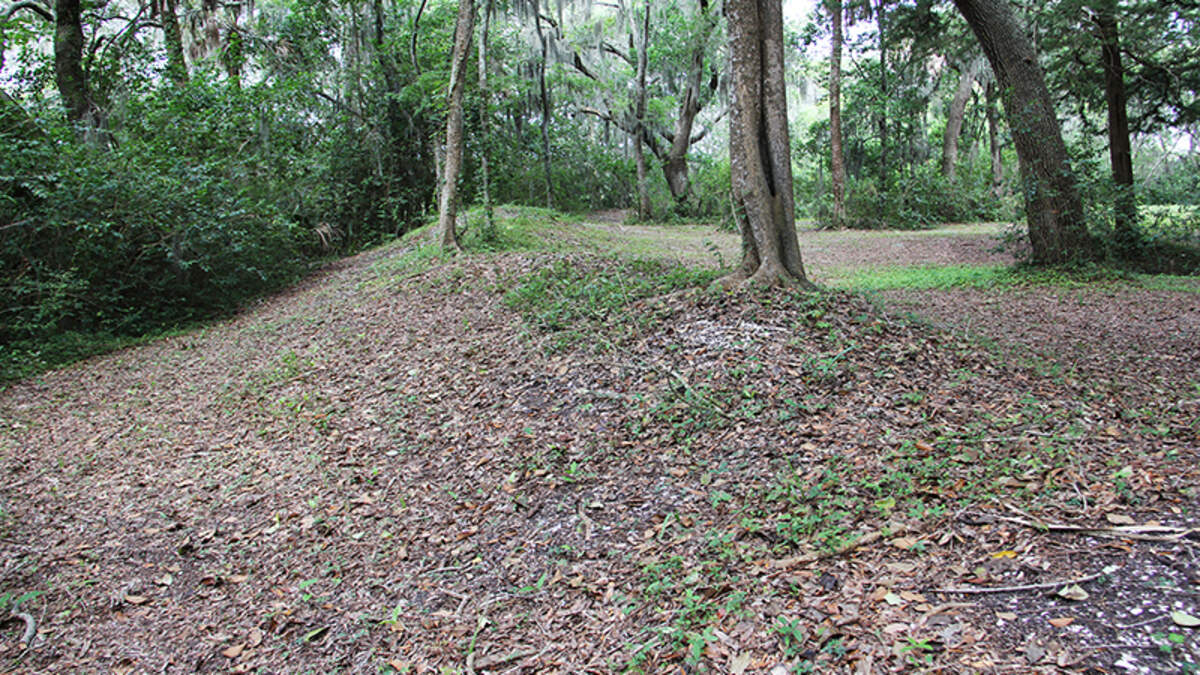
A park protecting the indigenous history of Hilton Head Island is set to open later this summer after several months of construction.
The park — Ford’s Shell Rings Park — contains two shell rings built by Hilton Head Island’s Native American inhabitants 4,000 years ago. The park will allow visitors to view the rings and learn the history behind them.
Here’s what you need to know about the park and shell rings.
The Hilton Head park
The Town of Hilton Head and Beaufort County purchased the 6.8 acres of land the shell rings lie on in 2003 to prevent development, according to a news release from the town. In 2020, Beaufort County Council voted to construct a park on the lot, with the aim of protecting and informing the public about the shell rings. The park is named after the former landowner, Henry Ford.
Construction began in March 2026. It will add:
- Parking and road access to the park
- Earthen trails throughout for visitors
- Gates for vehicles and fencing
- Signs explaining the site’s history
The news release describes the construction methods as “low-impact.” They hope to minimize damage to the rings during construction.
What are shell rings?
The shell rings consist of hundreds of thousands of discarded oyster, clam and mussel shells as well as animal bones, according to the news release. The two shell rings in the park form a figure eight shape. One ring is larger than the other. The larger one is older, and the smaller one is partially superimposed over the older. They were first excavated in the 1960s.
There are multiple shell rings on Hilton Head Island, according to an article from the Archaeological Society of South Carolina. Similar rings can be found from North Carolina to Florida. The rings are intentionally circular and would have stood several feet tall. They date from 5,000 to 3,000 years ago.
Shell rings are buried under the soil and are discovered using ground penetrating radar technology. Their purpose is a mystery to archeologists, with theories ranging from them being religious sites to village walls. However, they have been able to learn about the diet and lifestyle of the people who constructed them.
The rings are protected by town ordinances from damage. Artifacts from Hilton Head Island’s shell rings can be seen at the Coastal Discovery Museum located on the island.