‘I’m going to win’: Beaufort County man ignites statewide red light camera fight
Six years ago, a left turn almost cost Jim Anderson his life.
The crash happened just after noon on a September day in 2019. Driving an enormous GMC truck, Anderson left his neighborhood of Belfair, one of the top luxury gated golf communities in Bluffton. The neighborhood’s entrance sits right along U.S. 278, a major highway that carries large volumes of high-speed traffic between Bluffton and Hilton Head Island.
As he made a left turn onto the highway, a smaller vehicle came careening down the road and ran a red light, slamming into the front end of his truck. The force of the collision spun Henderson’s truck 90 degrees.
Anderson was unscathed. The other driver wasn’t so lucky. He stepped out clutching his chest. The driver said he’d thought the light was green, Anderson remembered.
An ambulance came for the injured driver. Physically, Anderson was unharmed. But he was fuming.
“I’m thinking, ‘holy hell, that could have been me going out of here in an ambulance, or a hearse,’” Anderson said.
Years later, the incident has spurred the Bluffton resident to push for red light cameras to be installed in Beaufort County. After learning that such devices are illegal in South Carolina, Anderson contacted his state representatives to try to get the law changed.
Local lawmakers listened. House Bill 5600, sponsored by Bluffton Reps. Weston Newton and Bill Herbkersman, would allow cities and towns across the state to install traffic devices that detect when a driver enters an intersection on a red light and automatically mail them fines of up to $100.
Fifteen years ago, these cameras spurred heated battles at the state capitol. Advocates argued the cameras would save lives, save police officers time and create revenue streams for local governments. But critics said red light cameras violated the constitutional right to due process of the law, and were more about benefitting the pockets of camera companies than stopping accidents.
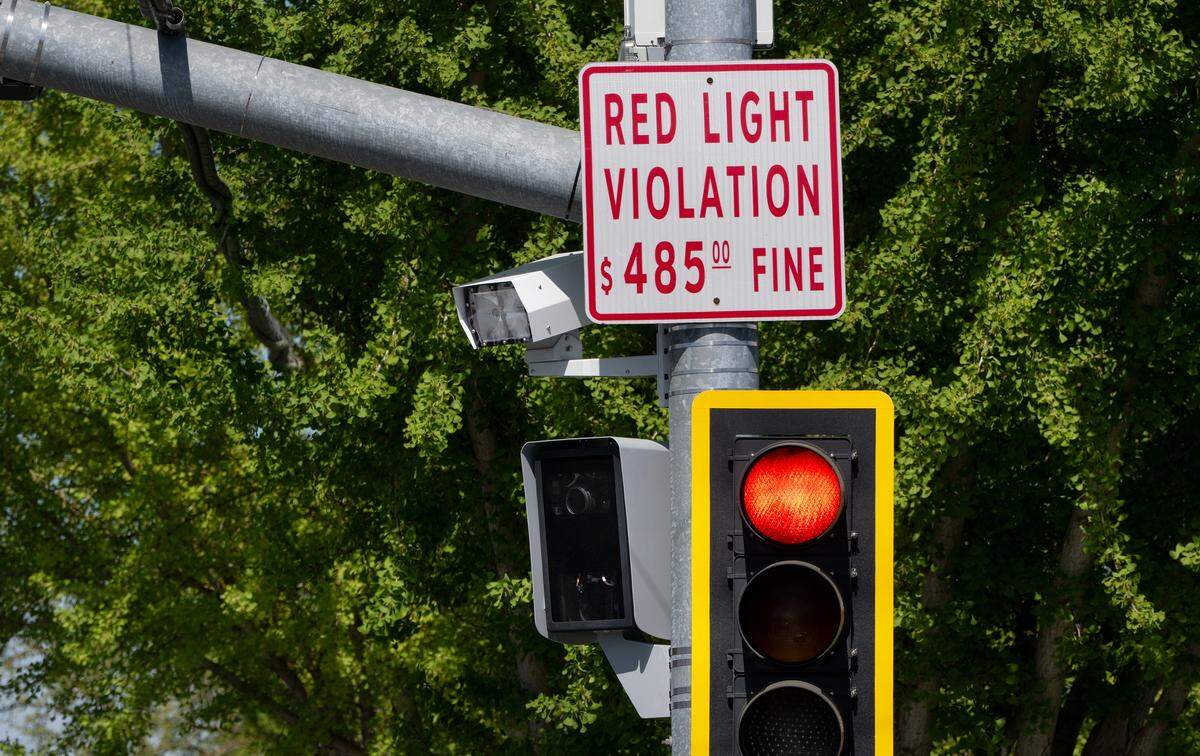
In June 2011, critics won. Today, South Carolina is one of nine in the U.S. with red light camera bans. Law enforcement agencies in South Carolina must perform a traffic stop to issue a ticket, and cannot base the violation in whole or in part on any kind of photographic evidence. (The practice remains legal on private roads.)
Anderson isn’t the first South Carolina resident to push for the return of red light cameras. But he’s determined.
“If I’m going to do this, I’m going to win, period.” Anderson said.
Residents are fed up with dangerous roadways
The intersection of Buck Island Road and U.S. 278, where the entrance to Belfair is located, is one of many dangerous intersections in Beaufort County.
In 2025, a total of twenty people died in traffic collisions countywide, according to previous Island Packet reporting.
One of these fatalities happened just down the road at entrance to Rose Hill Plantation. In May 2025, a six-vehicle pileup at that intersection killed a 43-year-old father of four and left three people injured.
Many Beaufort County residents are looking for officials to make the roads safer. U.S. 278 and S.C. 170 are hotspots for accidents, according to previous Island Packet reporting. A failed penny tax on the ballots in 2024 would have provided $950 million for infrastructure improvements, but voters rejected the measure.
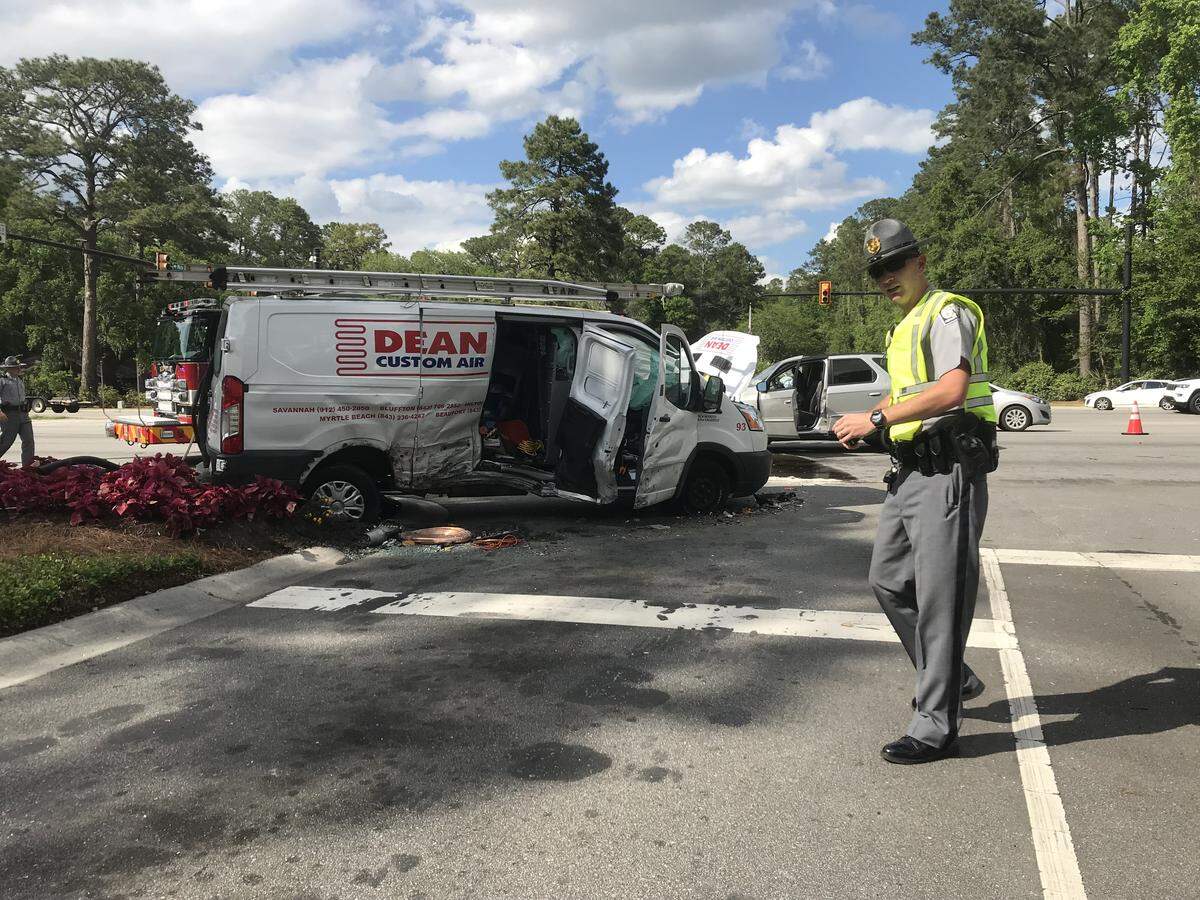
For people like Anderson, cracking down on red light runners feels like a necessary step.
“Something needs to be done,” Anderson said. “This red light camera thing sounds like it could be a real solution to the problem.”
Do red light cameras make roads safer?
Advocates of red light cameras say red light cameras save lives and prevent crashes. Many studies have been done on the topic over the years.
A 2019 study published in Accident Analysis & Prevention, concluded that red light cameras led to a 12% decrease in total crashes and 24% decrease in right-angle crashes. However, the cameras were also linked to a 32% increase in rear-end crashes, according to the study.
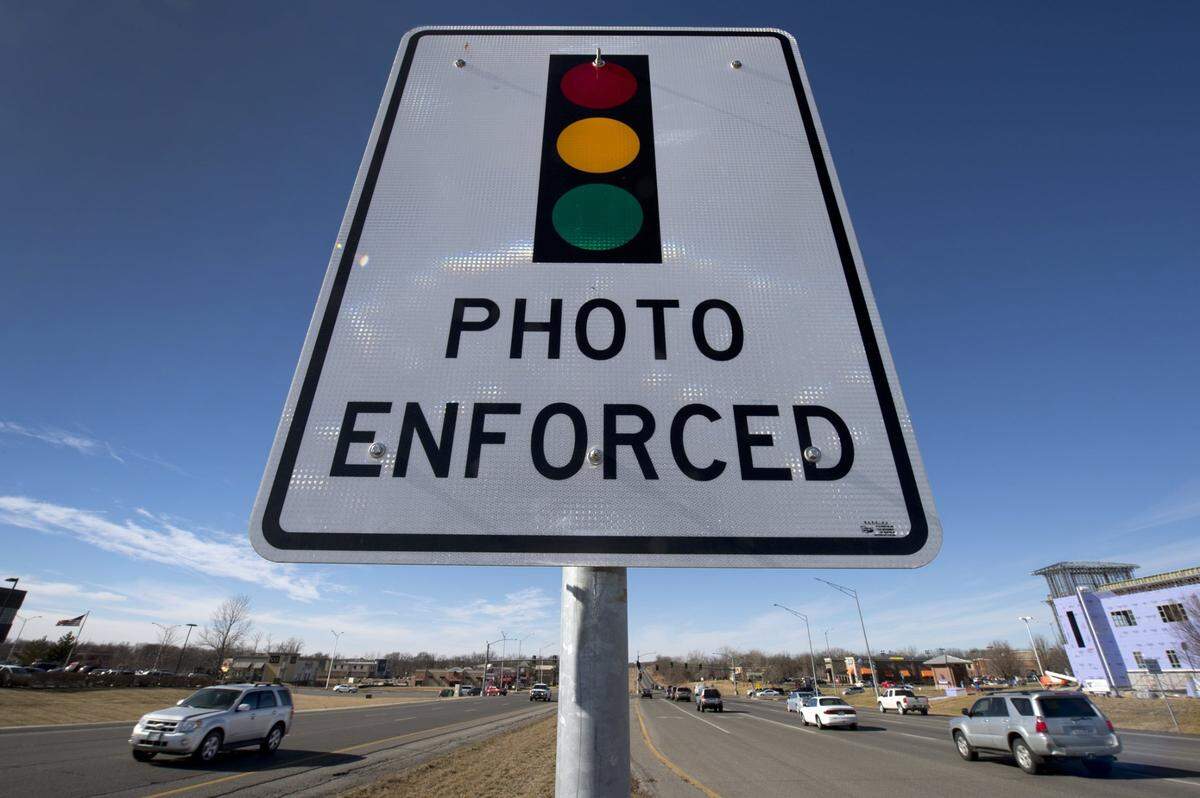
In 2010, researchers for the University of New Mexico saw varying results when analyzing red light cameras used at 20 of the most dangerous intersections in Albuquerque, New Mexico.
Six intersections saw an increase in injury crash costs, while 12 saw decreases. The study’s authors recommended that officials take a “targeted” approach to the use of red light camera systems. The authors excluded crashes that involved alcohol.
Critics remain skeptical that red light cameras do much other than generate profit. Organizations like the National Motorists Association believe that ticketing cameras do not promote safety, and that there are better alternatives.
Jay Beeber, Executive Director of Policy for the National Motorists Association, argued that red light cameras do not prevent collisions that occur because the driver is impaired, distracted or can’t see the light because of the glare of the sun. These types of collisions tend to be the most dangerous, he said.
In March 2020, a 22-year-old man from Hilton Head Island was killed by a man who ran a red light while fleeing a traffic stop. According to previous Island Packet reporting, the man was driving 81 mph in a 45-mph zone. He was later sentenced to 20 years in prison on charges of reckless vehicular homicide and failure to stop for blue lights resulting in death.
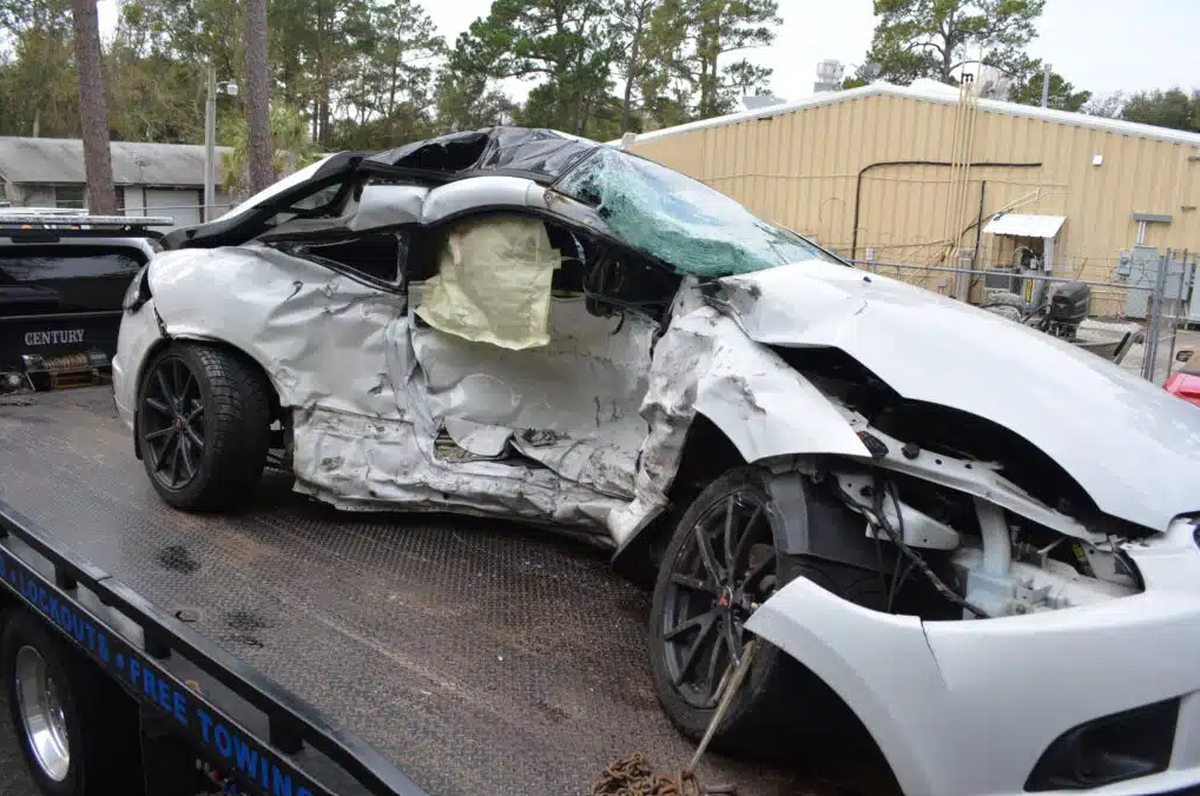
The types of red light violations that cameras are good at combating are those that occur the first few seconds after the light turns red, Beeber said.
If red light cameras are installed, residents might not be happy receiving fines for following the car ahead of them while making a left turn, or making a right turn without coming to a complete stop, he said.
Beeber said people should be asking for “engineering solutions, not enforcement solutions,” to make intersections safer.
Adjusting the timing of traffic lights can prevent collisions, he said. Extending the length of a yellow light by just a half to one-and-a-half seconds has been shown to decrease red light violations by at least 50%, according to a 2004 study by the Texas A&M Transportation Institute. Traffic calming measures that make drivers more aware of their speed, such as planting more trees along the road or using speed feedback signs, can also make roads safer.
Previous Island Packet reporting suggests that traffic light violations are not a key driver of traffic deaths locally. In 2024, the top cited causes for fatal collisions in Beaufort and Jasper Counties were vehicles running off the road or speeding, according to data from the South Carolina Department of Public Safety.
Failing to yield the right of way was cited as a cause for six fatal collisions, while disregarding signs and signals was cited only three times.
What’s next?
The bill was first introduced on April 28, but the House likely won’t take any action on the bill until next year. That’s because the South Carolina legislature reached the final day of its scheduled legislative session on Thursday, although the governor has called the legislature back for an extra session Friday amidst a heated redistricting battle.
In the meantime, Henderson hopes to get in touch with U.S. Rep. Nancy Mace, who announced her bid for SC governor in August. He phoned her recently, but she hasn’t answered yet.
“I want her on my side,” Henderson said.