New short-term rental fees are official for Hilton Head. See what you’ll pay
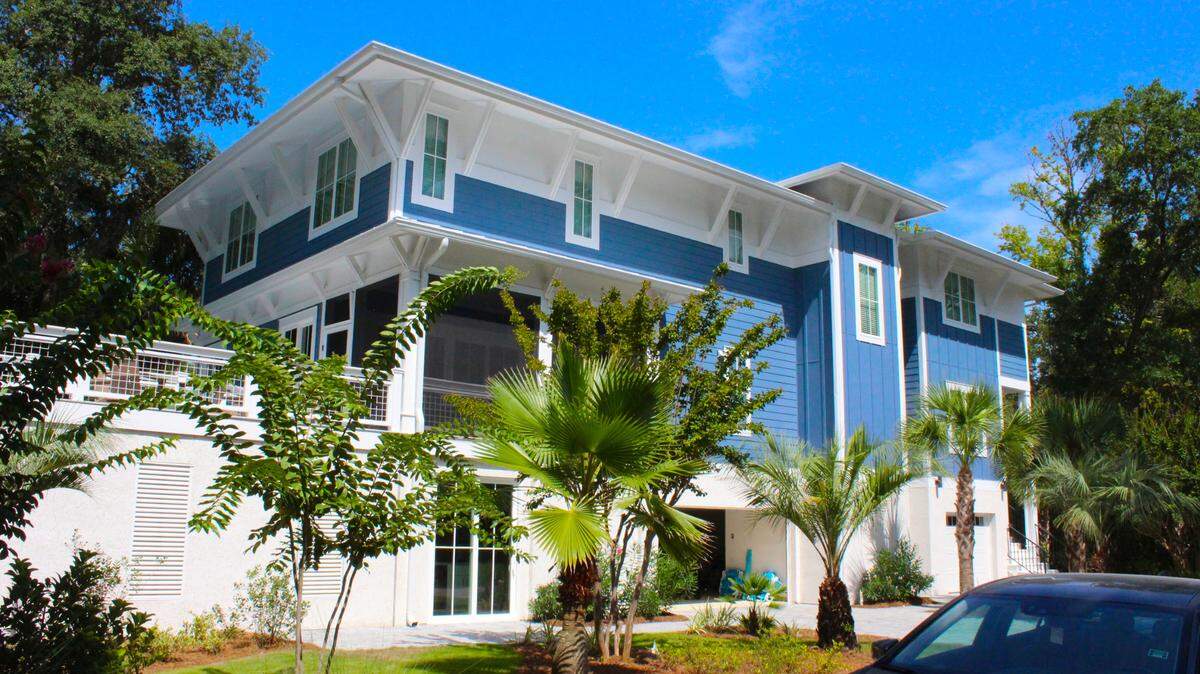
New fees for Hilton Head Island short-term rentals are official.
At a Tuesday meeting, The Town Council of Hilton Head Island gave a final OK to a proposal that would increase permit fees for the majority of short-term rentals within town limits.
When the short-term rental permit renewal portal goes live on April 6, property owners will have to pay a $150 per-bedroom fee instead of the original $250 flat fee.
Officials say increased short-term rental activity on the island has increased the need for inspections, timely response to complaints and clear communication with stakeholders.
“As the STRs increase in size, there’s often more impact on the communities,” said Ward 2 Council Member Patsy Brison during a February meeting of the Finance and Administrative Committee.
The deadline for the short-term rental permit payments will be May 15, according to a staff report. In future years, the deadline for renewing will be May 1. Permits will be issued for a 12-month period rather than a calendar year.
Owners of short-term rentals in gated communities may have to apply for an additional permit issued by the community owner’s association, which could incur additional fees.
Will my property’s fees go up?
The new $150 per bedroom fee will increase costs for some short-term rentals but decrease costs for others.
One bedroom and studio short-term rentals will see a $100 decrease in annual permit fees.
According to a staff report, there are 1,057 permitted one-bedroom rentals and six studio rentals on Hilton Head Island.
For two-bedroom rentals, of which 3,121 permits have been issued, the annual fee would be $300 — a $50 increase from before.
The remaining 3,184 rentals with three or more bedrooms would see significantly higher fees.
A seven-bedroom home, of which 130 short-term rental permits have been issued, would need to pay a $1,050 permit fee.
With over 20,000 bedrooms across Hilton Head’s 7,368 rentals, the new fee schedule is expected to generate over $3 million in revenue for the town annually.
Additionally, a $250 late fee will be issued to short-term rentals that do not renew before May 15. Starting 2027, the late fee will be assessed on May 1.
What will the fees be used for?
The new fees are expected to bring in over $3 million annually for the town. The money will be spent on staffing, equipment and operating expenses to manage the short-term rental program.
That includes paying people for approve permits, operate a short-term rental hotline, conduct code enforcement and manage communications.
More STRs, more rules
In recent years, the Town of Hilton Head Island has taken steps to increase regulation of short-term rentals.
As short-term rentals have increased in numbers in Hilton Head neighborhoods, residents have voiced concerns about parking, noise, trash and a loss of a neighborly feel in many single-family residential areas.
Stakeholders in the short-term rental industry, including rental owners, property managers and real estate agents have stressed that overregulating short-term rentals could deter investors, lower property values and hurt local businesses that depend on tourists.
Hilton Head first introduced new short-term rental regulations in 2022, and they took effect Jan 1, 2023. That decision introduced the permitting system, and was a first step towards addressing parking, noise and trash issues.
New fire safety and parking regulations were approved by the town council last year, and will take effect on May 1. The town has expanded the role of its community code enforcement division, which now has the authority to issue non-criminal citations for violating the town’s short-term rental ordinance.