
More Hilton Head residents are dropping flood insurance. Why they’re doing it
Candy Christiansen and her husband bought a vacation home about two years ago on Hilton Head Island.
They had their hearts set on an oceanfront property, but the price of flood insurance made them change their mind.
Originally from Texas, the couple began visiting several years ago and fell in love with the island’s serenity. Getting closer to retirement age and hoping to have their own place, Christiansen said they looked for oceanfront properties, where they would often stay during their visits over the years.
“We love Ocean Lane. Our heart is on Ocean Lane,” she said.
They were set to buy, but their Realtor told them their realistic cost of flood insurance for that property would be close to $1,600 a month.
They were baffled by the price. So much so they decided on a villa out of a flood zone completely to avoid additional expenses.
“It was essentially another mortgage payment,” Christiansen said.
Hilton Head residents are often facing similar decisions: Go without flood insurance and risk their home or pay thousands in bills in insurance premiums.
For many, it appears that taking the chance and dropping their policies is growing as flood insurance becomes more of a luxury for coastal residents.
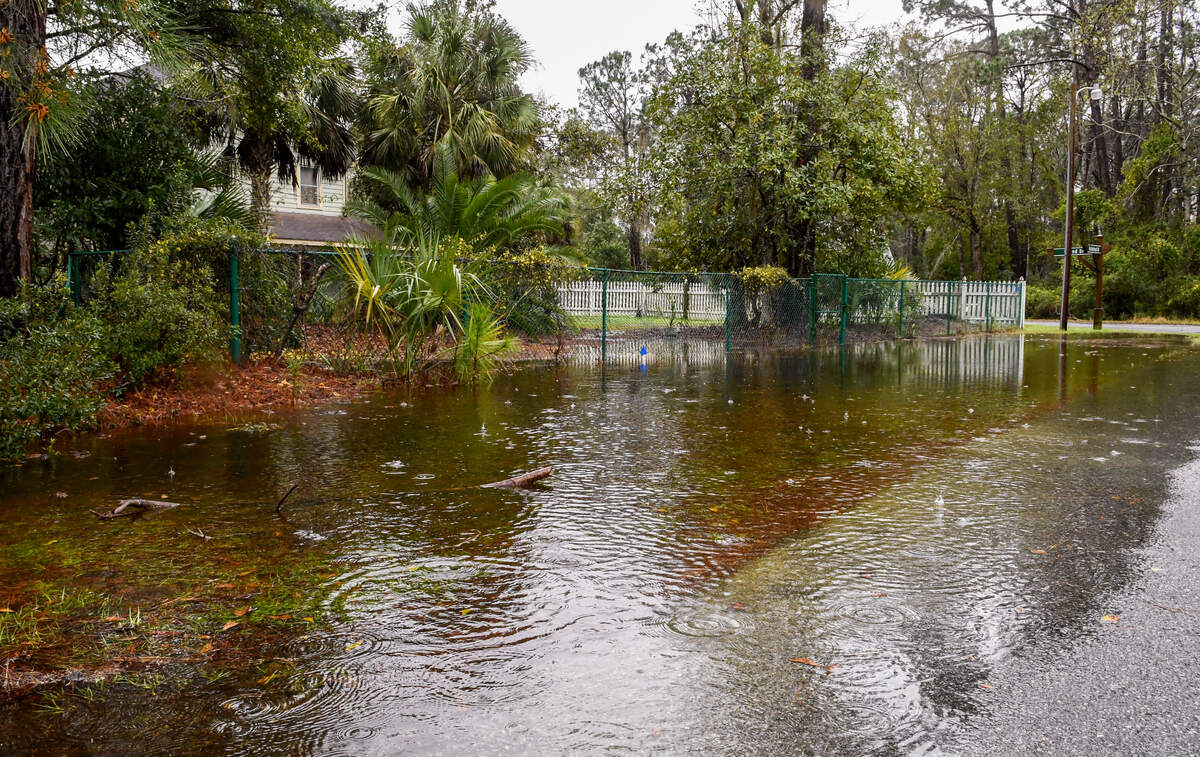
Are island residents dropping their flood insurance?
Shari Mendrick, Hilton Head Island’s floodplain administrator, has dealt with several clients who have dropped coverage over the years.
Hilton Head’s legacy flood maps from 1986 showed 75% of the island was in a high-risk flood zone. In 2021 when FEMA redrew the maps, the land area located in a high-risk zone plummeted to only 25%.
Mendrick asked what had changed and how she was supposed to convince residents to keep their policies, but she was left with no concrete answer.
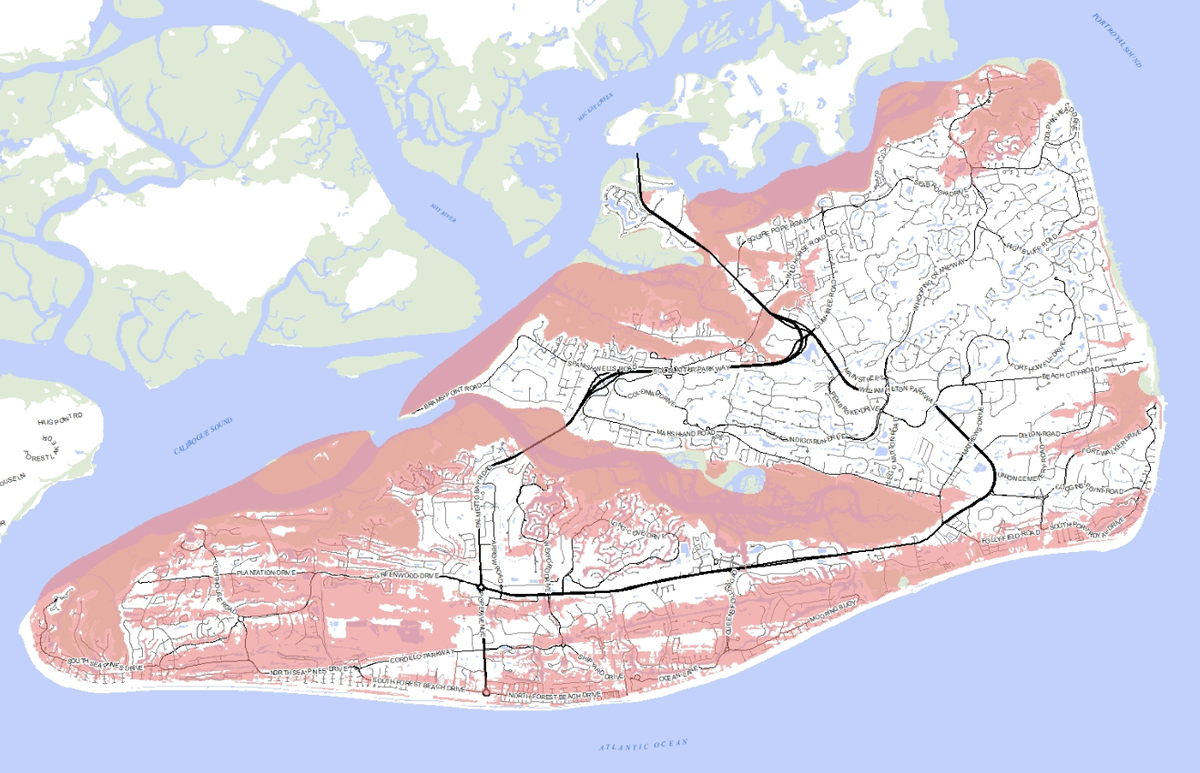
The island had roughly 23,700 National Flood Insurance Program policies in force in April 2024, and roughly two-thirds were in high risk zones. As of February 2026, Hilton Head had lost over 2,000 policies, but high-risk policies still made up roughly two-thirds, meaning the drop didn’t solely come from low-risk areas.
Between 2024 and 2025, Beaufort County, not including Hilton Head, lost about 950 NFIP policies, according to reports from the SC Department of Insurance. Private insurance uptake could account for some of the losses, but not all.
The island has a lot of retirees who moved here for a peaceful and quiet life, Mendrick said.
“Two-thousand dollars to $2,500 is a pretty big expense, and a lot of people have dropped their flood insurance,” she said. “It’s kind of scary.”
Hilton Head conducted a Repetitive Loss Area Analysis in 2024, which identified 25 areas on the island subject to frequent flooding. The analysis meant to help residents living in these areas determine their options for how to mitigate their property, including elevating their home.
But of those areas, a lot of them are not located in a high-risk flood zone under the new FEMA maps, Mendrick said, and they are not required to carry a policy with a mortgage.
Why are flood insurance premiums increasing?
Flood insurance is required for homes in a Special Hazard Flood Area (zones A & V) with a federally-backed mortgage.
The NFIP, operated by FEMA, has historically offered government subsidized flood insurance policies for property owners, renters and businesses aiming to reduce the financial risk of flooding by requiring strict floodplain management standards.
The NFIP covers up to $250,000 for the structural damage and $100,000 for contents. Private flood insurance, a fairly new option in comparison to the 1968 inception of the NFIP, typically offers more coverage and different pricing options for owners who want more protection than a standard policy.
Flood insurance premiums used to be based on what flood zone a home was located in and the elevation of the property. Until 2021, homes in the same type of flood zone paid similar premiums because specific characteristics like types of flooding, flood frequency and distance to a water source were not considered. Since then, FEMA has assessed homes based on a new model, called Risk Rating 2.0.
The NFIP owed $22.5 billion to the Treasury as of Dec. 31, 2025, meaning the program paid out more in claims than it was receiving in policy premiums. Risk Rating 2.0 attempts to match premium to risk.
“Previously, some policyholders with lower-value homes paid more than their actual risk warranted, while those with higher-value homes often paid less,” a FEMA spokesperson said. “While some policyholders experienced premium increases, hundreds of thousands of single-family homeowners are now paying less than they did under the legacy system.”
In 2024, South Carolina had 198,232 NFIP policies with an average annual premium of $695. In 2025, the number of policies fell to 193,541, but the average premium jumped to $743, according to annual reports from the SC Department of Insurance.
FEMA data indicated the average annual payment in 2025 for a policy in Beaufort was $1,142, Hilton Head Island was $913 and Port Royal was $888. The data does not factor rates from private insurers.
NFIP policies in force prior to 2021, when Risk Rating 2.0 began, are on a glide path. For polices that increased, their rates will continue climbing up to 18% to 25% a year until they reach their full, risk-based rate.
Lisa Sherrard, an agent for Choice Flood Insurance, said a homeowner with a current $2,000 premium with a $10,000 statutory discount could at some point pay up to $18,000 a year because of the gradual increases. Post-RR2.0 policies that are already at their full risk-rate are still going to increase up to 18% a year to adjust for inflation, she said.
“If this is your forever home, you need to look at what the cost of flood insurance is going to be,” she said.
Private flood insurers do not have a cap on price increases and can raise prices as they see fit. Sherrard said some policyholders switch back to the NFIP after realizing the frequent jumps. She has also seen policyholders cancel their flood insurance after paying their mortgage off to shake the extra cost, but she worries those policyholders don’t fully understand the risk.
What is Beaufort County’s true flood risk?
While FEMA maps and flood insurance rely on historical data to determine risk, First Street considers the impacts of climate change in its analyses. First Street Flood Model assesses flood risk across the country at a property level and does not determine risk solely by flood zone.
Communities like Harbor and Fripp islands face an extreme (highest) risk of flooding over the next 30 years, and Port Royal faces a severe risk, according to First Street.
Flood data for the entire Island is not available through First Street, but neighborhoods like Sea Pines, Palmetto Dunes and Hilton Head Plantation face extreme, severe and major risk of flooding, respectively.
Over 27,500 properties in Beaufort County have a major, severe or extreme risk of flooding. Only 17,827 are mapped in A and V flood zones, which prompt flood insurance coverage with a mortgage.
Beaufort County as a whole faces major risk, with 37,832 properties at risk of flooding over the next 30 years, which make up nearly 40% of properties in the county.
During Hurricane Florence in 2018, over 4,000 properties were impacted by flooding in the county. Hurricane Matthew damaged more than 7,000 properties in 2016.
According to South Carolina’s resilience and risk reduction plan completed in 2023, the low-lying nature of the state’s coastlines makes them more prone to compound flooding, or a combination of extreme tides, storm surge, heavy rainfall or riverine flooding.
In these areas, major damage is often associated with high tide flooding, which has increased in the U.S. by about 50% in the last 20 years, according to the state’s plan.
How is the island navigating increased flood risk?
There are some benefits already in place to help residents lower their flood insurance costs to motivate them to get coverage.
Communities participating in the NFIP can qualify for flood insurance discounts ranging from 5% to 45% through the Community Rating System, which reflect the area’s flood plain management practices that exceed minimum requirements.
Each community has a score 1-10, 1 having the highest discount and 10 having none. Beaufort County has score of 5, giving them an automatic discount of 25%.
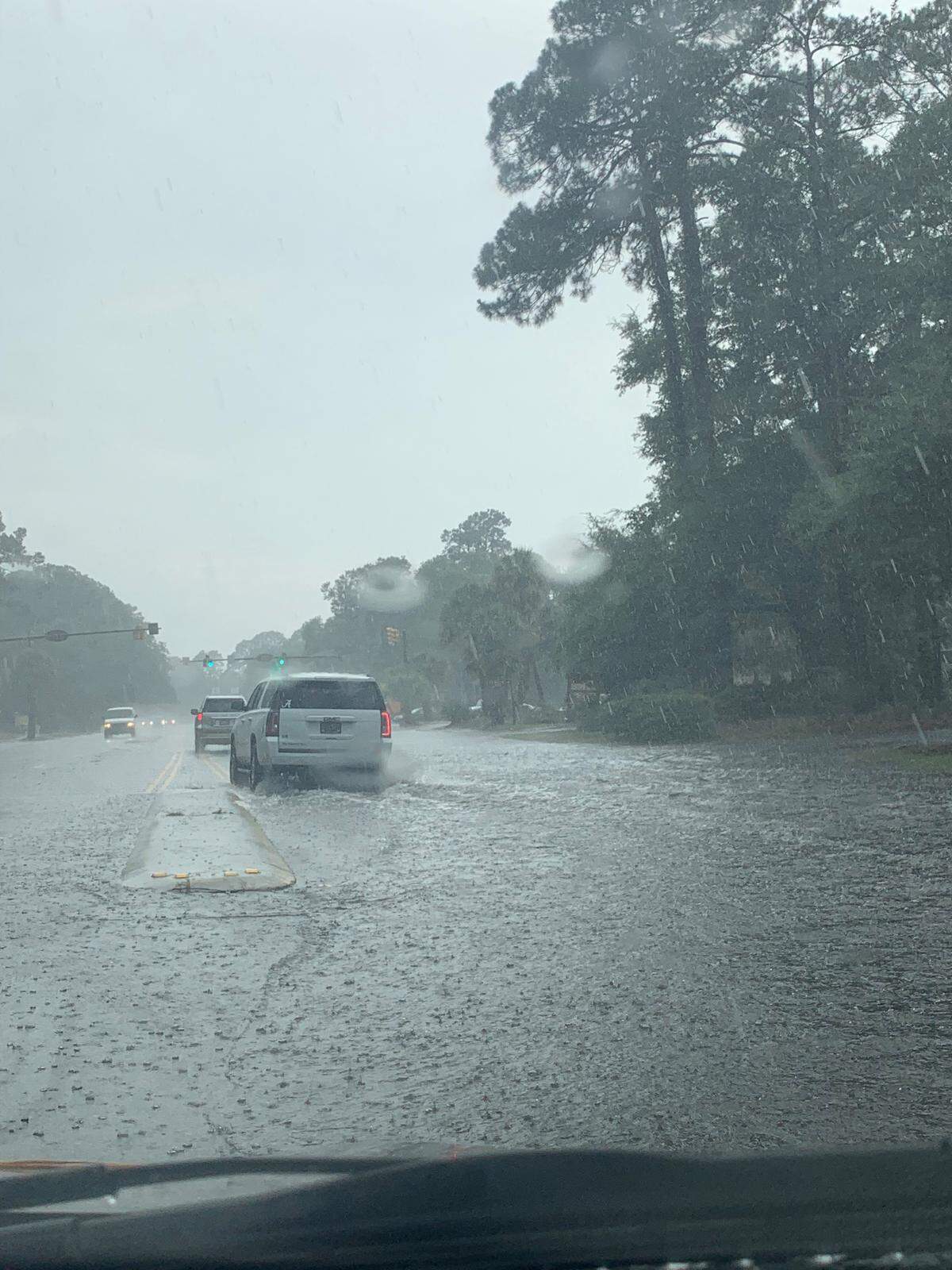
Individual municipalities sometimes vary from the county. Port Royal has a score of 9, meaning policies only qualify for a 5% discount. CRS discounts are automatically applied to NFIP policies.
Hilton Head’s discounts and mitigation planning can alleviate costs, but it doesn’t change how flood insurance is becoming more demanding. For some homeowners, that will mean paying more. For others, it will mean going without and hoping they won’t become an example of why coverage matters.