SC Volvo plant to add more jobs and car production. Here's when, how many new workers
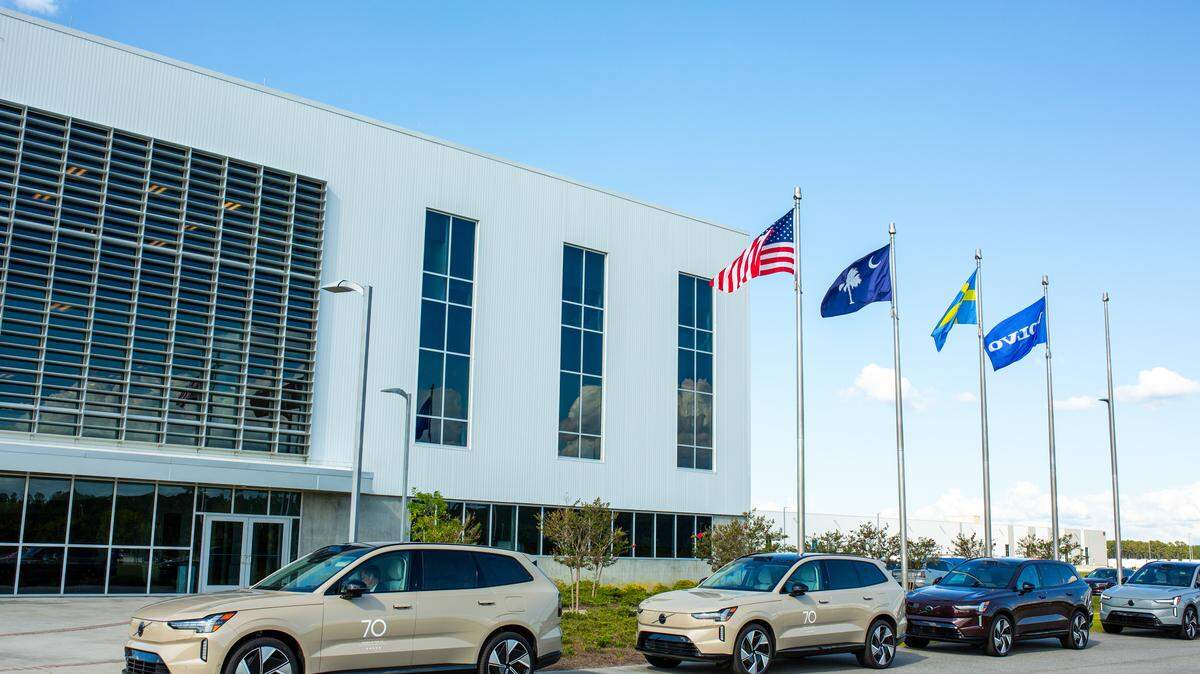
Volvo Cars is continuing to expand its operations at its Ridgeville plant in Berkeley County, with the recent announcement to add a new next-generation hybrid model to the production line before 2030.
This announcement comes two months after the plant released plans that it will also be adding its best-selling XC60 SUV model to the production line by late 2026.
The move is expected to double the plant’s workforce and marks a major step in the company’s long-term U.S. growth strategy and support production amid shifting global trade dynamics.
Currently employing 2,000 people, Volvo’s Ridgeville facility will ramp up hiring in the coming years to help meet a target of roughly 4,000 workers — an obligation tied to more than $200 million in state and local economic incentives.
Here’s what we know about the addition of the new car and what it means for South Carolina.
More cars, more jobs
Volvo’s decision comes as the company looks to localize production of high-demand vehicles.
The company states that the Ridgeville plant now produces less than 5% of U.S. sales volumes, but that within five years, the goal is for the facility to produce more than 50%.
The yet-to-be-named hybrid model, expected before the end of the decade, is being designed specifically for U.S. customers, Volvo states, although details remain limited regarding the make and model of the car.
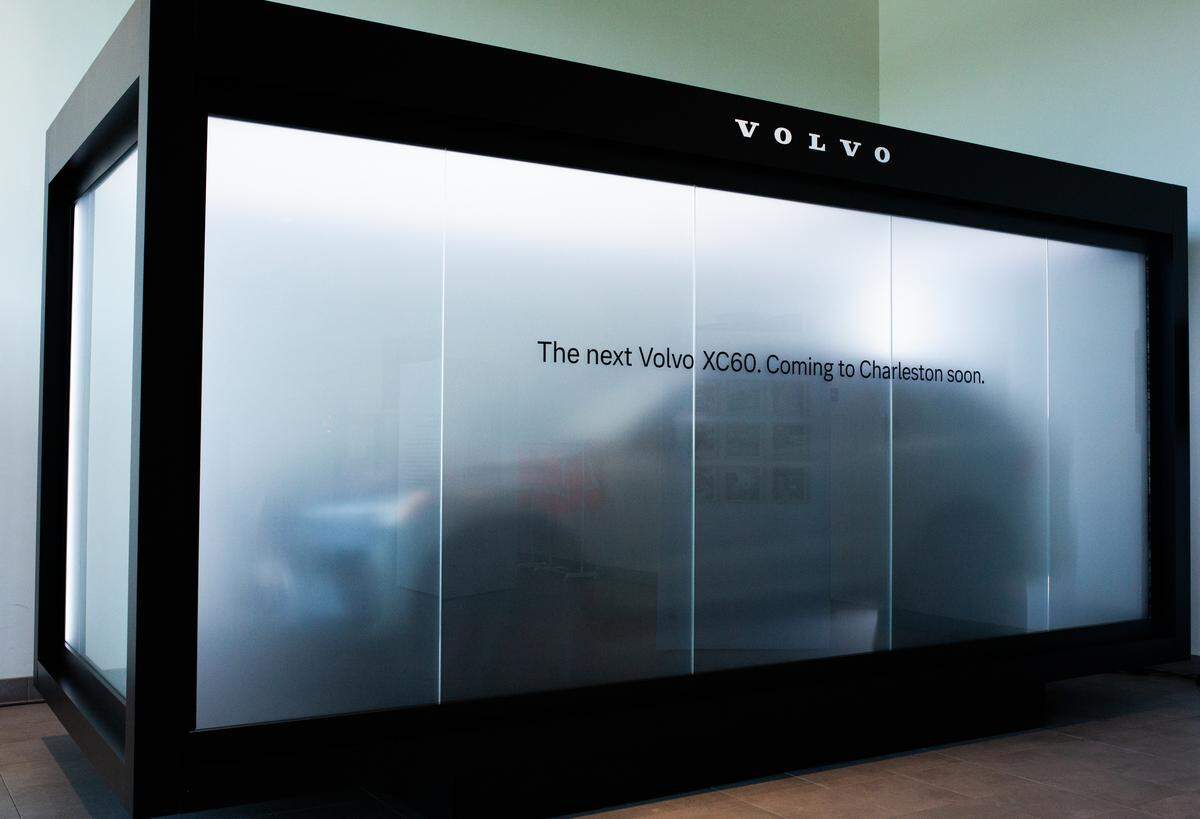
The XC60, which is set to start production by 2026, is one of Volvo’s most popular models in the U.S. market. Volvo states that 27,000 units were sold thus far in 2025 — roughly a 20% increase from 2024.
The Ridgeville plant, which has a production capacity of 150,000 cars per year, currently makes the all-electric Volvo EX90 and the Polestar 3 SUV. The addition of these two new models will push the plant closer to full production capacity and secure more local jobs.
A shift in global trade
The expansion of both the XC60 and the new hybrid model comes amid shifting global trade dynamics.
Imported vehicles from European nations now face a 15% tariff rate in the U.S., which is an improvement from the former set rate of about 25%.
Still, Volvo’s plans to ramp up production at the Ridgeville plant allow it to mitigate any impact of present or future trade changes, particularly for its high-volume models like the XC60, which is currently built in Sweden and China.
Volvo also states that they have a long-held “build where we sell” strategy, which complements the decision to bolster their South Carolina production.
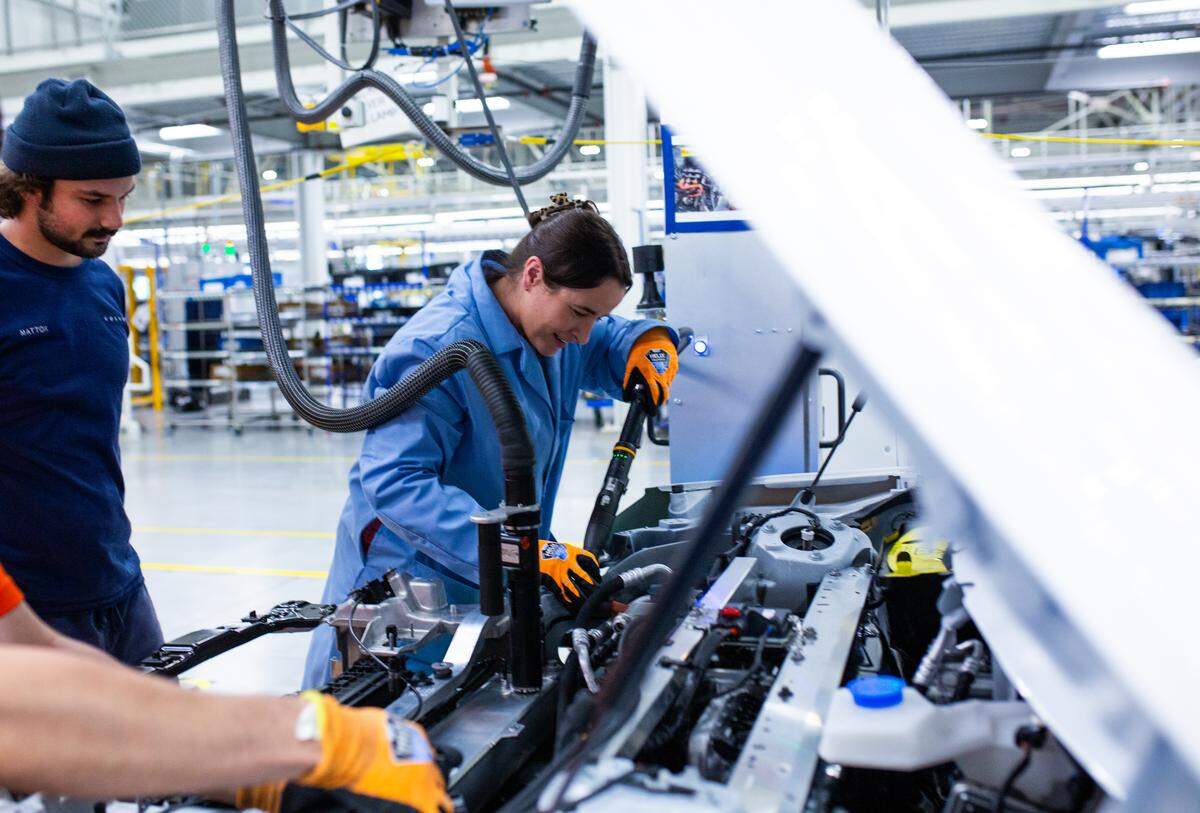
About the Ridgeville plant
Since breaking ground in 2015, Volvo has invested more than $1.3 billion in the Ridgeville plant.
Recent investments include a state-of-the-art battery pack assembly line and upgrades to the body and paint shops.
The plant began production in 2018 with the S60 sedan, which was discontinued in 2024 due to low demand. The facility pivoted toward electrified vehicles, beginning production of the EX90 SUV and later the Polestar 3.
Volvo Cars was founded in 1927 and now boasts about 42,600 employees worldwide. Headquartered in Sweden, Volvo has additional production plants in Belgium and China.