Beaufort County resident dies from mosquito-borne virus — first SC death in 20+ years
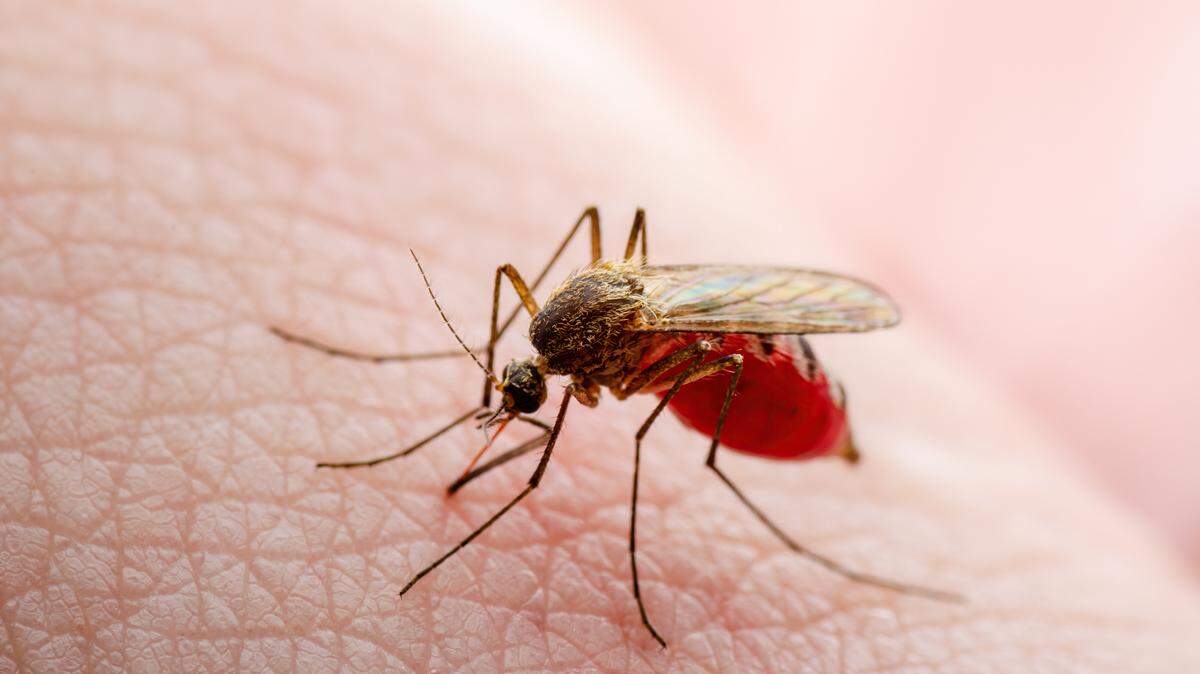
A Beaufort County resident died this week after contracting a rare mosquito-borne virus — the state’s first such death in more than 20 years — state health officials announced Friday.
The resident’s death was caused by eastern equine encephalitis, or EEE, and is the first human case reported in South Carolina since 2020 as well as the first state fatality since 2003, according to a state Department of Public Health press release. The virus is spread through the bite of an infected mosquito and cannot be transmitted from person to person.
“While cases of the virus in people are extremely rare, the effects can be very serious to those who are infected,” Dr. Edward Simmer, interim DPH director, said in the press release. “We encourage everyone to take action to reduce the risk of mosquito bites, including eliminating mosquito breeding sites.”
EEE can cause fever, brain inflammation or meningitis. About 30% of people who develop the severe disease die, and many survivors suffer lasting neurological problems, according to the Centers for Disease Control and Prevention. There are no vaccines or specific treatments available for the virus.
No personal details — including name, age or the exact location of the infection — are being released to protect the resident’s privacy, Beaufort County spokesperson Hannah Nichols said.
How to protect yourself
The American Mosquito Control Association recommends wearing long sleeves, pants and light-colored, loose-fitting clothing when outdoors, as well as using an EPA-registered repellent such as DEET, picaridin, oil of lemon eucalyptus or permethrin-treated clothing to avoid mosquito bites.
Beaufort County echoes these precautions, with Nichols adding to “make sure you don’t have any standing water in your yard or in containers.” Mosquitoes can multiply in any standing water that remains for more than five days.
In response to the death, Beaufort County Mosquito Control has also carried out multiple truck-based spraying applications near the resident’s area and plans to add helicopter spraying for broader coverage, according to the press release. Traps will also be placed to test for the virus. So far in 2025, no EEE-positive mosquitoes have been detected near the site of the human case.
Across the state, 10 horses have tested positive for the EEE virus this year: three in Aiken County, two in Colleton County, one in Horry County, one in Jasper County, one in Orangeburg County and two in Sumter County.