Raccoons can leave a nasty, dangerous surprise at your SC home. Here’s what and how to deal with it
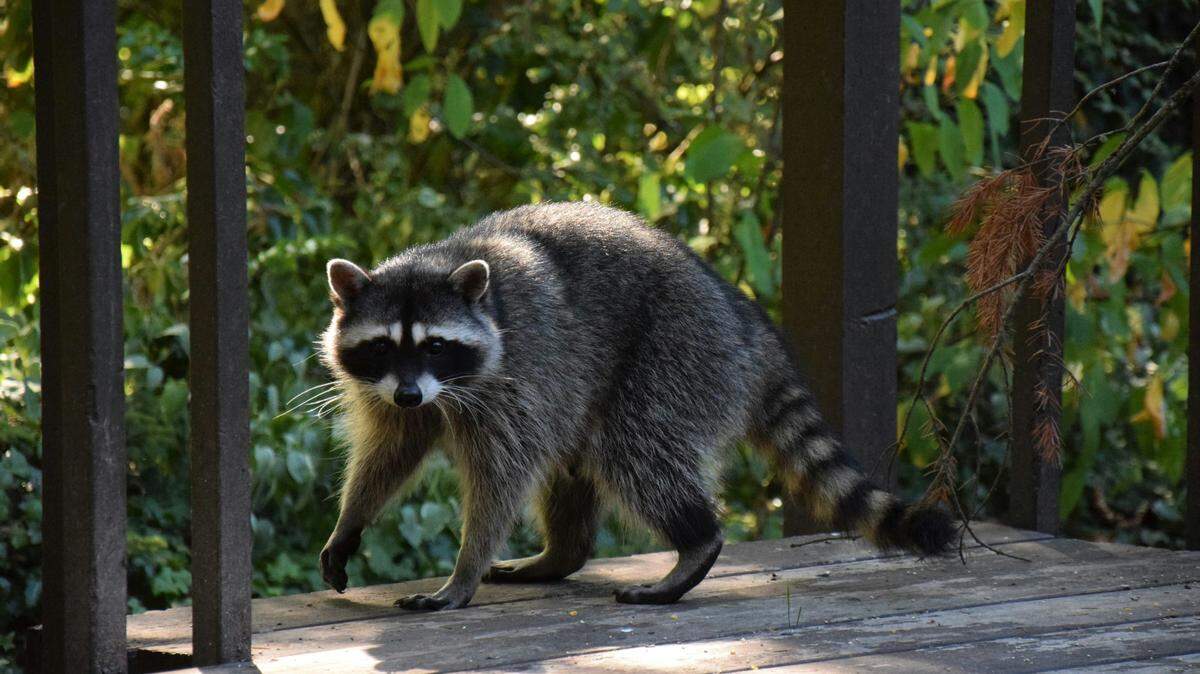
Raccoons are a familiar sight in the South Carolina Lowcountry.
With their distinct paws, bandit-like masks and nocturnal nature, they often seem curious and even amusing — but when they start appearing in your yard, attic or trash cans, they can quickly become a nuisance.
Understanding their habits, why they get into homes and what to do if you see one are key to staying safe and keeping your home critter-free.
Here’s what to know about raccoons in the Lowcountry and best practices to keep them away from your space.
Habits of Lowcountry raccoons
The South Carolina Department of Natural Resources states that raccoons are widespread throughout South Carolina, but their populations are densest along the coast, including the Lowcountry’s marshes, swamps and wooded streams.
Raccoons thrive in areas like coastal marshes and swampy forests, particularly in mature areas where trees and aquatic food sources abound.
Primarily nocturnal, raccoons have a diverse diet including crayfish, frogs, snails, turtles, clams, and small amphibians. They will snack on plant material too, like acorns, berries, and wild grapes.
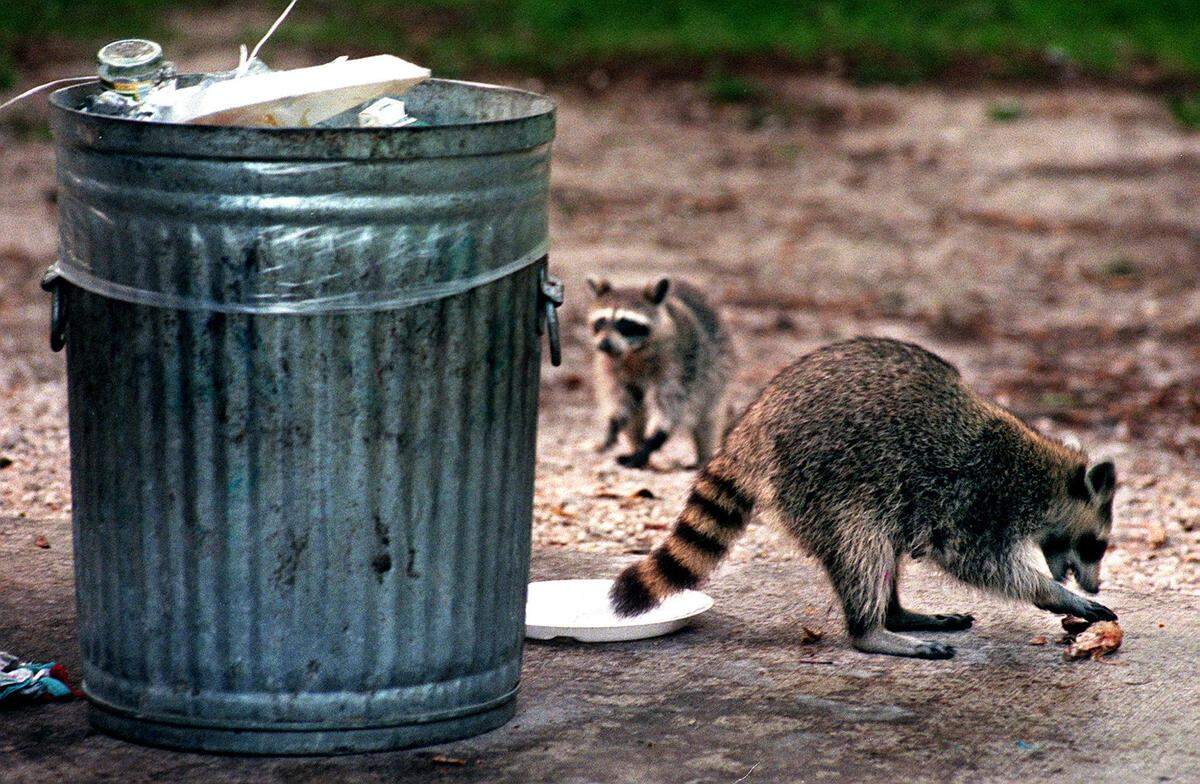
They are also notorious for raiding bird nests and scavenging household garbage.
Raccoons typically breed between January and March. They are active year-round and do not truly hibernate in the winter months, but they “hole up” in dens and become inactive during severe winter weather.
Why raccoons get into homes and yards
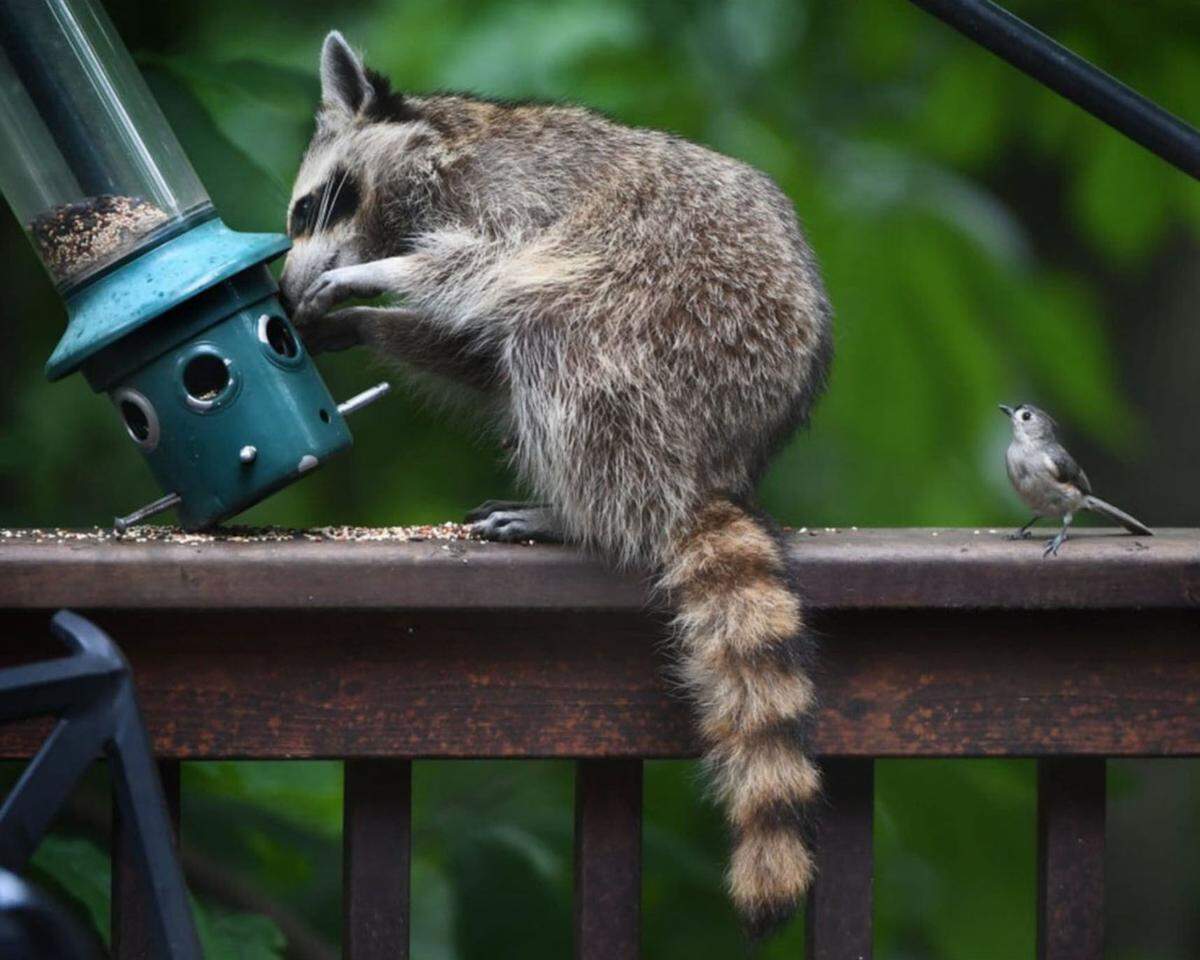
Raccoons will often sneak into attics, yards and trash cans in search of shelter or food, unaware that trash cans, gardens, bird feeders and chimneys aren’t intended for them.
Critter Control, a national wildlife and pest control company founded in 1983, states that common reasons raccoons enter homes and businesses include:
- Unsecured trash or pet food: Easily accessible food source.
- Warm shelter: Attics, chimneys and crawl spaces offer safe nesting spots, especially in winter.
- Weak entry points: Raccoons can squeeze through small gaps in roofs or vents.
- Water sources: Birdbaths, pet bowls and leaky pipes provide easy hydration.
Tips to keep raccoons out
Preventing raccoon problems starts with removing the attractions.
The Humane World for Animals, a global nonprofit organization that focuses on animal welfare, provides these strategies for raccoon-proofing your home:
Secure trash and food
- Invest in a wildlife-proof trash can or one with locking lids.
- Secure lids with bungee cords, ropes or weights.
- Store trash in a shed or garage until pickup day.
- Freeze especially smelly items, like fish, between pickups.
Limit pet contact
- Avoid feeding pets outdoors, or remove food immediately after meals.
- Supervise dogs outside and keep cats and small pets indoors.
- Keep your pets’ vaccinations up to date.
- Avoid using pet doors, or use microchip-enabled smart doors that only open for your pet.
- If your pet does come into contact with a raccoon, contact your veterinarian.
How to raccoon-proof your home
- Seal any gaps in roofing, vents and crawl spaces.
- Install chimney caps and secure attic vents.
- Eliminate water sources like open bowls, birdbaths or dripping faucets.
- The SCDNR recommends Ro-Pel, a repellent that is applied directly to surfaces to keep chewing animals, including raccoons, from causing damage.
You should avoid intentionally touching, feeding or handling raccoons, as they will bite if they feel threatened and often carry diseases like rabies.
Signs your home may have a raccoon problem
If you’re hearing noises in the attic or noticing odd smells or droppings, you might be dealing with an uninvited guest. The Humane World for Animals states that homeowners should look for:
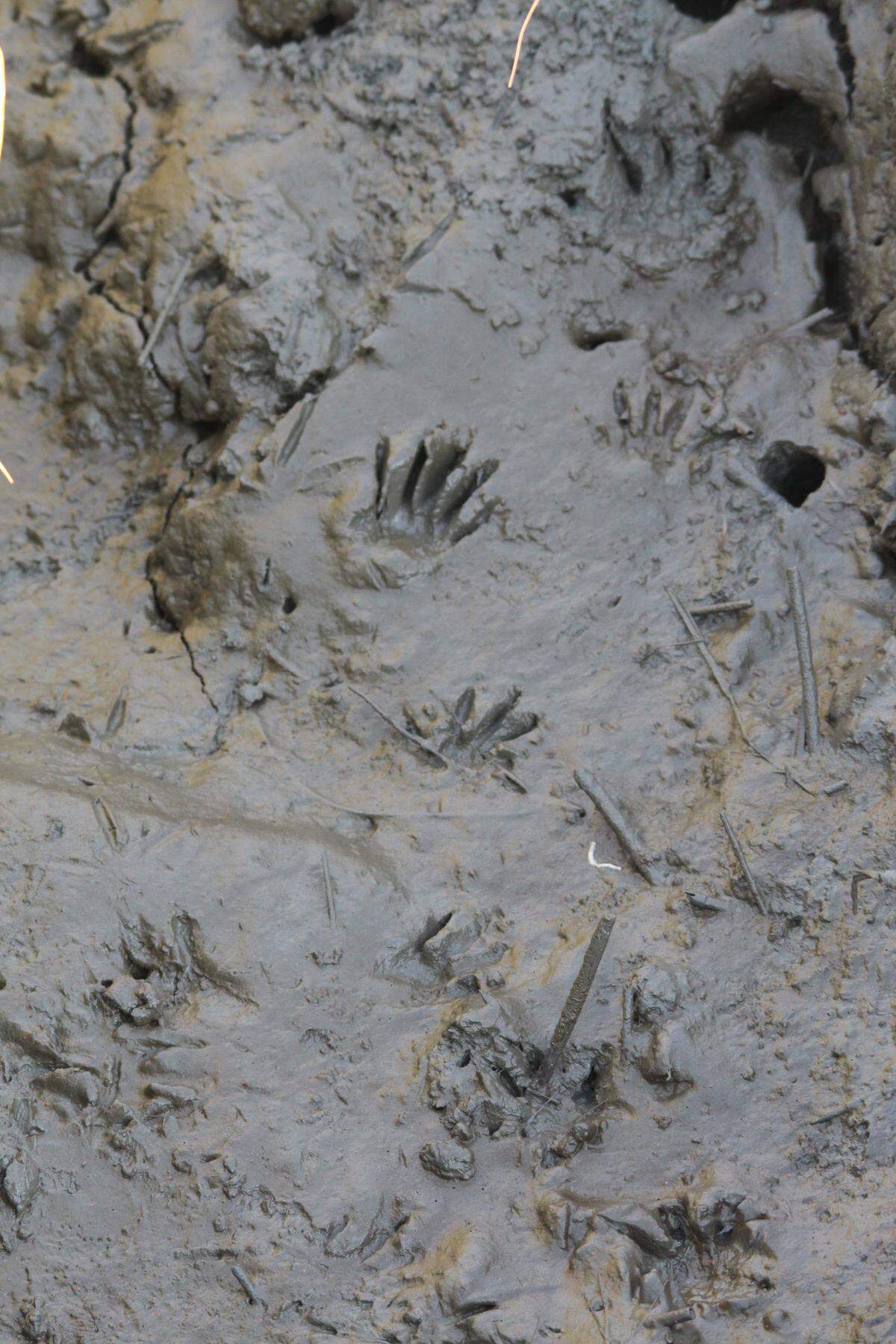
- Hand-shaped tracks in mud or dust.
- Oily smudges, fur or scratches near vents or openings.
- Sooty paw prints around chimneys or gutters.
- Chittering or crying sounds, especially at night.
- Scat left in repeated latrine sites.
Do raccoons present any danger?
Latrine sites
Raccoons create latrine sites, a special place where they go to the bathroom. They tend to reuse the space, which poses a hazard from the accumulation of toxins from feces and urine.
Outside, latrine sites are usually on logs, stumps, tree bases, or around fence lines. Raccoons will also sneak into areas under your porch or other small spaces in garages or attics.
If you notice a latrine site, it is important to remove it, as it can expose you or your pets to diseases, including leptospirosis and raccoon roundworm.
Critter Control recommends these steps for cleaning outdoor latrine sites:
- Remove it using a shovel or inverted plastic bag, then either burn, bury or double-bag and place in the trash to be sent to a landfill.
- Treat surfaces with boiling water to kill parasites like roundworm eggs.
- Disinfect hard, smooth surfaces (including shovel blades) with boiling water.
- Wash your hands thoroughly with soap and warm running water.
- Clean and wash your clothes thoroughly using hot water and detergent.
The Centers for Disease Control and Prevention recommends these steps for removing a latrine site that is in an indoor space:
- Lightly mist the latrine area with water from a spray bottle.
- Remove any feces and contaminated material using a shovel or inverted plastic bag, then either burn, bury or double-bag and place in the trash to be sent to a landfill.
- Use a damp sponge to wipe the area and rinse frequently into a bucket of hot, soapy water.
- After you have cleaned the area, flush dirty water down the toilet.
- Disinfect the bucket with boiling water and discard the sponge in a plastic bag.
- Wash your hands well with soap and warm running water.
- Clean and wash your clothes thoroughly with hot water and detergent.
If raccoons appear to have occupied the space for a long time and feces have accumulated, you can also hire professionals to safely clean the area.
Rabies
South Carolina has had over 20 rabid raccoons across the state in 2025, according to Sept. 1 data by the South Carolina Department of Public Health.
To recognize if a raccoon may be infected, look out for these signs:
- Partial paralysis or inability to use their limbs well
- Circling or staggering
- Repeated high-pitched vocalization
- Self-mutilation
- Acting aggressively for no reason
Contact a licensed wildlife control professional or the SCDPH office if you see a raccoon exhibiting these signs. If you made contact, seek medical attention immediately.