Here’s how to identify the many kinds of stinging wasps in the SC Lowcountry & keep them away
Ouch! Have you taken a walk outside and gotten a surprise sting from an unfriendly flying critter?
From Yellow Jackets to Mud Daubers, these pesky insects can’t go unnoticed, no matter if you’re enjoying a morning coffee on the porch or taking a stroll outside.
The warm, humid temperatures, year-round vegetation and moist coastal environment of South Carolina’s Lowcountry create the perfect nesting conditions for wasps, making it no surprise they like to call the Lowcountry home.
Here’s what to know about some of the different kinds of wasps in the Lowcountry, how to avoid stings and when to tell it’s time to call the pros.
Wasps of the Lowcountry
Yellow Jackets are easily identified by their bright yellow and black coloring. They are known for being aggressive, especially when defending their nests. These wasps often live in large colonies and are protective of their nest.
In contrast to Yellow Jackets, Mud Daubers are generally non-aggressive. Recognizable by their long, slender bodies, these solitary wasps build tube-like nests out of mud. While they may look intimidating, Mud Daubers are not considered dangerous unless provoked and rarely sting.
European Hornets are larger than most wasps and can deliver a more painful sting. Although not as aggressive as Yellow Jackets, they will fiercely defend their nests. Their sheer size and strong territorial behavior make them a significant threat when disturbed.
These insects have a large, bulky build compared to other species. They’re a bluish or black color with pale markings on their bodies. Baldfaced hornets also build papery nests, and these nests are usually an oblong shape. Their nests tend to be built in open areas that they can easily guard. They are known to be highly aggressive and can attack in large numbers.
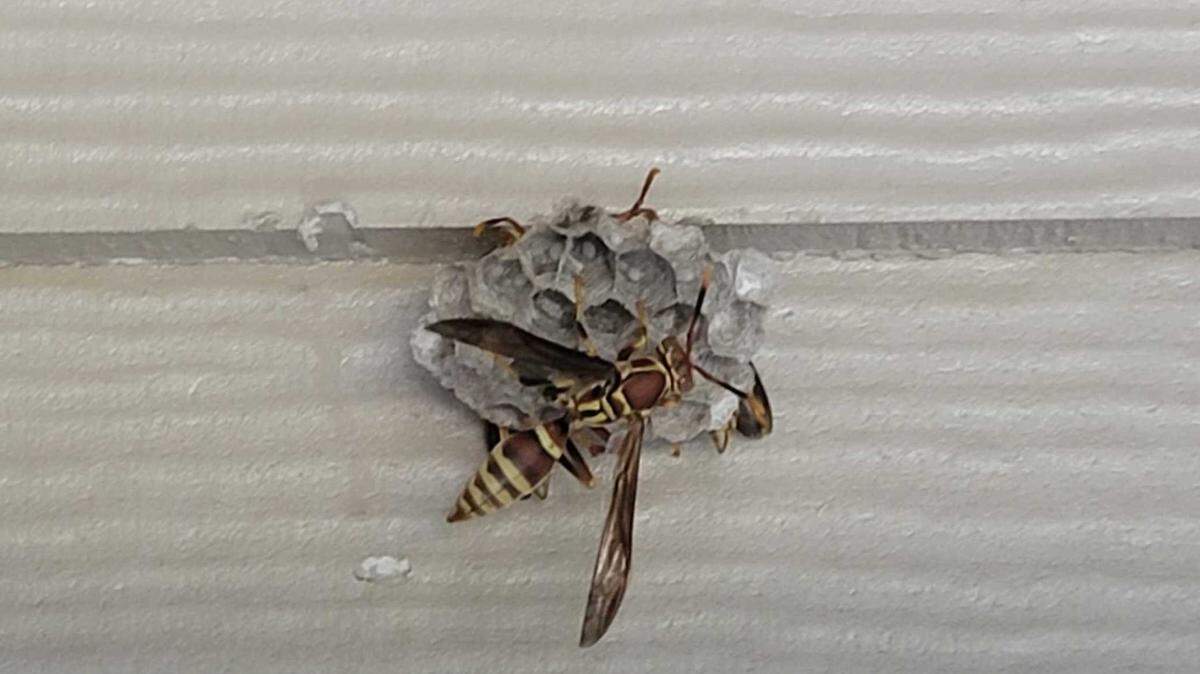
South Carolina’s native Paper Wasps are about an inch long, with shiny, slim bodies and long legs that dangle as they fly. They often build umbrella-shaped nests from a paper-like material in attics or along home edges. While they are less aggressive than Yellow Jackets and hornets, they still sting when their nest is threatened.
Warning Signs for Spotting a Wasp Problem
Island Pest Control states that if you see a nest, that is one of the best indicators of a wasp problem. Look for nests in protected spots such as:
Under roof eaves
In attics or garages
Inside wall voids
Beneath porch ceilings
Increased activity and a rise in wasp sightings near food, trash or certain entry points may indicate a nearby nest, too.
How to Avoid Stings
Island Pest Control offers these tips to avoid wasp stings:
Avoid strong scents, especially fruity or floral ones that may attract stinging insects.
Keep sugary foods and soda drinks safe and covered.
Watch what you wear, most bright colors and floral patterns attract insects.
If a bee or wasp is near you, avoid swatting or running as the movement can agitate the bugs.
If you have the unfortunate experience of being stung, these are some common symptoms you may experience, according to Johns Hopkins Medicine:
Pain
Swelling
Redness
Itching
Warmth
Raised, itchy skin bumps (hives)
To treat a local skin reaction, it is recommended to:
Remove the stinger by gently scraping across the site with a blunt-edged object. Don’t squeeze or try to pull it out, as this may release more venom.
Wash the area well with soap and water.
Apply a cold pack or ice pack wrapped in a clean, thin cloth to help reduce swelling and pain.
If the sting is on an arm or leg, keep the arm or leg raised to help reduce swelling.
If you want to reduce pain and swelling, antihistamine, corticosteroid cream or calamine lotion may help. Acetaminophen or ibuprofen can also be used to reduce pain.
Some serious reactions to stings that may indicate allergic reactions, anaphylaxis, or serious medical problems include:
Coughing, wheezing or difficulty breathing
Tickling in the throat
Tightness in the throat or chest
Nausea or vomiting
Abdominal pain
Hoarse voice
Trouble swallowing
Dizziness or fainting
Sweating, anxiety or rapid heartbeat
Hives over a large part of the body
If you notice any of these symptoms, seek emergency medical help immediately.
Wasp Prevention Tips
Vinx Pest Control, based in Charleston, provides these tips for wasp prevention:
Inspect and seal cracks around doors, windows, vents and chimneys.
Install door sweeps and thresholds.
Regularly check for exterior damage.
Use sealed trash bins.
Store pet food and birdseed in airtight containers.
Clean up food spills quickly.
Essential oils like peppermint, lemongrass and clove can be used to deter wasps.
Plant wasp-repelling herbs such as mint, basil and chamomile.
To remove these pests on your own, you can spray the nest with an insecticide to kill the insects. After you’ve treated the nest and are sure there all the stinging insects are dead, you can use a broom or similar tool to knock it down.
Although it is not recommended to remove a wasp nest by yourself, since most wasps and hornet species are protective of their nest and will sting if they feel threatened, often in large groups.
If you suspect a wasp nest either inside or outside of your home, it is best to contact a professional to remove it.