Is the ocean too hot for swimming? How to stay safe at Hilton Head beaches as temperatures rise
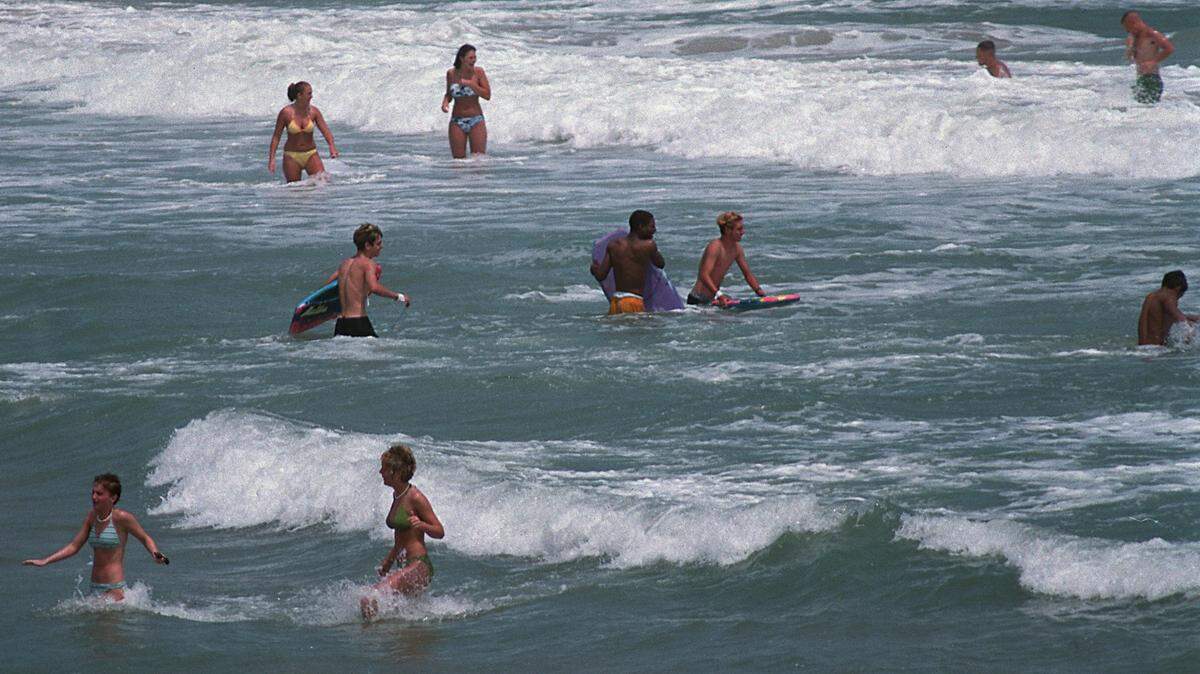
Summer is here and with hotter temperatures making their way across the Lowcountry, beach days and poolside afternoons are a given.
While this week has brought a wave of weather alerts and heat warnings cautioning those to stay safe and cool, sometimes putting on sunscreen and a loose-fitting shirt isn’t enough when you’re spending time outside.
If you’re planning to take a dip, it’s important to keep in mind that warmer waters can pose health risks too.
Here’s everything to know about water temperature, how it can impact those susceptible to heat illness and the best ways to stay safe.
What water temperature is too hot for swimming?
USA Swimming recommends that athletes and swimmers swim in waters between 60.8 and 85 degrees Fahrenheit.
Even with these temperature recommendations, age does play a role in determining your susceptibility to heat illness. The American Red Cross offers the following guidance for how long each age group should stay in warmer waters.
These guidelines were based on a study from controlled indoor pool environments, but any body of water that is too hot can lead to overheating and discomfort:
Infant and preschool swimmers: 20-30 minutes in waters up to 89.6 degrees
Ages 6-15 swimmers: 30-45 minutes in waters up to 84.2 degrees.
Ages 11-14 swimmers: 45-60 minutes for low intensity activity in waters 84.2-89.6 degrees. For intense activity, stay in waters 78.8-82 degrees.
Ages 16-55 swimmers: 1-2 hours for low intensity activity in waters 84.2-89.6 degrees. For intense activity, stay in waters 78.8-82 degrees.
What is the ocean temperature right now?
Ocean buoys are a tool used to provide data on winds, air pressure and water temperatures.
Here are the water temperatures from buoys off the Georgia and South Carolina coast, according to the National Data Buoy Center by NOAA, as of 10 a.m. on Wednesday, June 25:
- Fort Pulaski, GA: 85.6 degrees
- Fripp Nearshore: 83.1 degrees
- Charleston: 84.4 degrees
Hot sand can also cause concern. According to the National Institutes of Health, when air temperatures rise to 90 degrees or higher, sand can be over 120 degrees, causing discomfort and burns.
If you’re planning to swim in a pool, the easiest way to check the temperature of the water you’re about to step in is by using a floating thermometer.
These can be purchased either online or in-store for roughly $10. You can find them at locations including Amazon, Home Depot, Lowe’s, Ace Hardware and Walmart.
Some pools may already have thermostats in place that you can check, and the NOAA buoy data is updated often, providing information on nearby water temperature.
How to stay safe & identify symptoms of heat exhaustion
To stay safe, the South Carolina Department of Public Health recommends wearing loose and light colored clothing, staying hydrated often, taking frequent breaks in shady areas, wearing sunscreen and monitoring those at risk.
These are some of the symptoms of heat exhaustion to look for, according to the Red Cross:
- Dizziness
- Fainting
- Elevated heart rate
- Inability to walk or stand
- Nausea or vomiting
- Loss of appetite
- Signs & symptoms of dehydration
- Fatigue
- Heat cramps
- Elevated respiratory rate
- Cool, clammy, pale, gray or slightly flushed skin
- Weakness
The Centers for Disease Control and Prevention states that the elderly, people with chronic illnesses, homebound people and children under 5 are at higher risks of heat-related illness. Pets are also at higher risk of experiencing heat issues.
If you notice anyone exhibiting symptoms of heat exhaustion or illness, specifically those who are dizzy, fainting, can’t walk or stand, vomiting, dehydrated or are unable to take fluids, call 911 for assistance.
For additional information on heat exhaustion, safety and prevention tips, click here.