These are the kinds of sharks that swim at Hilton Head beaches and how to best avoid bites
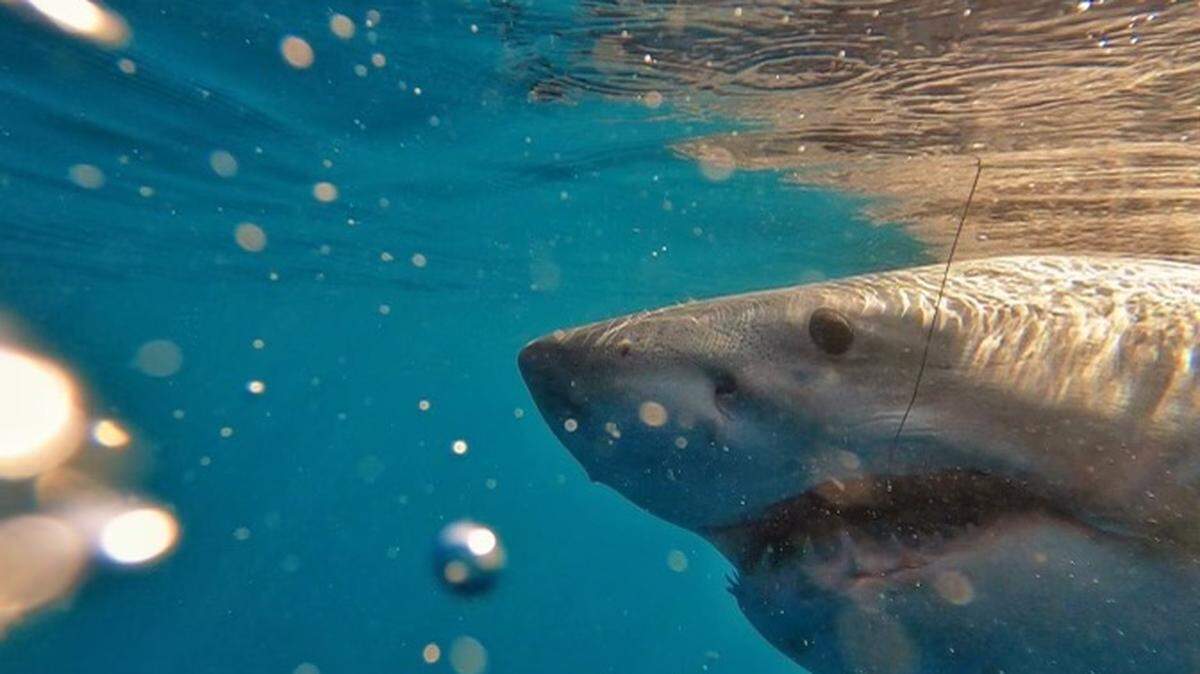
Hilton Head Island’s beautiful beaches attract thousands of visitors each summer, but they’re not the only ones drawn to the surf.
The warm coastal waters are home to a wide variety of shark species that enjoy taking a dip in the ocean too.
While shark encounters are usually sparse, two recent shark bite incidents prove that it’s helpful for swimmers and beachgoers to understand what types of sharks might be nearby, how to reduce the risk of bites and how Hilton Head lifeguards are trained to keep people safe.
Here’s what beachgoers this summer should know about the kinds of sharks in Hilton Head’s waters and ways to stay safe in the sun.
Types of sharks found near the shore
As many as 40 shark species may pass through South Carolina’s waters, depending on the season and water depth.
Even though the shark population is ever changing throughout the year, beachgoers at Hilton Head may encounter around 14 species inshore during the summer months.
“Shark activity has jumped this year, and their presence right now is thick,” said Chip Michalove of Outcast Sport Fishing.
Michalove says that several types of sharks commonly swim within a few miles of the beach, while others tend to stay farther out.
Some of the more recognizable species you may spot close to the shore include:
Blacktip Shark: Growing up to 6 feet, these energetic sharks are known for breaching the water while feeding.
Lemon Shark: Named for their yellow-brown coloring, lemon sharks can be spotted close to shore, especially in shallower flats.
Atlantic Sharpnose Shark: Maxing out around 4 feet in length, these smaller sharks are common in shallow waters.
Bonnethead Shark: A close relative of the hammerhead, bonnetheads can reach about 5 feet and are often seen inshore.
Finetooth Shark: Similar to the Sharpnose, but has a more pointed snout, longer gills and are a bluish-gray color.
Sharks that are often farther offshore include:
Tiger Shark: One of the larger coastal sharks, tiger sharks are more solitary and tend to remain farther offshore, but may venture closer to beaches during feeding periods.
Sandbar Shark: These are one of the largest shark species found in coastal waters. Sandbar sharks prefer sandy or muddy areas, sticking true to their namesake.
Bull Sharks: Known for their stocky build and ability to tolerate freshwater, bull sharks are powerful predators found closer to river mouths and estuaries.
Hammerheads: These sharks prefer coastal, oceanic waters and make limited movements into the mouths of sounds and estuaries. They are often found over muddy bottoms in areas with high concentrations of prey.
For common shark species seen near the shore, like Blacktips, they are often searching for schools of menhaden fish, known for their silver color.
“Blacktips are the ones most likely to bite,” Michalove said. “Right now, since activity is up and they’re in large numbers, they can be more aggressive.”
For a full list of sharks that have been spotted off the South Carolina coast, click here to view the South Carolina Department of Natural Resources’ sharks and rays detection results page.
Shark safety: Tips to avoid bites
“Shark bites are extremely rare events,” said Bryan Frazier, principal investigator of shark research with the SCDNR. “In South Carolina, we average about four to five bites a year.”
While shark bites are rare, two back-to-back shark incidents have raised some questions about how to stay shark smart on the beach.
Here are some simple precautions to take when getting in the water:
Avoid swimming at dawn or dusk, when sharks are most active.
Stay in groups; sharks are more likely to approach a solitary swimmer.
Don’t wear shiny jewelry or clothing as the reflections can resemble fish scales. Yellow, white and silver colors are most attractive to sharks.
Avoid swimming near schools of fish.
Avoid areas where birds like pelicans are diving into the water.
Stay away from where someone is fishing near the beach.
Refrain from excessive splashing, which can attract a shark’s attention.
If shrimping boats are nearby, avoid that area of water.
Heed warnings from lifeguards and always follow their instructions.
If you do spot a shark, it’s recommended to calmly exit the water and inform a lifeguard.
How Shore Beach Service keeps beachgoers safe
Shore Beach Service and its lifeguards play a vital role in shark safety and are trained to spot shark activity and protect the public. This includes:
Monitoring for signs of shark presence, such as fish jumping or seabirds diving.
Alerting beachgoers by blowing whistles and raising red flags when a shark is spotted.
Clearing the water after a sighting to ensure safety.
Responding to incidents or injuries.
If you notice any of these signs that may indicate shark activity, let the lifeguards on the beach know.
If a shark bite occurs, lifeguards are trained in emergency response and first aid, following guidelines from the United States Lifesaving Association, of which Shore Beach Service is a member.
If you are bitten, remain calm, get to shore and seek medical attention immediately.
While the presence of a shark can seem intimidating, they are a natural part of Hilton Head’s ocean ecosystem and a sign of a healthy marine environment. By understanding the types of sharks, recognizing signs of activity and following safety guidance from lifeguards, you can stay safe and informed during your beach day.
This story was originally published June 25, 2025 at 6:00 AM.