Want chickens or beehives in your back yard in Bluffton or Hilton Head? Here are the rules
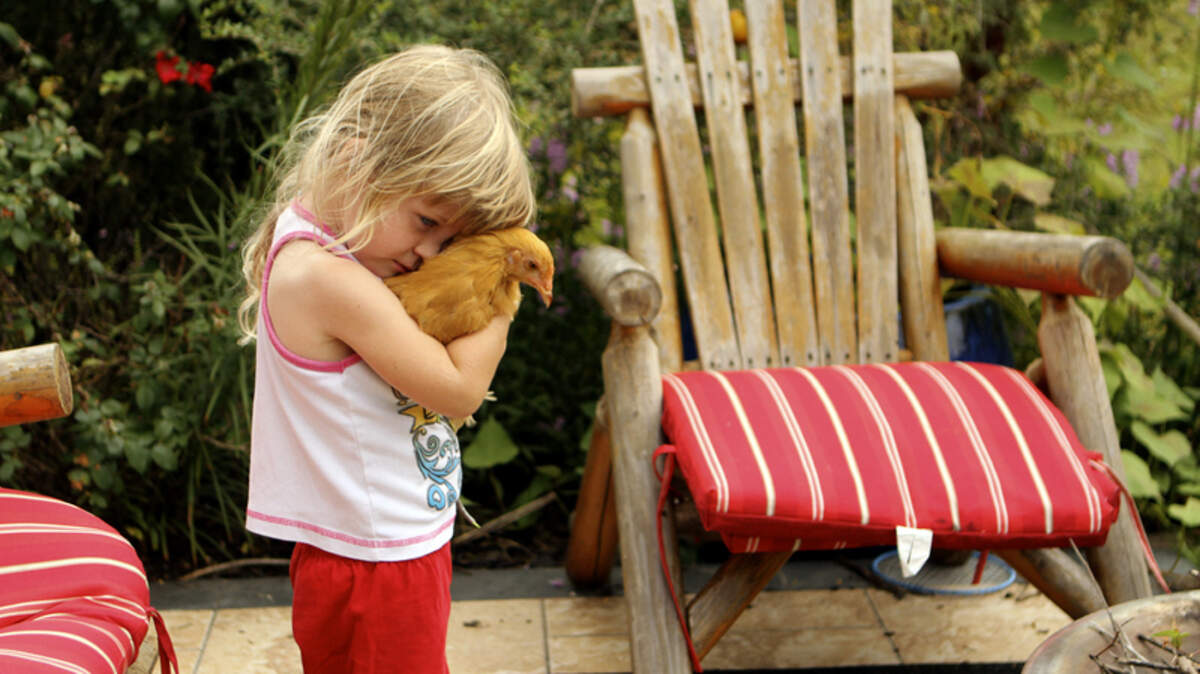
Thinking about going green in your backyard?
With big trends and buzz words like sustainability, homesteading and “green” living making the rounds online, there can be confusion around the rules.
From local ordinances, state laws and even HOA or zoning restrictions, it’s important to know what’s what before pulling out your green thumb.
Here’s what to know about local and state rules when it comes to backyard chickens, bees and composting in the Lowcountry.
Laws for backyard chickens
There are relatively few restrictions on keeping backyard chickens in Beaufort County, but the rules do vary based on municipalities.
Chicken coops are generally permitted for accessory use for those living in unincorporated areas, meaning you can likely keep chickens as long as they do not create a nuisance, according to Beaufort County code.
It is also illegal to dye or color artificially any animal, including chickens or to bring any dyed or colored animal or fowl into the county.
Here’s a breakdown of the rules for four major areas within Beaufort County:
Bluffton
Bluffton allows residents to keep chickens with a conditional use permit. Other rules for keeping chickens in Bluffton include:
All livestock shall be properly housed with adequate food, water and confined within a fenced enclosure.
The fenced enclosure shall be maintained in such a manner as to keep any average livestock animal from escaping and causing damage, accidents or injury to any person or property.
Hilton Head
Hilton Head does not expressly permit or forbid keeping chickens for personal use. The municipal code also does not specify a number of allowed chickens, so if you are planning to adopt some feathered friends, check with the town’s Land Management Ordinance or contact the Community Development Department for detailed information.
Here are some other rules to keep in mind:
Chickens must be kept inside coops that protect them from floods, predators and other damage.
Chickens cannot run at large within the city limits or onto a neighboring property.
Chicken coops must be kept clean and free of debris and provided with fresh water and food at all times.
Beaufort
The City of Beaufort allows residents to keep chickens, provided that they follow the county ordinances:
Chickens are kept in a clean, sanitary pen or structure.
Port Royal
Port Royal permits residents to keep up to six chickens, with these additional exceptions:
Roosters are not allowed.
Chickens must be kept in a clean, sanitary pen or structure.
The pen should be located within the rear yard and at least 40 feet from neighboring homes.
Feed must be stored in a rodent-proof container.
These regulations are enforced by Beaufort County Animal Control officers, and violations may result in fines.
One important note from Beaufort County animal code: No other swine or livestock shall be kept within the corporate limits of Port Royal and Bluffton except as is permissible under the municipal zoning regulations.
If you are unsure about your zone, you can contact the Beaufort County Zoning Department to ensure full compliance with all regulations.
Laws for beekeeping
Beekeeping regulations in Bluffton, Hilton Head, Beaufort and Port Royal are primarily governed by state laws.
If you are looking into owning a beehive, Beaufort County provides a registration page for your hive with the South Carolina Department of Plant Industry to ensure mosquito control has a record of your hive(s) and location.
Here is a breakdown of South Carolina’s regulations for beekeeping:
Under South Carolina law, individuals introducing honey bees into the state must obtain a certificate of inspection from the state entomologist or corresponding official.
An entry permit from the Clemson Department of Plant Industry is also required before moving bees or fixtures into the state.
South Carolina does not impose limits on the number of bee colonies an individual can maintain.
While not mandatory, beekeepers are encouraged to voluntarily register their hives with the South Carolina Department of Plant Industry to protect apiaries from pesticide exposure.
The Department of Plant Industry has the authority to inspect apiaries for infectious diseases and can require the destruction of colonies containing infected or bees.
Moving bees or beekeeping equipment into South Carolina without proper inspection and permits is a misdemeanor and can result in fines or jail time.
If you are seeking to sell honey from your bees, South Carolina requires compliance with packaging and labeling regulations.
Facilities where honey is extracted and packaged must be inspected by the SC Department of Agriculture to ensure product safety.
For local insight and support, Beaufort County Beekeepers provides advice and guidance for keeping better bees, hives and beekeeping in the community. They offer mentorship and resources for new beekeepers.
Guidelines for composting & gardening
Beaufort County provides many options and resources to residents who are interested in backyard composting.
Composting refers to the controlled, faster decomposition of materials such as yard waste, plant clippings, and food waste.
Beaufort County also offers compost bins and educational materials to residents looking into incorporating this into their homes.
Here are some quick rules to follow if you’re looking to get started:
A compost pile should be large enough to hold heat and small enough to admit air to its center. As a rule of thumb, the minimum dimensions of a pile should be 3’ x 3’ x 3’ (one cubic yard) to hold heat.
Make sure enough oxygen is reaching your compost for microbes to decompose organic waste efficiently.
Adequate moisture is essential for microbial activity. Materials in a dry compost pile will not decompose efficiently.
Make sure there is enough surface area: The more surface area the microorganisms have to work on, the faster the materials will decompose.
For more information on compost set up, visit the SC Department of Environmental Services composting guide or refer to this informational video from Beaufort County Solid Waste and Recycling Composting.
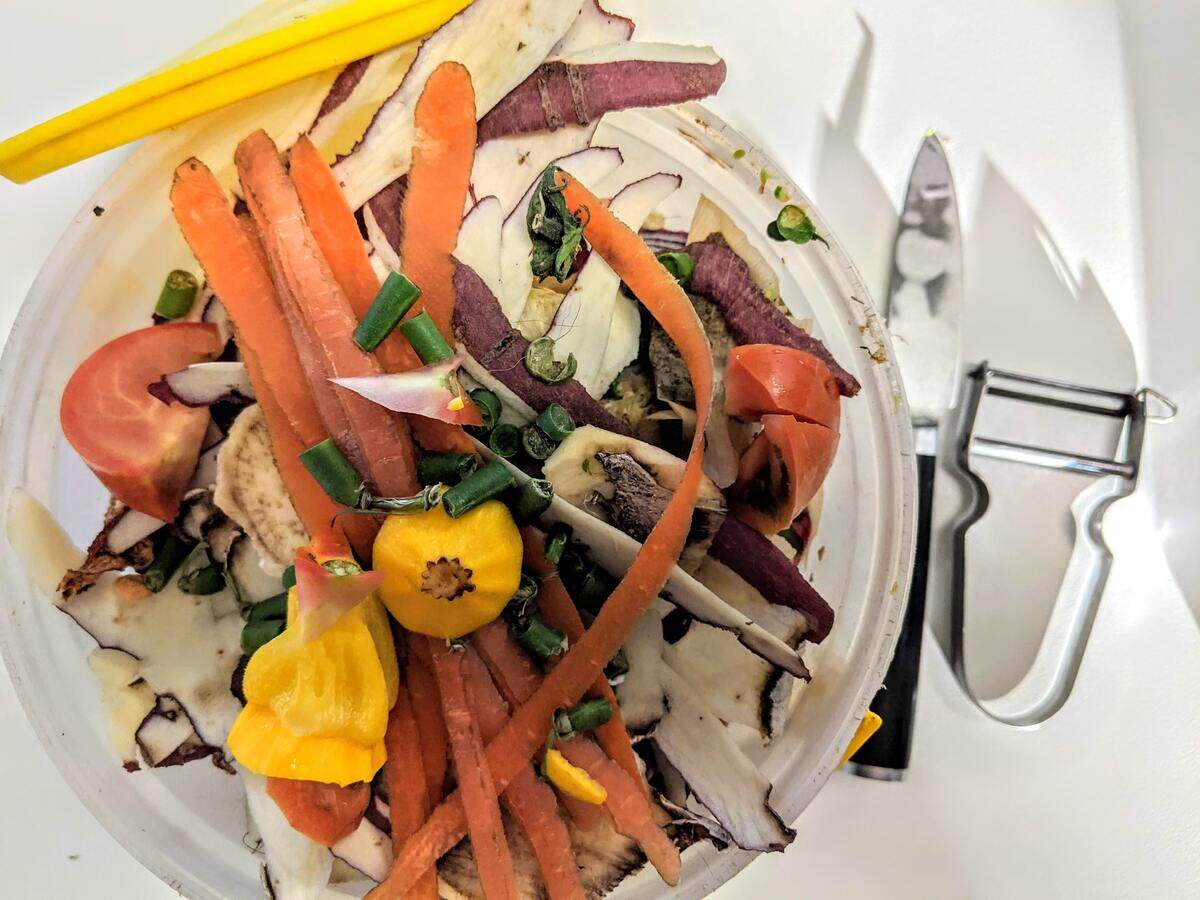
What if I live in an HOA neighborhood?
Even though state regulations, county and municipality ordinances in the Lowcountry allow chickens, bees and composting, some HOA communities may still ban it.
To check if your HOA community has any restrictions on these items, refer to the covenant documents for your respective neighborhood.
HOA covenants are the rules and expectations for living in a community governed by a homeowners association.
To find if your community bans these animals or compost piles, you will want to look for this language:
Chickens: No poultry, swine, cows, goats, horses, mules or other
Bees: No poultry, swine, cows, goats, horses, mules or other (Same language may be used to refer to bees, always clarify with your HOA to be sure).
Composting: Can be banned for reasons and concerns of smell, rodents and/or roaches.
According to South Carolina Law, a homeowners association’s rules, regulations, and amendments to rules and regulations must be recorded in the clerk of court or register of deeds office in the county in which the property is located.
For more information about HOA laws in South Carolina, click here.
This story was originally published May 21, 2025 at 6:00 AM.