Using a dash camera on SC roads? Here are the laws about them you should know
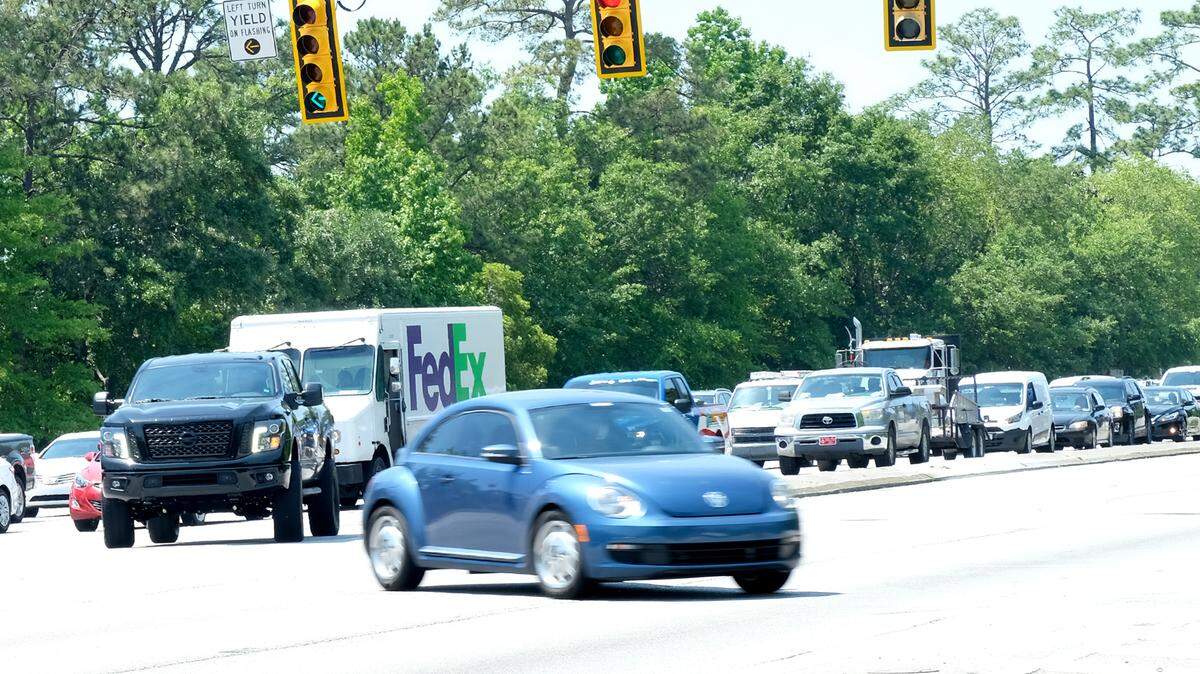
As road hazards, weather concerns and even tourism begin to pick up in the South Carolina Lowcountry, more drivers are turning to using dash cameras in their vehicles to monitor events on the road.
Dash cameras or “dashcams” have long been used by law enforcement vehicles and commercial haulers but have become increasingly popular among everyday drivers.
While these devices can be useful, the Palmetto State does have a few guidelines regarding how these cameras can be used and installed.
Here’s everything South Carolina drivers should know about dashcam use.
Legality in SC & mounting rules
Luckily, dashcams are legal in South Carolina.
The critical point to remember if you plan to use one is where you place and mount the device.
South Carolina Highway Patrol advises drivers to mount a camera on the dashboard and to avoid placing cameras anywhere that can obstruct the driver’s clear view of the road.
“Dashcams can be very helpful and I’d advise drivers to place them in a spot that doesn’t block their view of the road and in a way that makes common sense,” said CPL. Nick Pye, spokesperson for the SC Highway Patrol.
Audio & privacy
When it comes to recording sound, South Carolina operates under a “one-party consent” rule, meaning that capturing audio within your vehicle is generally permissible as long as you are a participant in the conversation.
Meaning that if you, as the dash cam owner, are part of a conversation with another driver, you have the legal right to record it.
As a courtesy and to avoid any potential privacy concerns, it’s always a good idea to let others know if your dash cam is actively recording audio.
Video guidance
In situations where you are involved in an accident, dashcam recordings are generally admissible as evidence in South Carolina courts, provided it can be verified as authentic and unaltered. Ensure to check with your legal counsel before using this footage.
If you witness a bad driver on the road, posting the video online is generally permissible since most roadways are public.
However, it is important to remain mindful of privacy concerns, particularly if you are posting footage of something sensitive, like a wreck.
If you record something on a private roadway, ensure compliance with the permissions of that property.
To know the difference between public and private roads in Beaufort County, road signs are the easiest way to identify them:
A private road sign is blue.
A county road sign is green.
A state road sign will have a small black sign attached, usually on top of the sign that begins S7_XXX.
Law enforcement can also request dashcam footage for review, but it is often on a case-by-case basis, according to Lt. Danny Allen, spokesperson for the Beaufort County Sheriff’s Office.
These are the best practices recommended by South Carolina personal injury lawyers to consider when posting video footage from your dashcam:
Obscure personal information: If you’re going to post online, blurring faces and license plates can help protect individuals’ identities.
Consider context: Providing context for the footage when posting can help prevent misinterpretation.
Consult legal advice: If you’re unsure about the implications of sharing specific footage, seek legal counsel.
This story was originally published May 23, 2025 at 6:00 AM.