How safe are Beaufort, Jasper Counties from measles as cases rise in US? Here are vaccine rates
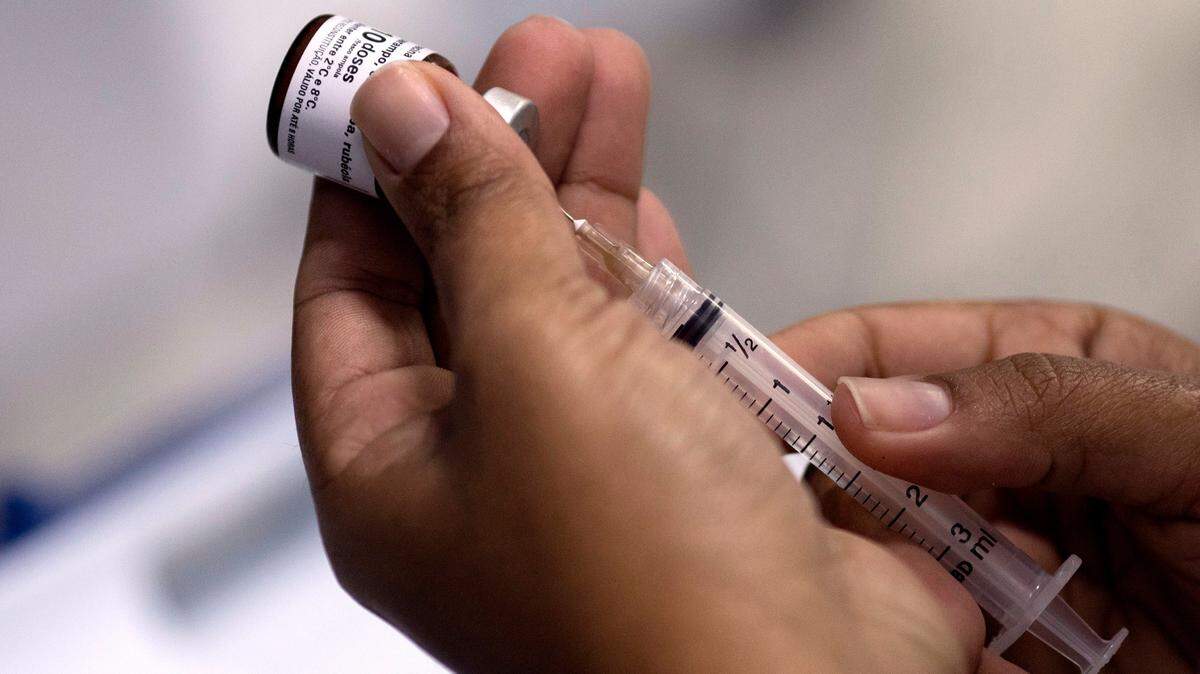
As measles cases climb across the United States, the Centers for Disease Control and Prevention is sounding the alarm: communities with lower vaccination rates could be at serious risk.
Despite no confirmed cases of measles in South Carolina this year, hundreds of unvaccinated children in the Lowcountry may be vulnerable if the virus crosses state lines.
According to the CDC, 1,024 measles cases have been confirmed across 31 states as of May 16.
While South Carolina has yet to report a confirmed case this year, the Palmetto State’s proximity to states like Florida, Georgia, Tennessee and Virginia, each grappling with their own outbreaks, raises concern, particularly as the tourism and travel season arrives.
How safe is the Lowcountry?
In South Carolina’s Lowcountry, a closer look at vaccination rates reveals uneven protection against the disease.
South Carolina requires two doses of the MMR (measles, mumps, and rubella) vaccine for students from kindergarten through 12th grade.
Yet, statewide coverage appears to be slipping.
For the 2023–2024 school year, just 92.1% of kindergartners had received both doses, down from 95% in 2019–2020, according to the South Carolina Department of Pubic Health.
Here’s a look at how those numbers break down in Beaufort and Jasper counties, based on SCDPH 2024-2025 county vaccination records:
Beaufort County, home to more than 25,000 students across 49 schools, boasts a vaccination rate above the critical threshold for community immunity, including two doses of the MMR vaccine:
Total number of students enrolled in Beaufort County schools: 25,527
Number of schools: 49
Number of students with required immunization: 24,294
Number of students with medical exemptions: 17
Number of students with religious exemptions: 741
Total percent of students with required immunizations: 95.2%
However, neighboring Jasper County tells a different story.
There, just 82.5% of students have received the required vaccines, leaving more than 750 children either unvaccinated or only partially protected. Among them, 43 students have religious exemptions, and two have medical exemptions:
Total number of students enrolled in Jasper County schools: 4,389
Number of schools: 9
Number of students with required immunization: 3,619
Number of students with medical exemptions: 2
Number of students with religious exemptions: 43
Total percent of students with required immunizations: 82.5%
Across the entire Palmetto State, Jasper County has the lowest rate for required immunizations.
This disparity is especially significant given that the CDC reports 97% of those infected with measles in 2025 were unvaccinated.
Who is exempt from vaccinations?
Medical and religious exemptions are the only available immunization exemptions in South Carolina.
Religious exemptions, which are allowed under South Carolina law for K-12 students, must be obtained in person at a county health department and notarized to record that the decision to be exempt from vaccinations is voluntary.
For medical exemptions, South Carolina law states that exemptions to immunization for medical reasons can only be determined by a licensed health care provider, meaning that only an individual licensed to practice medicine may issue a certificate of medical exemption, according to the SCDPH.
How to stay safe
The SCDPH states that the vaccine remains the best defense for folks to protect themselves and others against measles.
Those with the highest risk of catching the disease include:
Anyone who has not had measles
Anyone who has not been adequately vaccinated
Children less than 5 years of age
Pregnant women
Individuals with a weakened immune system
Adults older than 20
About 93% of people vaccinated with one dose have permanent protection and about 97% get protection after two doses of the measles vaccine, the SCDPH reports.
Each year, the SCDPH also updates the South Carolina Immunization Requirements for Childcare and School. To view the requirements for the 2025-2026 school year, click here.
What is measles?
Measles is highly contagious and can spread when an infected person coughs or sneezes.
As many as 9 out of 10 close contacts who have not had the disease earlier or have not been vaccinated with the MMR vaccine may become infected if exposed. After an infected person leaves a location, the measles virus remains alive for up to two hours on surfaces and in the air.
Measles remains common in many parts of the world, including Europe, Asia, the Pacific and Africa. International travel continues to bring the disease into the U.S., often unknowingly, according to the CDC.
The initial symptoms of measles include fever, cough and runny nose. In about 2-4 days, these symptoms are followed by a rash that usually lasts 5-6 days.
Complications caused by the virus can occur in as many as three out of 10 cases. Complications are most often seen in those with the highest risks, including children under 5 years of age, adults over the age of 20, pregnant women and individuals with a weakened immune system, according to the SCDPH.
If you or a loved one exhibits any of these symptoms, you can report it to the South Carolina Department of Public Health. The report number for the Lowcountry region is: (843) 441-1091.
This story was originally published May 20, 2025 at 6:00 AM.