Pine Island developer pushes new plan for much-debated Beaufort County property
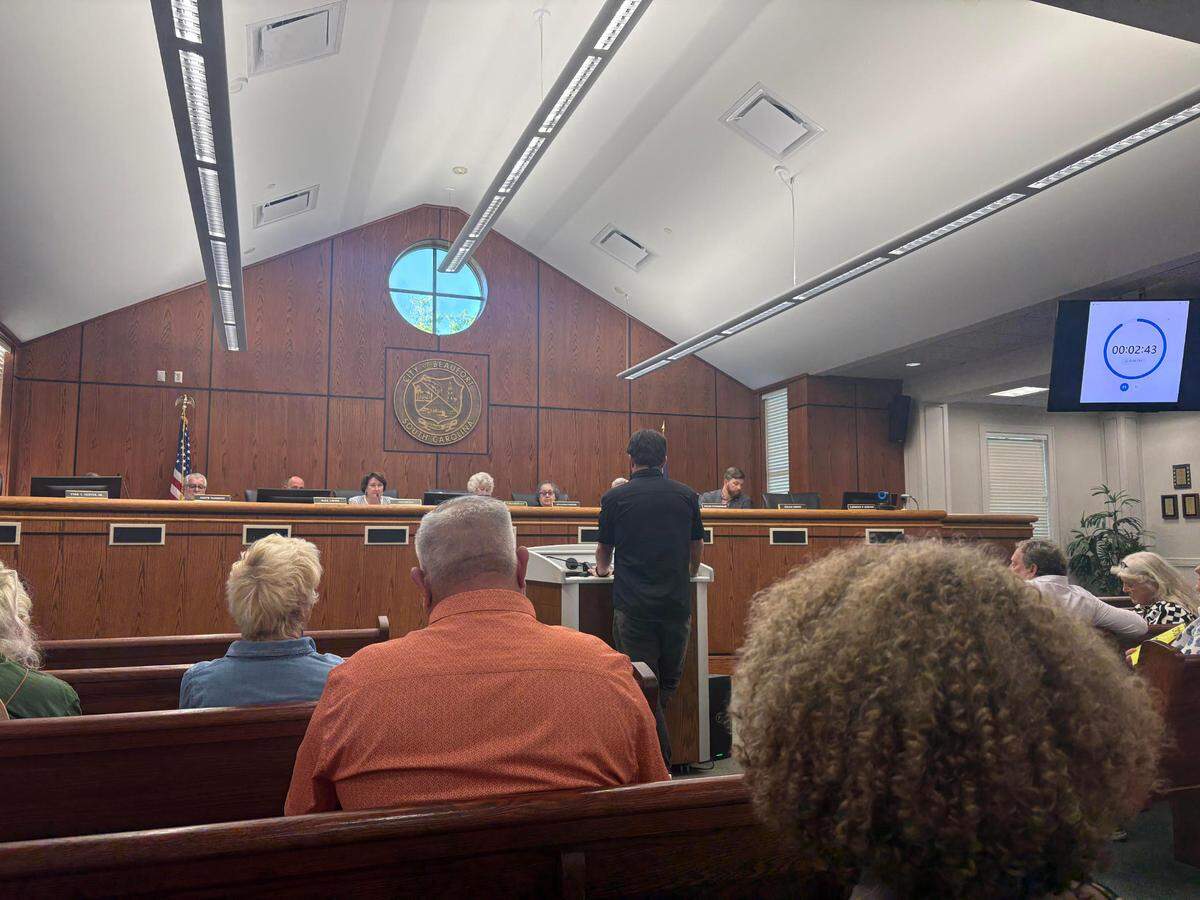
After over a year of relative silence, a sense of deja vu fell over the Beaufort County council meeting Monday night. While the newly submitted zoning amendment request for Pine Island was not on the agenda, the heavily debated St. Helena property was once again a hot topic during the meeting’s public comment period.
A week prior, on April 7, developer Elvio Tropeano submitted a new proposal to amend the zoning map and remove the Pine Island property from the cultural protection overlay. The CPO bans golf course and resort development on St. Helena Island with the aim of protecting Gullah culture and preventing their displacement.
The day after the county council meeting, a t-shirt clad Tropeano sat in the library of the law firm of Harvey and Batty in Beaufort. Behind him is a painting of the salt marsh and rows of leather bound legal books. In front of him, a stuffed three inch binder containing what he calls the “Downzoning Plan.”
“I’ve never thrown in a towel,” Tropeano said.
The over 200 pages of the plan describe what opponents say is essentially the same proposal he initially submitted in 2022, a golf course and gated community. However, this time there are incentives, including a community center, sweetgrass farm and community foundation.
Tropeano said the proposal reflects years of community engagement and “an exercise in radical transparency.” Opponents say the county denied what was essentially the same request in 2023 and the additional incentives included in this time are simply aimed at making the project appear less problematic.
“So now comes the golf course developer with virtually the same argument, and their never ending effort to put lipstick on this pig and label it as downzoning,” Robert New, a St. Helena resident, said during the county council meeting public comment period.
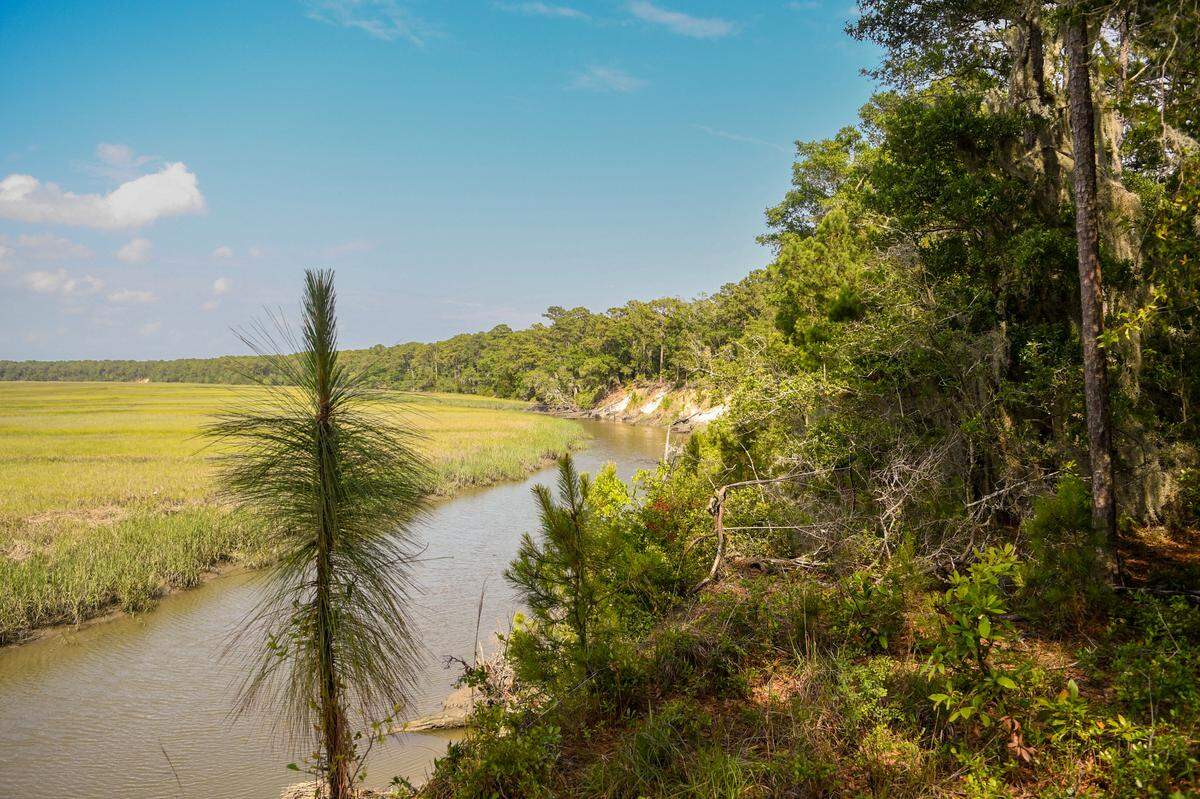
Tropeano and his lawyers argue that the proposal containing 49 homes and a golf course is a more palatable and sustainable alternative to the high density option currently allowed under the property’s current zoning designation.
In 2022, he had applied to remove the Pine Island property from the Cultural Protection Overlay, which would allow him to build a golf course on the property. Tropeano had agreed to withdraw his request so the county could look into changes that would allow some non-conforming development in specific situations, according to previous reporting by The Island Packet.
The county council instead responded by strengthening the CPO, further clarifying that golf courses are banned on St. Helena. He has since challenged the legality of the CPO in court, and that case is still ongoing.
Should the county approve Tropeano’s second request to remove the CPO from his Pine Island property and sign the associated development agreement, it would open the doors for a development of 49 houses and an 18-hole golf course.
In exchange, the proposed development agreement says the developer would provide land and a $2.5 million for a community center after construction for the golf course begins. It also pledges to preserve open space, some of which is the proposed golf course. Further, a foundation supported by property transfer fees will donate to local non-profits.
Should the county deny Tropeano’s request to remove the CPO from his property, the developer proposes a denser residential development of 149 homes with 90 docks. That proposal includes no community center, no open space preservation and no community foundation.
The proposal for Tropeano’s preferred golf course option, largely mirrors the original plan that Tropeano submitted to the county, Jessie White, the south coast office director with The Coastal Conservation League, said.
“It has always been about a golf course,” White said. “Everything else, any iterations of the additional offerings accompanying that golf course are all in the effort of getting out from under the cultural protection overlay, which has been in place for decades.”
At the most recent county council meeting, opponents and supporters alike took to the microphone during the public comment period.
Craig Reeves, a local shrimper and the owner of Sea Eagle Market in Beaufort, voiced his support for the proposal, stating that the CPO doesn’t protect the community if it still allows a large residential development.
Carrie Major, a resident of St. Helena who has for years advocated for a rec center on the island, said that allowing a change to the CPO would negatively affect her husband’s crabbing business.
“Believe the report of a person who grew up on St. Helena Island, who knows the river like he knows and knows how the golf course will affect the product coming from the sea, and affect his livelihood,” Major said.
The next day Kevin Dukes, a local real estate attorney who joined the effort in early 2025, sits across from Tropeano in the law firm library. According to Dukes, opposition to golf courses that inspired the CPO comes from the density, traffic and suburbanization those developments bring. He argues that Tropeano’s proposed golf course actually achieves the goals of the CPO and Beaufort County’s comprehensive plan because it would ultimately reduce density.
The Beaufort County comprehensive plan states the biggest threat to Beaufort County’s Gullah community is land development and that policies aiming to protect rural land are critical to protecting Gullah Heritage. The plan also states that the CPO protects St. Helena from gentrification, allowing the rural lifestyle on St. Helena to continue.
What Dukes and Tropeano call the “high density plan,” is the alternative to their proposed golf course currency. The solely residential development containing 149 houses and 90 docs is allowed under property’s current zoning, which includes CPO. This option would create a “domino effect,” by encouraging further large-scale development on the island, according to the documents that Tropeano submitted to the county.
White and other advocates say that granting the variance for this project would set a similar precedent, where other developers ask the county for an exception to the CPO for similar projects.
“There is no doubt that there is a line of developers behind this Pine Island developer who are watching to see what happens, hoping to get their hands on a similar deal with Beaufort County,” White said.
When asked why the county should now grant Tropeano the variance and possibly set a precedent for other developers, Tropeano said creating a precedent isn’t a bad thing if it also reduces density and invests in the community. He pointed to his goal of creating not just a golf course, but an “economic engine.”
He continued to say that when the CPO was strengthened in 2022 the community and the council that made the decision were largely unaware of his existing development options and their effects.
Despite the benefits that Tropeano said come with his golf proposal, opponents of the development maintain that St. Helena residents still do not want a golf course and gated community.
According to Tropeano, the “high density” option with 149 homes and 90 docs, is in the works. He has septic tank permits and meetings with county staff. The process is not subject to public opinion or emotion. In fact, when it comes to the “high density” development, Tropeano said it’s simply by right.
“I don’t plan on throwing in any towels anytime soon, but what I am doing is pursuing parallel paths, being intelligent with resources and time,” Tropeano said.
More information regarding the developer’s plan can be found here.
This story was originally published April 18, 2025 at 12:40 PM.