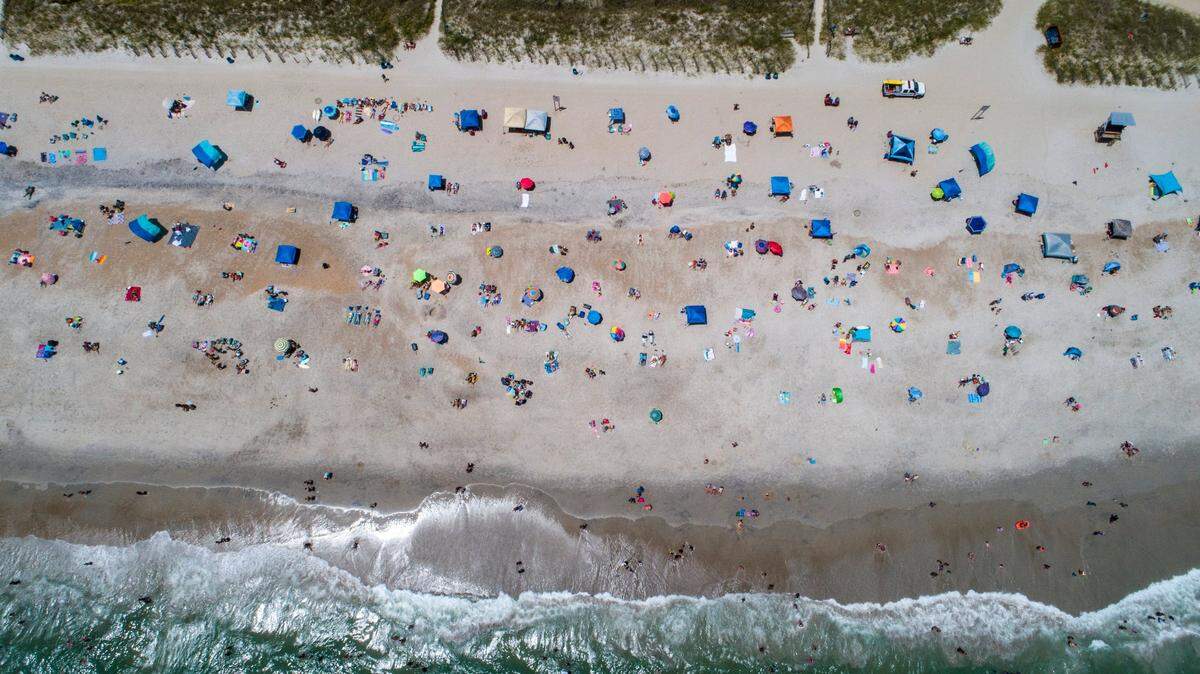
Summertime is right around the corner for the Lowcountry, meaning that beach season is officially here.
While everyone can appreciate a day laying in the sun, building sandcastles and exploring the shore, there are some safety aspects to keep in mind to make sure everyone can have a great beach day.
From flags to bacteria, jellyfish, stingrays, riptides and more, here are some important things to know before spending your day in the summer sun in Hilton Head.
Beach Flags
Hilton Head’s Shore Beach Services uses flags to alert beachgoers on current conditions. These flags are used during peak beach season from March through October to signify the status of the water.
These are the flags that you will see and what they stand for:
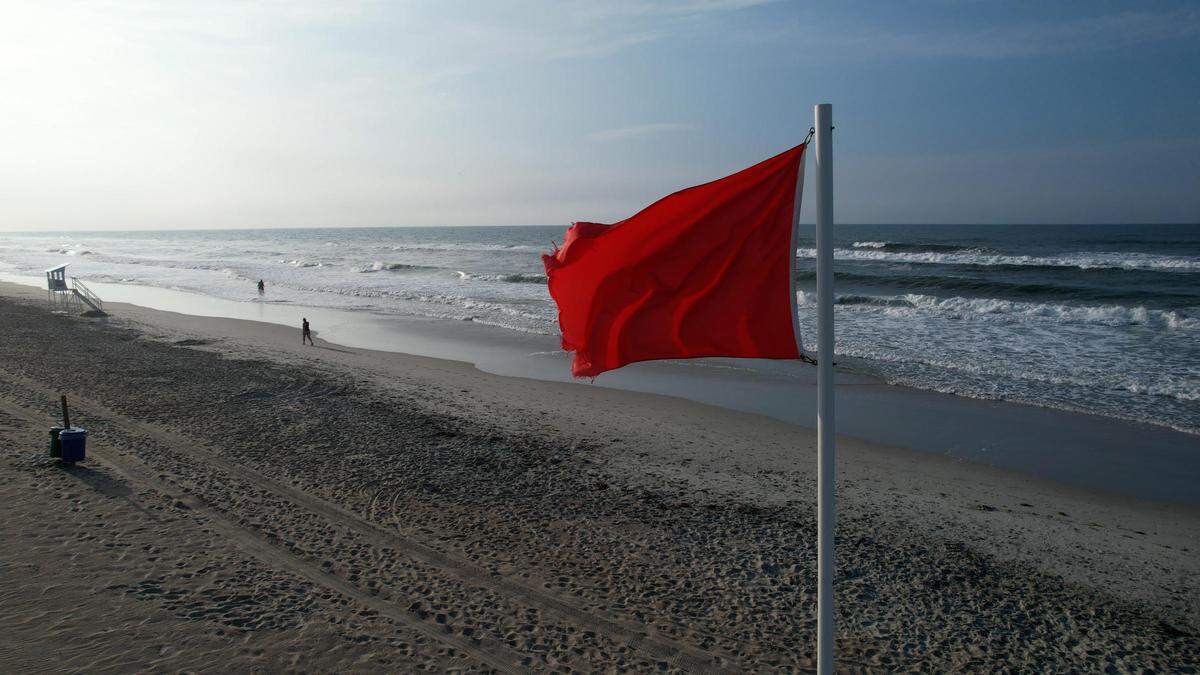
Red flags: Indicate dangerous surf or hazardous conditions, including sharks or lightning seen in the area.
Yellow flags: Indicate moderate surf conditions.
Purple flags: Indicate jellyfish and stingrays in the water.
Shore Beach Services Beach Patrol surveys four different beach areas around Hilton Head; you can view all of their survey areas here.
A red flag warns beachgoers to expect dangerously strong currents and rough seas if they swim in the ocean. Mark Crews Town of Emerald Isle
According to the SCDHEC, the department tests water samples from more than 120 beach locations between Cherry Grove Beach and the Southern end of Hilton Head Island once or twice a week.
If high numbers of bacteria are found, the department issues an advisory for that portion of the beach. An advisory means that you should not swim in those areas.
The advisories are categorized as follows and a sign will be posted near the area you should avoid:
No Active Swimming Advisory: No swimming advisory is needed.
Long-Term Swimming Advisory: Swimming is not advised within 200 feet on either side of the sign because high bacteria levels may be present, especially following rain due to storm water runoff. Wading, fishing and shell collecting do not present a risk.
Temporary Swimming Advisory: The area is not safe for swimming. Sampling will continue daily until the advisory can be lifted. Wading, fishing and shell collecting are not a risk unless you have open sores or lesions. Bacteria can get into open sores and cause infection. Health problems typically come from swallowing the water.
Emergency Closure: Beach closure due to significant event or occurrence.
These advisories are especially important to follow for young children, the elderly and those with compromised immune systems, according to the SCDHEC.
You can check official advisories issued by the South Carolina Department of Environmental Services on an interactive map here.
Sand dunes
Sand dunes can’t go unnoticed around Hilton Head beaches.
Sand dunes are the taller piles of sand you see before making your way to the shore. The dunes provide important storm barriers that protect beach property from the effects of wave energy, store storm water to minimize flooding and help animals and wildlife travel along the beaches.
Due to their importance, beachgoers should avoid climbing on them, storing items around or in them and messing with any of the vegetation or wildlife on the dunes.
Rip currents
Rip currents can be one of the most dangerous aspects of swimming in ocean waters, as they can quickly sweep swimmers away.
Rip currents are responsible for hundreds of deaths per year. They are caused by waves generated by offshore winds that create a fast-moving current.
Look for signs like choppy or discolored water, foam or debris moving away from the shore.
Gaps in breaking waves can also indicate a rip current.
If you do get caught in a rip current, here’s how to swim back to safety:
No matter where you swim, make sure not to consume any alcohol before taking a dip.
Drinking before swimming can cause issues with your vision impairment, balance and overall judgment, which causes over 3,000 deaths a year, according to the Town of Hilton Head.
Jellyfish and stingrays
Jellyfish and stingrays are also frequent visitors of the Hilton Head beaches; they typically arrive sometime between March and May.
Jellyfish season has already started for Hilton Head and stingrays are slowly creeping in too. Here are some ways to identify these creatures and stay safe:
For stingrays, make sure to shuffle your feet when you walk into the water to alert them that you are near. The vibrations from the shuffling cause the stingrays to swim away.
If you do spot a jellyfish, stingray or other form of wildlife in the water, you can always alert a lifeguard on duty from Shore Beach Services.
Sun safety
One easily forgotten aspect that can quickly ruin your day out in the sun is forgetting to apply sunscreen.
A UV index less than 3 is considered low and safe for folks outside, and an index between 3 and 5 is moderate, though the EPA recommends taking precautions. For all indexes over 5, protection against sun damage is necessary, according to the EPA.
A high index is between 6 and 7, an index between 8 and 10 is very high and 11 or above is extreme, but no matter what the index, wearing sunscreen with at least SPF 15 and reapplying every two hours is always the best idea.
Remember, bright surfaces like water and white sand reflect UV and can even double UV exposure, so take extra precautions on the beach.
Wearing hats, long clothes and opting to stay in the shade in the middle of the day is also recommended by the EPA.
This story was originally published April 4, 2025 at 6:00 AM.