Birdwatching made easy: The best tips & tricks to attract SC birds to your yard this spring
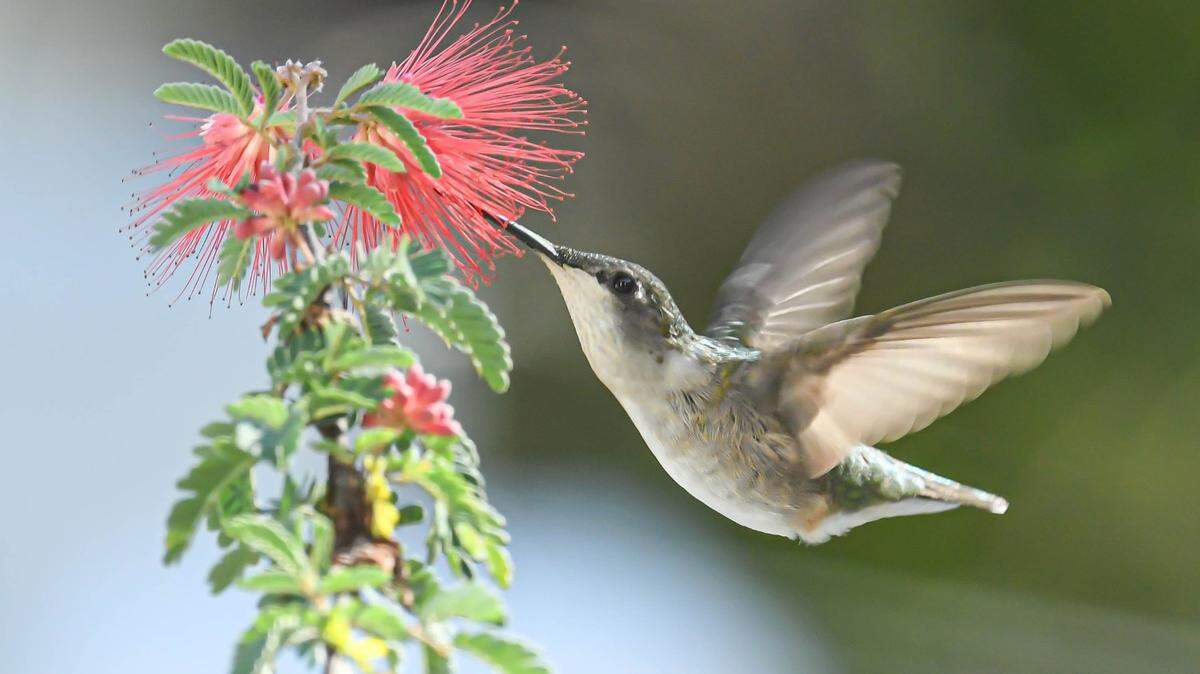
As warmer weather arrives, backyard birdwatchers are gearing up to welcome hummingbirds and other songbirds to their gardens.
But with so many different kinds of birds and a variety of seeds and feeds to put in your yard, how do you know what’s best?
Whether you’re hoping to see dazzling ruby-throated hummingbirds or a variety of colorful species, the right approach can turn your yard into a bird haven.
Here’s how to make your space more inviting so you can spot these feathered visitors this spring.
Plant native flowers and shrubs
Hummingbirds are drawn to nectar-rich, tubular flowers like columbine, penstemon and honeysuckle.
However, opting for native plants is another great option that helps preserve the environment and provides a plethora of benefits and vital proteins to insects, flowers, berries and birds. In particular, it helps birds impacted by the climate to become more resilient to changing weather patterns.
Some plants native to the Lowcountry that you might consider putting in your yard this spring include:
Butterfly milkweed
Cardinal flower
Crossvine
Foxglove beardtongue
Red buckeye
Trumpet honeysuckle
Trumpet-creeper
Woodland pinkroot
Yellow jessamine
Redbud
Luckily, Beaufort County has a climate fit for almost 100 different types of flowers that attract birds of all different kinds. To find other flower and plant options, click here for the full list of recommendations from South Carolina Audubon experts.
Provide a reliable food source
For hummingbirds, a simple sugar-water feeder can supplement their diet.
To make this, mix one part white sugar with four parts water and boil briefly to dissolve the sugar. Avoid using any kind of dyes.
Make sure that if you fill your feeder with a sugar water mix, you frequently clean and refill it to keep the birds coming. If neglected, these feeders can pose a health threat to the birds.
To attract other birds, the best kinds of seeds to use are:
Black oil sunflower seeds
Nyjer or thistle seeds
Peanuts
Suet
Conflowers
Make sure that the seeds are in separate feeders and that you place your feeders at different levels to attract more birds.
These seeds typically catch the attention of cardinals, woodpeckers, finches and sparrows.
Offer fresh water
One of the easiest and most cost-effective ways to attract birds to your yard is with water.
Water is a crucial but often overlooked resource for birds. A shallow birdbath is a great way to attract birds that need a nice place to drink and bathe.
If you want to take it up a notch, a dripping water feature or a small fountain can also attract these feathered friends to your backyard oasis. The sound of moving water is especially appealing to migrating birds, too.
For flowers, shrubs, seeds and water resources, make sure you spread them out across your yard to give birds the space they need.
Create shelter and nesting spots
Birds are always on alert. No matter if it’s for food, predators or just other birds, they are always on the move and looking for a space or lookout that’s safe.
Planting a mix of trees, shrubs and ground cover creates natural habitat layers. One simple implementation you can make in your yard includes placing larger dead branches to provide a perch for birds to use.
Nest boxes can also help attract species that require cavities for nesting, such as bluebirds and chickadees. Adding thorny bushes like hawthorns adds another layer of protection from predators.
.jpeg "image2 (9).jpeg")
Minimize threats
Unfortunately, fur and feathers don’t always mix.
Outdoor cats are one of the biggest dangers to backyard birds. Make sure to keep your cats indoors when birds are around or consider using cat deterrents.
In addition, if you place feeders and birdbaths in safe, open areas, it reduces the risk of surprise predator attacks.
Skip pesticides and encourage natural habitats
Pesticides are harmful to insects, birds and other wildlife. They can also eliminate the insects that many birds rely on for food, particularly during nesting season.
By opting for native plants that naturally support insect populations, you can skip the pesticides. Another tip to avoid using pesticides and other chemicals is to scatter leaf litter and decaying wood in your garden to provide a habitat for caterpillars and other bird-friendly insects.
This helps create a welcoming space for hummingbirds and a variety of other bird species this spring.
Where can I buy native plants?
If you’re still on the hunt for native plants, Naturescapes in Beaufort sells about 200 varieties of natives that you can incorporate into your garden.
Naturescapes propagates their crops from local plants, meaning they are better suited to local birds and insects. They also provide professional planting and sustainable garden maintenance.
You can also find most native plants at your typical home and garden sections of stores like Walmart, Lowes, Home Depot and more.
What kind of birds can you expect to see in South Carolina?
A well-planned bird-friendly habitat will not only provide hours of birdwatching enjoyment but also contribute to the conservation of these beloved creatures.
Spring migration typically peaks from late April through early May, although many of the migratory breeding residents arrive a week or two earlier in the Lowcountry area.
Some birds that you may be able to spot this spring in the Lowcountry include:
Ruby-throated hummingbird
Rose-breasted grosbeak
Indigo bunting
Scarlet tanager
Red-eyed vireo
Swainson’s thrush
Wood warblers
Mississippi kite
Swallow-tailed kite
Osprey
Black necked stilt
Purple Gallinule
Remember to stay persistent in your birdwatching. Every bird is different and some may appear minutes after you set out inviting plants, while others may take several weeks before they chance on your garden.
For more detailed guidance, visit the Audubon South Carolina webpage or the American Bird Conservancy.