‘Right now, it’s out of control:’ How SC health care gaps hit Beaufort County
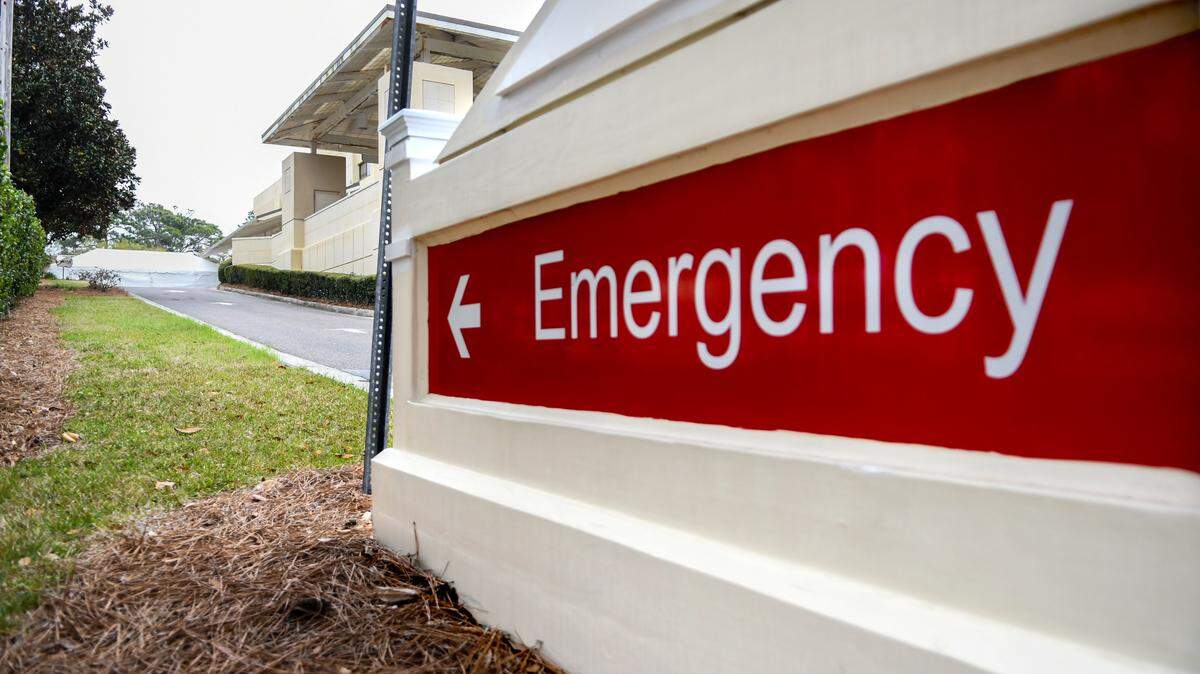
For many residents in the Lowcountry, health care access is more than just a policy discussion — it’s a daily struggle.
With Beaufort County experiencing rapid population growth and an aging demographic, access to health care is becoming, and has long been, a pressing issue.
South Carolina is one of the worst states for population-to-physician ratio and has consistently been dubbed one of the worst states for health care.
So, what does this mean for Beaufort County?
In short, “We need more health care,” said President and CEO of Beaufort Memorial Hospital Russell Baxley, at the 2025 State of the Community presentation.
The growing demand for health care services
Beaufort County remains a nexus for older adults and retired citizens, who are often at a higher risk of health issues, usually resulting in the need for specialized care.
While Beaufort County does offer a wide range of health facilities, in many cases, they do not always address the needs of the community.
“The demand for both primary and specialty care services has increased and continues to rise,” said Dr. Kurt Gambla, vice president and chief medical officer at Beaufort Memorial. “A growing, aging population means more and more individuals have health care needs that are growing faster than our health care systems can meet them.”
According to the most recent community health assessment from Beaufort Memorial, 72% of respondents indicated that access to necessary health care services was a major issue.
This included problems like finding practitioners, trying to get in as a new patient and accessing preventive care.
“As we age, we are going to need more health care,” Baxley said.
But with fewer people joining the workforce ... “We are seeing trends, especially in Beaufort County, where that math doesn’t work,” Baxley said.
Among these trends are the growing population, rising elderly population, health care costs and a shrinking workforce, which all contribute to access struggles.
“When we talk about a lack of health care, it’s not simply health care that’s affected,” said Vandy Amason, Nursing Program Director for the Technical College of the Lowcountry. “It impacts everything, from the economy, education and businesses when you have a society that’s not getting its needs met. Right now, it’s out of control.”
Financial barriers to health care access & Medicaid
The overall cost of health care is a never-ending concern for communities across the nation. In Beaufort County, 66% of patients express concerns with their health care costs.
Other layers of health care that cause disparities in access include high prescription costs and a lack of health insurance. According to the South Carolina Revenue and Fiscal Affairs Office, more than 18,000 residents in Beaufort County do not have health insurance.
To visit a primary care doctor in South Carolina, it can cost anywhere between $50 to $150, whereas to see a specialist, those prices can jump above $200 and procedures can skyrocket into the thousands.
Beaufort County has a median household income of $84,819, which is much higher than the state average of $66,818. But, within the county, there are income differences that contribute to these health care cost concerns, such as:
Medicaid reimbursement rates are among other factors contributing to challenges in health care access.
The Medical Assistance rate refers to a state’s standard reimbursement for Medicaid-covered services and how it will reimburse providers for treating recipients.
According to the Dartmouth Atlas of Health Care, data ranks South Carolina 25th in the nation for Medicare reimbursement rates. These variations are influenced by several factors, including regional health care costs, volume, types of services provided and local health care policies.
While reimbursement rates fluctuate over time, South Carolina’s rates have posed challenges, particularly in the Lowcountry, due to population growth and the increasing number of medical facilities.
Fewer specialists & clinics
Doctors like cardiologists, neurologists, endocrinologists and other specialists are not always available throughout the Beaufort County area.
“We are approximately 40 primary care providers short and approximately 70 specialists and surgeons short today,” Baxley said.
According to Amason, nurses are facing shortages too, with almost 1,500 openings throughout the Lowcountry.
This limits the medical procedures that facilities can conduct. Here are a few examples:
Beaufort County Memorial Hospital does not offer neurosurgery or open-heart surgery.
St. Joseph’s/Candler in Bluffton offers mostly imaging and PET-CT scan services, but more advanced treatments for heart conditions, cancer and neurological disorders are at the Savannah, Ga., location.
Novant Health Hilton Head Medical Center & Coastal Carolina Hospital offer heart treatments, stroke and orthopedic care, but providers are limited.
This sometimes forces patients to travel to larger cities like Savannah (about 40 minutes away) or Charleston, S.C. (more than an hour away).
For 26% of Lowcountry residents, mobility and transportation are a problem, meaning this often results in a cutoff from the health care service they need or added expenses for travel options.
“For rural Beaufort County, transportation is a huge issue,” Amason said. “It can take weeks of planning and scheduling rides because a lot of these people can’t drive or even own a car.”
Growing demand with limited infrastructure
Steady population growth in areas like Bluffton and Hilton Head is no doubt consistently outpacing the health care system’s ability to expand proportionally, resulting in longer wait times and limited availability of services.
While this brings economic opportunity, the growing demand for health care services only highlights these issues, particularly in rural communities with a higher concentration of older populations.
“Chronic diseases like obesity and cancer continue to drive need in Beaufort County along with immediate care access,” Gambla said. “The ER is at capacity daily and our three Express Care locations see approximately 170 visits daily.”
However, Beaufort County is actively addressing this concern with the introduction of three new medical centers set to break ground in the next couple of years.
This ongoing development in the area is anticipated to lead to increased health care services, including outpatient centers and urgent care needs.
Wait times and access to general care
While finding the right specialized care can be a hassle, primary care also slips through the cracks.
Since primary care providers are generally the navigators of directing patients to the appropriate specialists, more primary care providers are needed to appropriately direct the patients to this care, according to Gambla.
With a current shortage of about 40 primary care providers, according to Baxley, it’s no doubt that this shortage seeps into the level of care available.
“There is a huge deficit in our primary care coverage and that affects everybody,” Amason said. “For anyone looking for a new primary care provider, it can take over a year to get an appointment and for folks with chronic conditions, that is way too long. Even though I’ve lived here all my life, I still have to schedule my doctor appointments six to eight months out.”
In posts and outreach by The Island Packet, community respondents reported similar issues with finding doctors, facing hours of wait times and insurance issues that echoed the concerns of health care professionals:
Difficulty finding doctors or getting appointments
Long wait times, sometimes hours, for care both in offices and in urgent care facilities
Poor communication or lack of follow-up from medical offices
Insurance complications
Extensive travel for treatment
Emergency services, in particular, can also face strain during peak tourist seasons, leaving locals with fewer resources and adding to the tension and frustration.
What’s being done to expand access?
Despite the headache that health care access may cause individuals in Beaufort County daily, there are ways the county is addressing the problem, including:
New health care facilities: A hybrid urgent care and emergency room is coming to Hilton Head and two new hospitals are on their way to Bluffton.
Telemedicine: Care facilities are working to expand telemedicine, which has helped bridge some gaps, especially in rural communities, by providing virtual consultations with health care providers.
Beaufort Memorial’s Financial Assistance Application: Addresses health care cost concerns by promoting cost-saving online healthcare services and vouchers through MDSave.
Community health initiatives: Collaborations with local nonprofits and community health organizations like Marshview Community Organic Farms allow for medical services, health clinics and food distribution to reach areas in need.
Provider recruitment: Current efforts are underway to recruit more specialists and primary care providers to the region, according to Beaufort Memorial spokesperson, Emma June Grosskopf.
Transportation: Transportation options from both home care providers and Beaufort Memorial are available and are working to expand their service areas and number of vehicles.
- Home health services: Beaufort County is a hub for at-home care providers, medical support groups and more. These services aid in recovery, day-to-day activities or simply just helping where you need it.
Programs: These services and facilities help support certain patients and conditions: Lifefit Wellness Services, screening and prevention services, Parkinson’s disease services, support groups and more.
Beaufort Memorial’s Specialist Directory: Lists available specialists for chronic diseases, cancer and geriatric care.
Technical College of the Lowcountry Nursing Program: Holds 150 students per year with clinical facilities and studies with Beaufort Memorial, Novant Health, Coastal Carolina Hospital, St. Joseph’s/Candler and more.