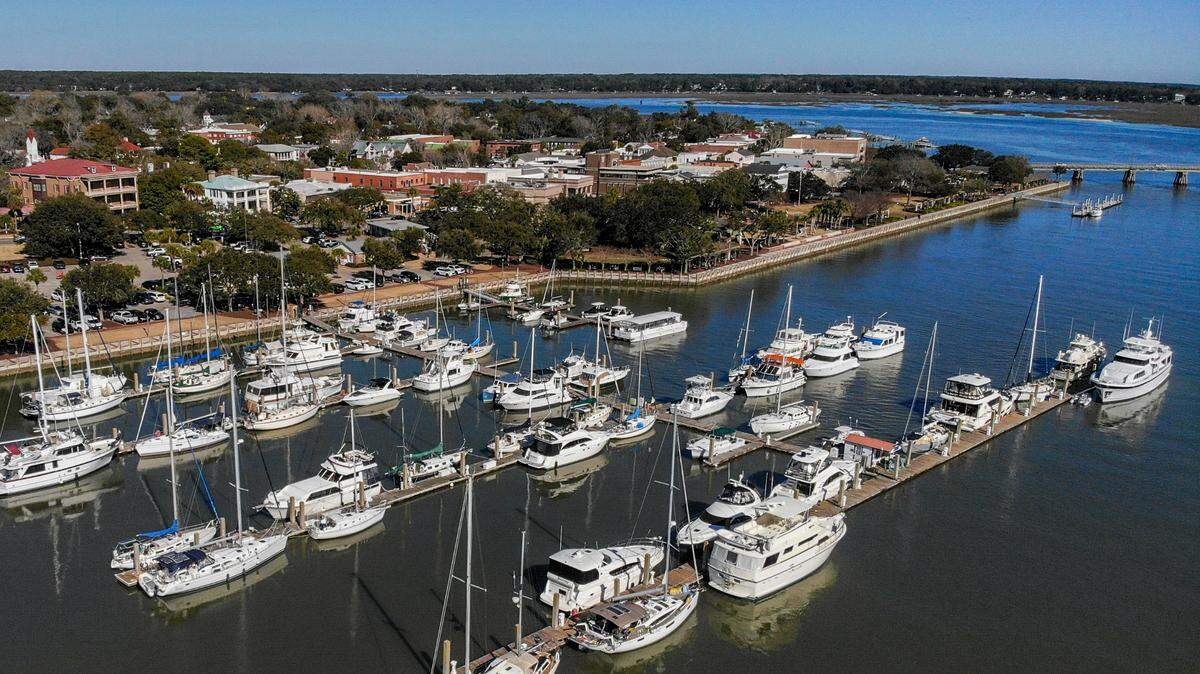
Henry C. Chambers Waterfront Park, photographed on Feb. 14, 2024, overlooks the Beaufort River and the Beaufort Downtown Marina was opened in 1979 and is built upon a series of 570 pilings.
Drew Martin
dmartin@islandpacket.com
The South Carolina Lowcountry is nothing short of a boater’s dream. With stunning coastal landscapes and vibrant waterways and rivers, the area beckons boaters of all levels.
But to make those dreams a reality — safely and responsibly — boating knowledge is key.
Whether you’re a seasoned captain, afternoon angler or just learning the ropes of setting sail, here are some essential guidelines and precautions that will help you navigate Beaufort County waters safely and responsibly.
Know the Local Boating Rules
Before heading out, familiarize yourself with South Carolina’s boating regulations. These include:
No-wake zones
Navigation rules
Restricted areas
Following these guidelines ensures safety and compliance. Information regarding these regulations can be obtained from local authorities, rental locations or boating associations and the South Carolina Department of Natural Resources.
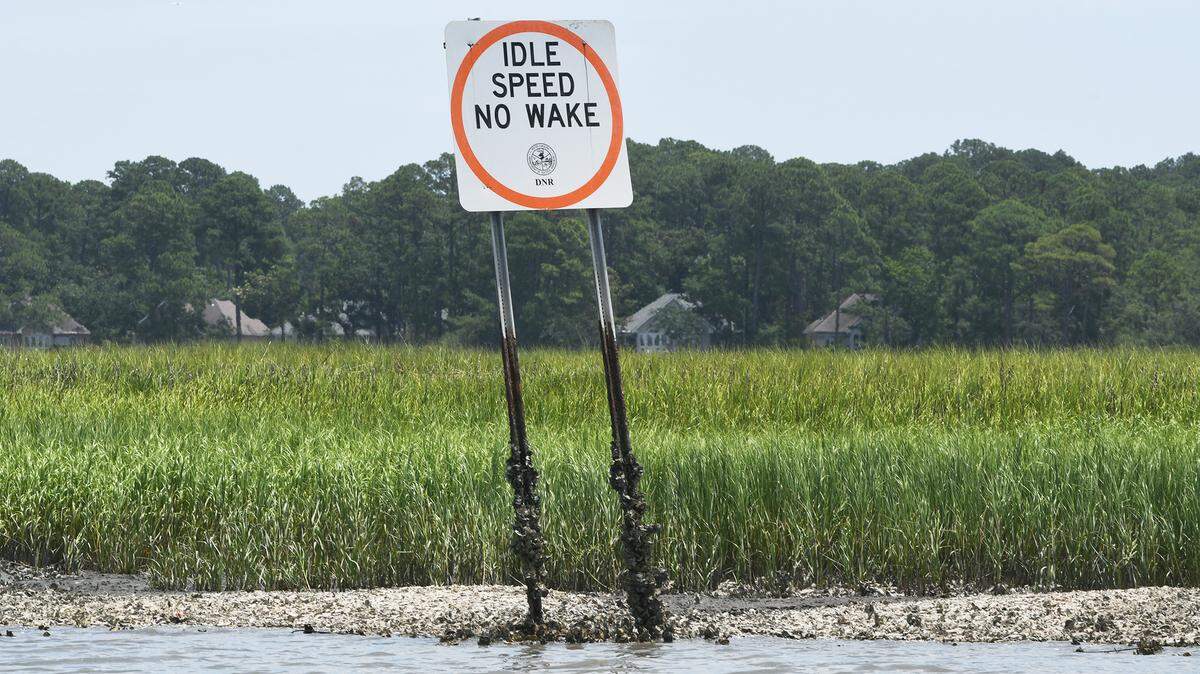
The SCDNR and Coast Guard have signs posted for restricted areas and no-wake zones. If you see a sign for a no-wake zone, make sure to slow down your speed so you don’t cast a wake.
A sign alerts boaters to the no wake zone in Hilton Head’s Broad Creek. Jay Karr jkarr@islandpacket.com
Prioritize Safety Gear & Boat Checks
No matter age or swimming proficiency, everyone aboard a boat should have a life jacket that is approved by the U.S. Coast Guard.
To make sure your life jacket is safe ensure it meets the following criteria:
It’s the appropriate size for the intended user (same as your t-shirt size)
It’s appropriate for the intended activity
It’s in good and serviceable condition
For more information on life jacket fit and selection, here is a guide from the U.S. Coast Guard.
Safety equipment such as fire extinguishers, distress signals, a first aid kit and a marine VHF radio are also good to have on board in case of emergencies.
Before setting sail, make sure you or your rental provider has checked the boat for any fuel leaks, properly functioning navigation lights, bilge pumps and proper ventilation systems.
Be Aware of Tides & Navigation Hazards
While the waters in Beaufort County are not treacherous, they can be tricky to navigate due to the tides.
Tides in Beaufort County can rise or fall by 8.5 feet every six hours. Shifting water levels, sandbars, submerged hazards and changing weather conditions are important to pay attention to so you can avoid running aground or getting stranded.
During low tide, it’s easier to see the sandbars whereas at high tide it’s not, so ensure to follow any signs posted and stay in areas you are familiar with. If you want to explore a new area, it’s best to visit when there is a rising tide.
The maps and GPS services provided by rental companies can also help you navigate sandbar areas.
Make sure to also stay aware of the weather conditions, including any hazards or storm warnings.
Stay Focused & Sober While Operating
Boating under the influence of alcohol is a federal offense and dangerous.
In addition, avoid distractions like texting or excessive noise and always remain alert to other vessels, swimmers and wildlife.
Respect the Environment
Protecting and preserving wildlife is a shared responsibility among all visitors, locals and tourists to the Lowcountry.
Make sure to avoid damaging shorelines and oyster reefs, dispose of trash properly, use pump-out stations and keep a safe distance from wildlife to help preserve the fragile marine ecosystem.
Keep in mind that these tips apply to all boats across all waterways in the Lowcountry.
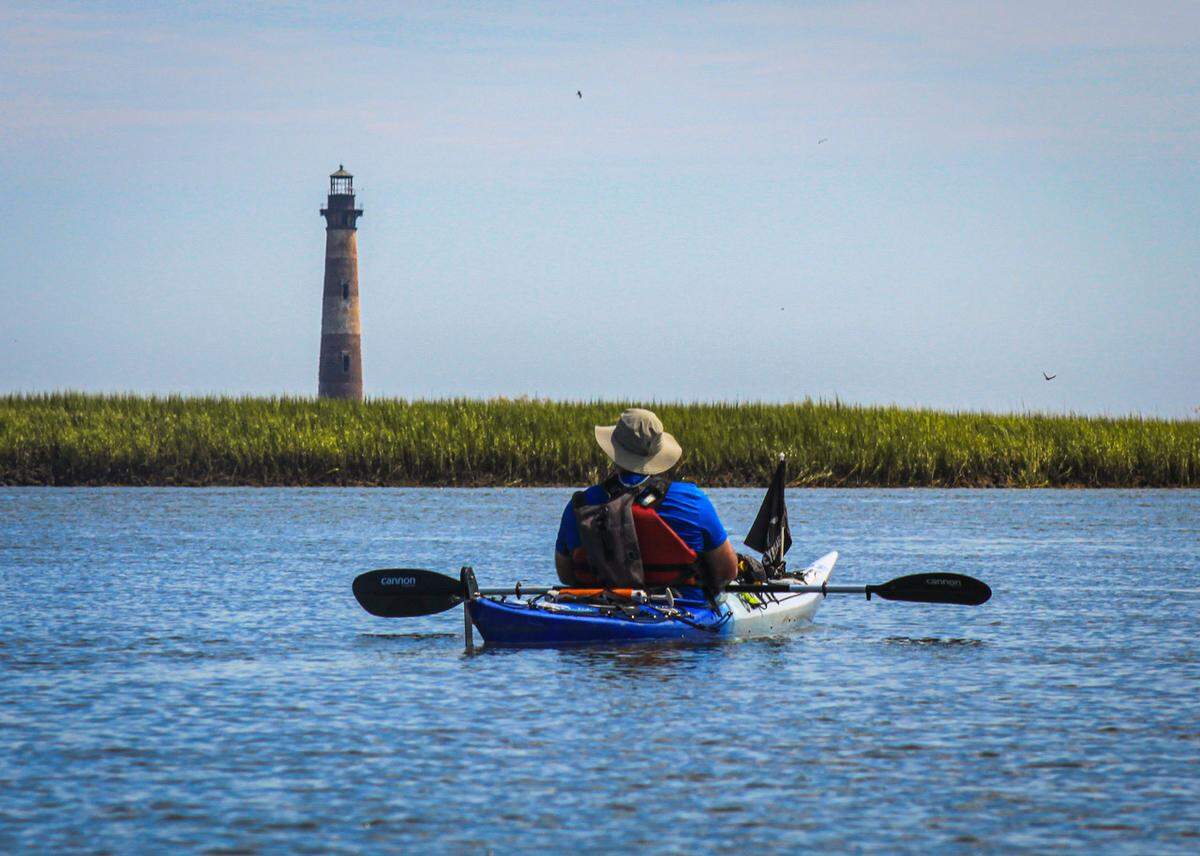
Paddle to the lighthouse: the Morris Island Lighthouse is still a beacon for boats large and small. Here it guides kayaker Tim Brown of Savannah down Folly Creek for a closer look. Matt Richardson Special to The Island Packet and Beaufort Gazette
What to do if I get stuck or have problems?
If you find yourself stuck in a sandbar or having other issues with your boat, no need to worry. There are resources available for you.
If you rent a boat, most rental agencies will have their own towing and salvage service to help if you get stuck. This is typically done by calling the company’s service number, but some agencies operate differently, so make sure to check before setting sail.
They will come and help pull you out from the sandbar or tow you back to the dock if your boat is having issues.
Agencies like Sea Tow and Boat U.S. provide towing services for boaters as well. Memberships for these services are available and have rescue offices across the nation, so no matter where you set sail, someone is available to rescue you from any issues.
Sea Tow is also partnered with some rental agencies in Hilton Head, such as Carefree Boat Club, if a customer requires a rescue.
These services are still available for assistance, but the one-time service fees are typically more expensive, so a membership is usually the more cost-effective way to go.
Boat U.S. Foundation also offers rescues, online classes and educational resources for first-time boaters, which are an excellent resource if you need any knowledge on operations and safety.
If renting a boat, it’s important to obtain local knowledge of the waterways, follow instructions from a guide at your rental agency or even chat with a local captain to understand the best ways to have a safe and fun day out on the water.