Help elderly SC homeowners live more safely with this guide for the best smart home devices
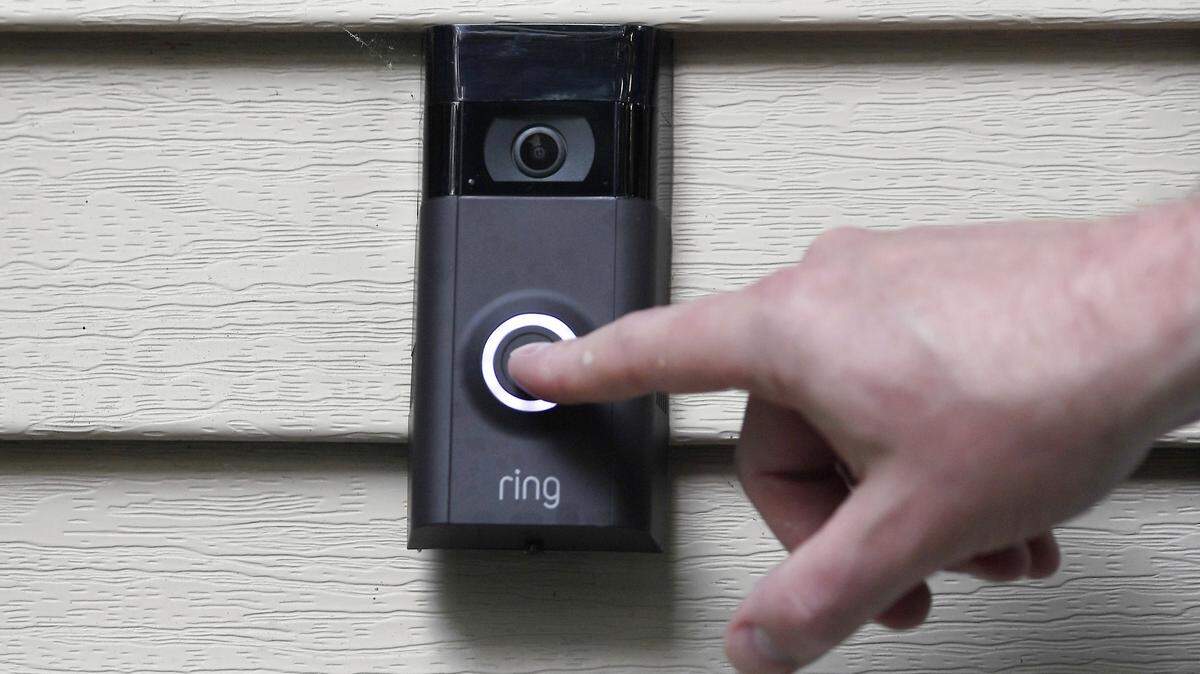
Pairing seniors with digital technology is often like mixing oil and water — what’s supposed to bring peace of mind often ends up causing more headaches than it’s worth.
While these devices promise safety and security, there’s no denying that they often leave older citizens tangled in a web of confusing settings and constant alerts.
More than three-quarters of adults 50 and over intend to remain in their homes as they age, largely for both comfort and cost reasons, according to the American Association of Retired Persons.
With aging in place becoming an increasingly popular decision for older adults, smart-home devices can be incredibly useful. These devices help in enhancing safety, independence and overall quality of life.
The kind of device you purchase for your home should be personalized based on individual needs, abilities and goals, but it can sometimes be a daunting task to figure out which device is best.
Here is a guide to the different kinds of home devices to help you decide which one is right for you.
What Kinds of Devices Are There?
Smart device products are designed to make daily tasks easier and safer. The technology covers a wide range of needs, including:
Appliances
Cameras
Lighting
Security systems and locks
Energy systems
Smoke detectors
These devices connect to the internet and are controlled via smartphone, computer or voice.
How Do I Pick the Right Device?
With so many devices to pick from, it may feel overwhelming to decide which one best fits your lifestyle. Here are some important considerations when picking the best device for you or your loved one.
Simple operation: Smart-home devices are meant to be intuitive to use, so you or your caregiver must be comfortable with the device you pick.
Functionality: Most smart-home devices are compatible with Apple or Android devices, but if you intend to have several devices, make sure they are all compatible with the same device so it’s easier to work with them. The most popular platforms are Amazon Alexa, Apple Home, Google Home, Matter and Samsung SmartThings.
Wireless connectivity: The majority of smart-home devices rely on a WiFi connection to function; ensure that your home has sufficient bandwidth so your smart devices can work best. If you’re concerned about your home having poor service in certain areas, you have the option to invest in either a wireless extender or a Wi-Fi mesh-networking kit.
Unobtrusive design: A smart device is an investment. When selecting a device, make sure that it that won’t clutter the home and can function without interrupting everyday life.
Top Home-Safety Devices
Here are some of the top recommended home safety devices from the AARP and Wirecutter Technology professionals for those aging in place.
Home Security and Monitoring Devices
Ring Alarm System: Offers security features such as door/window sensors, smoke/carbon monoxide detectors, cameras and Wi-Fi coverage. The Ring system is also a more affordable option.
Smart Smoke Detectors: The Google Nest Protect sends notifications about smoke or carbon monoxide and provides voice alerts that tell you where the danger is.
Leak Detectors: Devices like the D-Link notify you of water leaks, which can be particularly helpful for preventing damage in the home.
Smart Doorbells: The Google Nest Doorbell lets you remotely see visitors through video and can send notifications when someone rings the bell.
Emergency & Communication Systems:
Emergency Contact Systems: Devices like the Apple Watch SE offer fall detection and the Amazon Echo Dot enables voice calling to emergency contacts.
Smart Speakers and Displays: Devices like the Amazon Echo Show 8 allow easy communication with loved ones and can be useful for video chats, especially for seniors who are living alone.
Home Automation Devices:
Door/Window Sensor: The Aqara sensors work with platforms like Apple Home and Google Home and can trigger actions like lights turning on when a door is opened.
Smart Plugs: These plugs convert traditional devices into smart ones by allowing remote control and scheduling through a smartphone.
Smart Lighting: The Leviton Decora Dimmer and WiZ LED Smart Bulb allow you to control lighting through a smartphone, offering features like dimming and color adjustments.
Smart Locks: The Schlage Encode Deadbolt offers easy access, remote locking/unlocking and notifications if the door is left open. This is especially useful if you happen to forget your house key.
Smart Thermostats and Speakers: These can automate daily routines and help maintain comfortable living conditions. Smart speakers can also serve as a hub for controlling various devices in the home.
Home Appliance and Health Devices:
Smart Beds and Mattresses: These devices provide improved sleep by adjusting firmness or temperature. Some can track sleep patterns and share the data with caregivers or health providers.
Smart Appliances/Microwaves: These microwaves turn off when the timer ends and beep until the door is opened, preventing overcooking or burning food.
Low-Intensity Smart Lights: These lights automatically turn on when someone gets out of bed, offering visibility and reducing the risk of falls in the dark.
Smart Water Sensors: These sensors can detect leaks or a running toilet and alert the user or caregivers, preventing water damage.
Smart Scales: These scales can track weight and other body metrics, automatically uploading the data to health apps or sharing it with healthcare providers.
Discreet Health Sensors: Products like the Casana Heart Seat can measure vital signs, including heart rate and blood oxygenation.
For a cost breakdown of the various kinds of home devices, click here.
Installation & Use
Most of these home devices have a fairly simple setup and only take a few minutes to connect to your device.
If you are working with a caregiver, make sure that you work together to set up the device and understand its functions.
Benefits for Your Health and Caregivers
Smart home technology is especially useful for monitoring the health and safety of older adults. Devices that interact with each other can provide a comprehensive picture of daily routines.
For instance, if an older adult doesn’t get out of bed, their refrigerator has been left open or a door is left unlocked, caregivers can be alerted to potential problems.
Smart home devices also help older adults have more independence in daily activities.
Challenges & Barriers
New technology is not always the easiest to navigate for those who are unfamiliar with these devices. Common barriers that stand in the way of proper setup and use can include:
Complexity: Many older people find the technology too complicated to set up or use, with some saying it’s overkill.
Cost: Many products are seen as too expensive.
Lack of Simplicity: Older adults often struggle with connecting different devices, leading to frustration and a need for additional help.
While all of these concerns are valid, it’s important to collaborate and communicate with your healthcare provider or caregiver when deciding if a home safety device is right for you and when setting it up in the home.
The Role of Technology in Caregiving
While smart devices are helpful, they do not replace the need for human interaction. These devices are meant to complement caregiving by offering a way to monitor and assist older adults without being overly intrusive.
The focus of these smart devices is to provide:
Safety
Health monitoring
Peace of mind