SC snakes are back in the Lowcountry. Here’s a guide on which are venomous
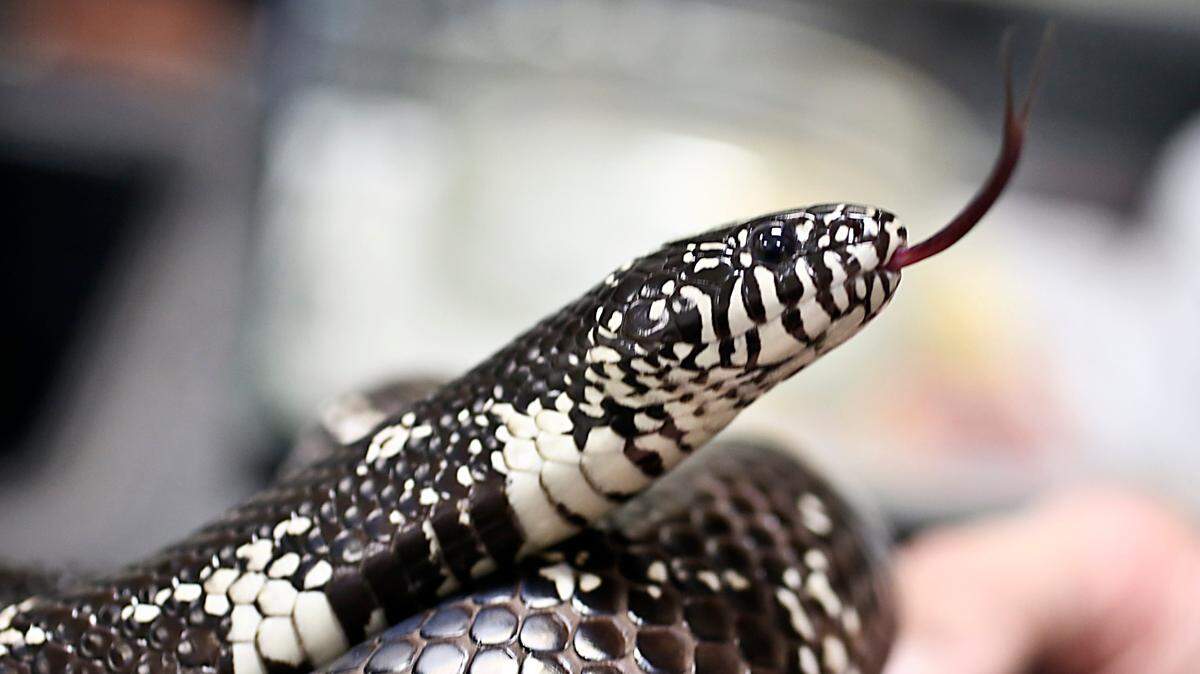
South Carolina is home to all sorts of wildlife, from alligators to monkeys and even weird bugs … critters are found just about anywhere you go.
But one of the most ominous animals of the South Carolina wildlife are snakes.
These slinky reptiles can be seen slithering all around the Palmetto state, and come in a variety of sizes and colors.
According to the South Carolina Department of Natural Resources (SCDNR), snakes are most active from April to October, but even in the cooler months, snakes can be out and about if temperatures get above 70 degrees Fahrenheit.
South Carolina is home to 38 different species of snakes. But luckily for the Lowcountry (or maybe unluckily) only six of those species are venomous.
With springtime right around the corner, here is your guide to the different kinds of snakes to watch out for this year.
Six types of venomous snakes
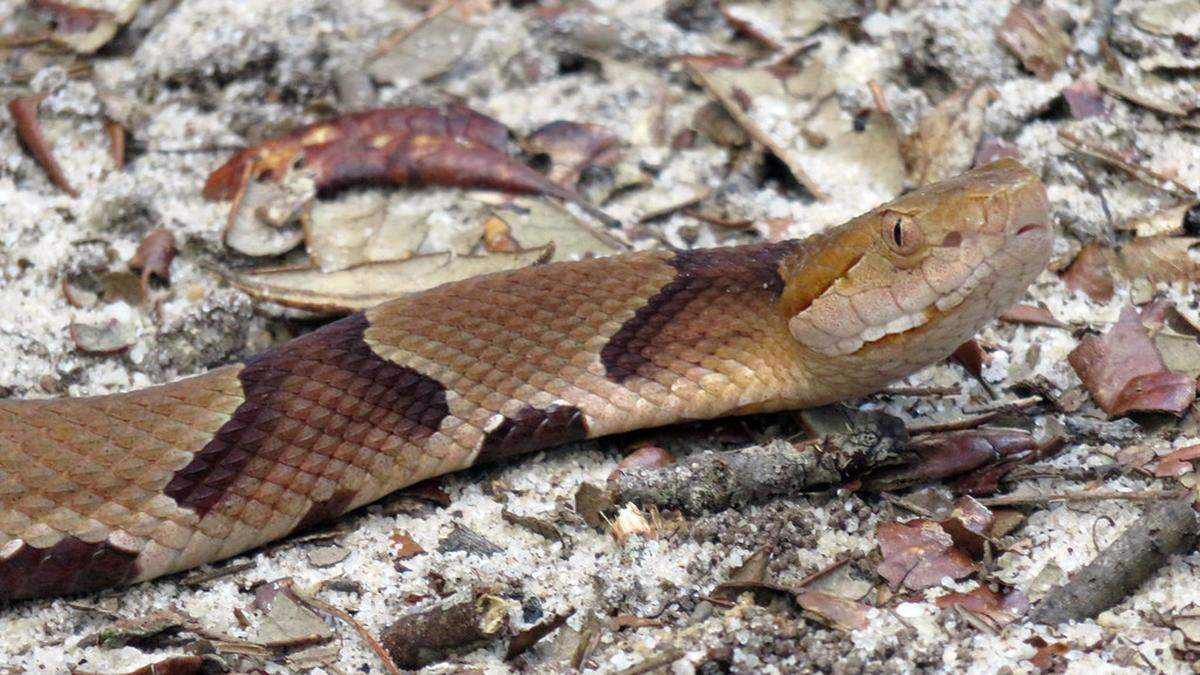
Copperhead
This is the state’s most common venomous snake and the venomous snake seen most often in the Lowcountry. They are often colored tan, yellow or various shades of brown and have hourglass-shaped bands across their body. They can be anywhere from 24 to 40 inches long and dwell in a wide range of habitats including mountain coves, forests and swamp areas.
Coral snake
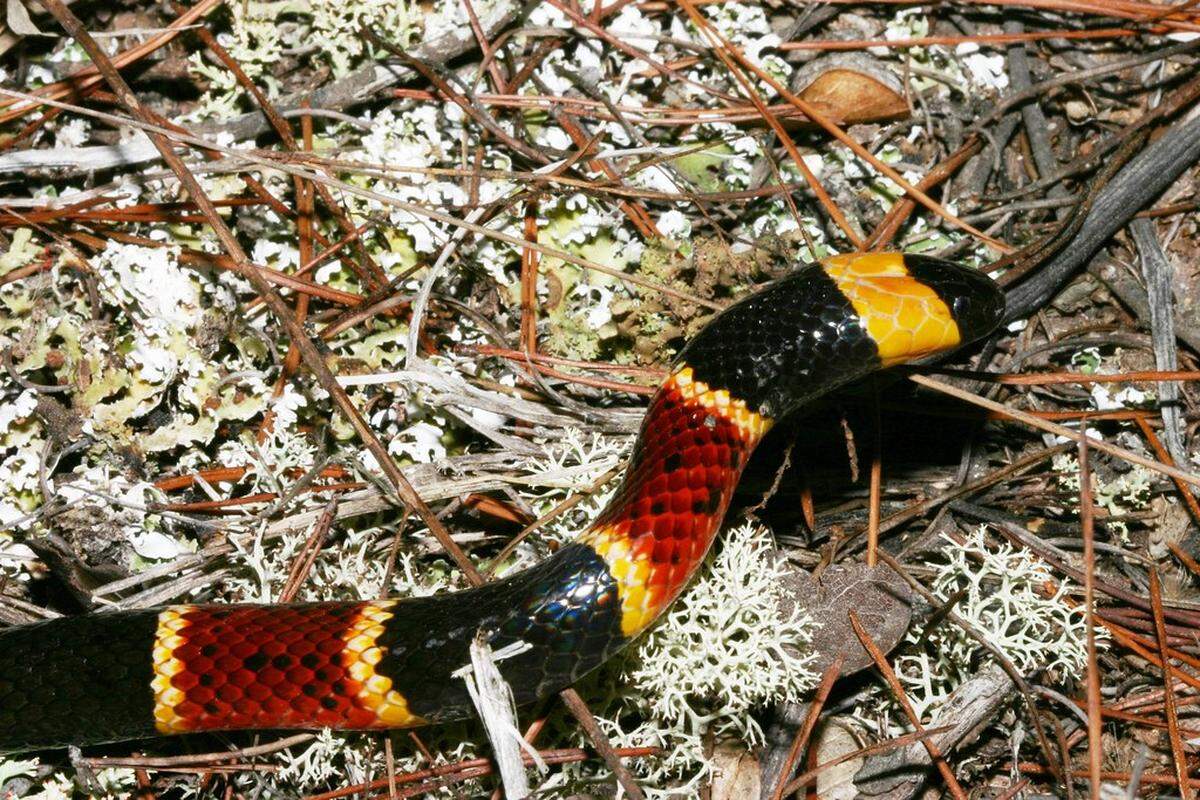
This snake is a member of the family of snakes called elapids, which includes some of the world’s deadliest snakes such as cobras. They can measure between 18 and 30 inches and are identifiable by the pattern of red, yellow, and black rings on their bodies.
These snakes dubbed the infamous rhyme, “red on black friend of jack, red on yellow kill a fellow,” so remember that if the red and yellow touch, then stay away. Coral snakes are also secretive and spend much of their time underground.
Cottonmouth or Water Moccasin
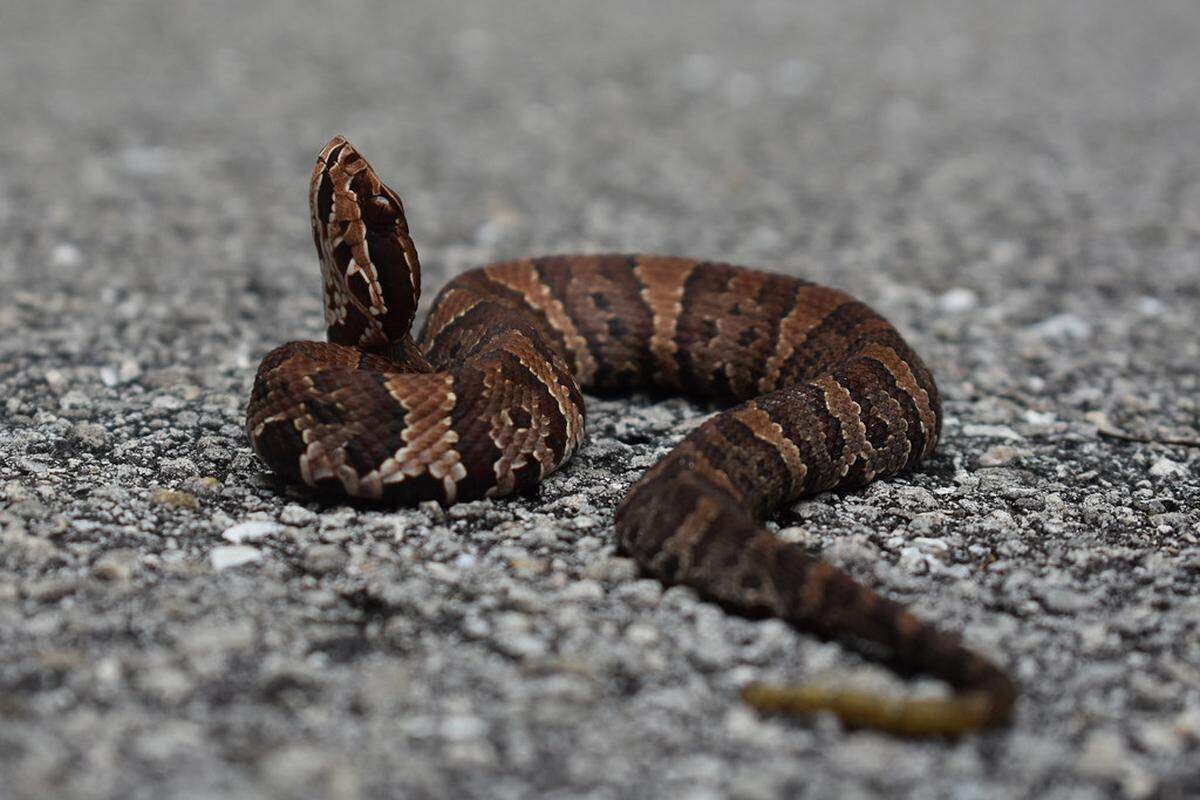
These larger snakes can be found in wetlands and swamps, making the Lowcountry an ideal spot for them. Their coloration varies from dark brown and black to olive and yellow-tan. They are commonly found in bays and lake edges. Cottonmouths are semi-aquatic, meaning they can swim and prefer moist or wet living conditions. Cottonmouths have large venom-filled jowls. They usually vary in color from bright browns and yellows to solid brown or black. Older cottonmouths tend to be less colorful. When encountered by humans, the Cottonmouth will stand its ground and open its mouth.
Pygmy Rattlesnake
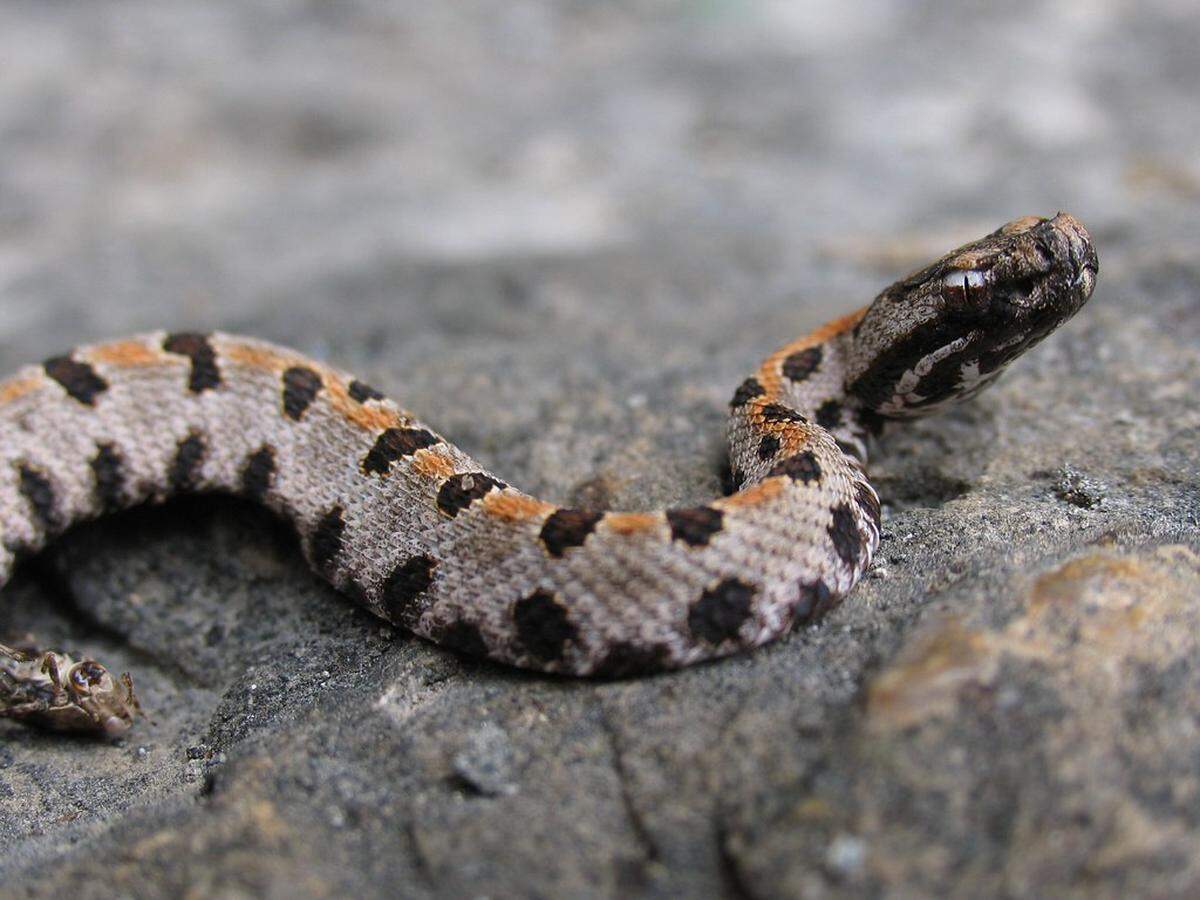
Pygmy rattlesnakes are the smallest rattlesnakes on record. They have tiny sets of rattles that are hard to see and are often not heard by people. They are found just about anywhere throughout the state, except the mountains. The pygmy rattlesnake can grow to a length of between 14 and 22 inches. These snakes have two species in South Carolina, the Carolina pygmy, and the dusky pygmy.
Dusky pygmies often live near water and can be identified by their bluish-gray color or nearly black appearance. Carolina pygmies are gray, tan or lavender in color, but both of these species have spots along their bodies.
Eastern Diamondback Rattlesnake
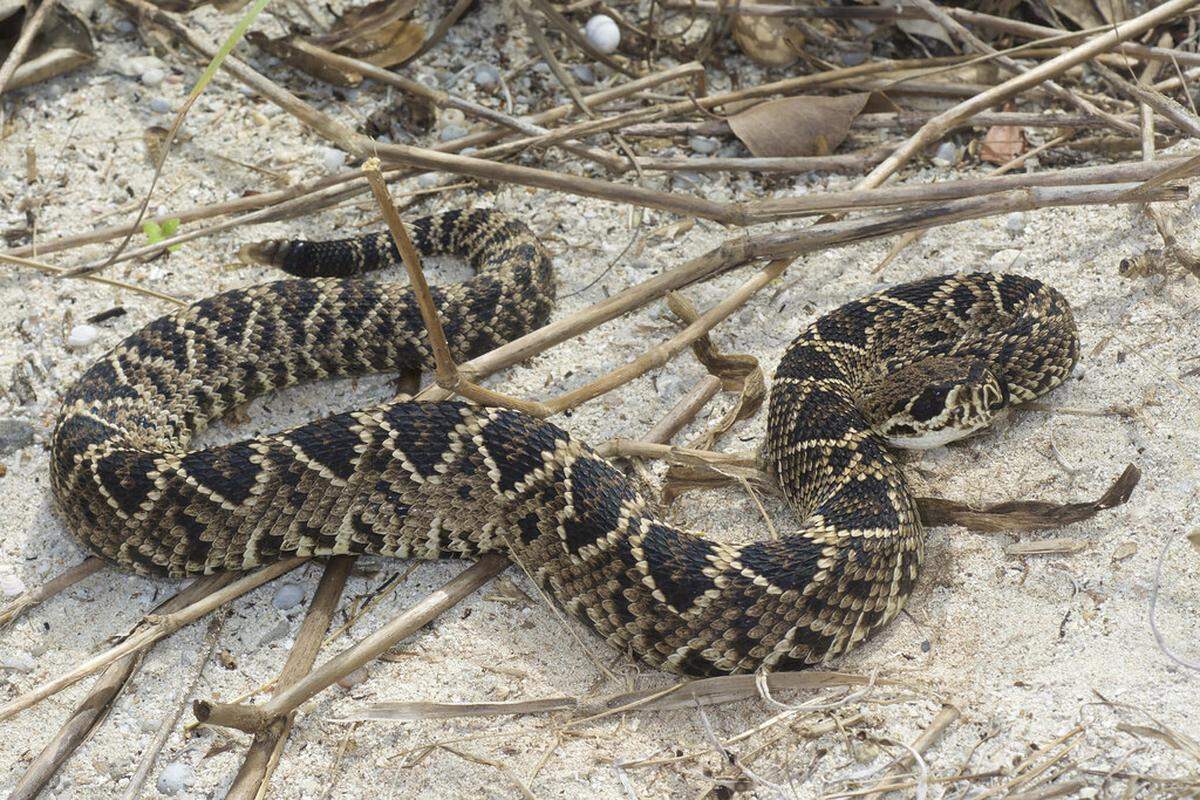
These rattlesnakes are very different from the pygmy and are the largest venomous snake in the state. They range from 3 to 6 feet in length and sometimes weighing over 10 pounds. Eastern diamondback rattlesnakes can be identified by the diamond pattern on their bodies, which usually overlays brown, tan or yellow scales. It’s rare to see these snakes slithering around urban and suburban areas.
Timber Rattlesnake
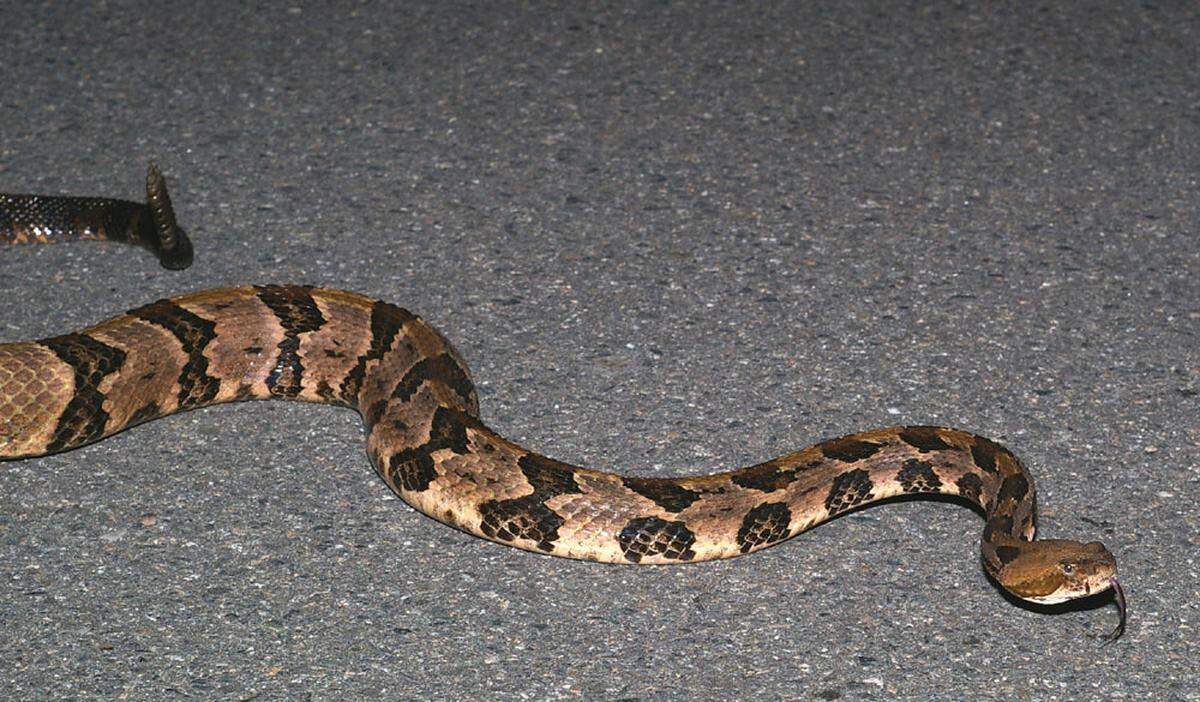
This other species of rattlesnake has two different forms, the mountain form (often called the timber rattlesnake) which is yellow to black in color, with dark cross-bands across the back and the Piedmont-Coastal form (otherwise known as the canebrake rattlesnake) that is tan but can vary from pink to light orange. Both of these species have solid black tails and v-shaped patterns on their backs.
These snakes can reach lengths between 30 and 60 inches and spend much of their time coiled up. They often live in rural areas and are most active when it’s warm outside.
Most common kinds of snakes in South Carolina
Not all snakes are venomous, so it’s good to know the difference to understand which snakes to watch out for.
Here are some snakes commonly found throughout the South Carolina Lowcountry that are not venomous, so you can take a breath of relief if you see one of these slithering around.
These snakes are slim and found in forest areas, wetlands and fields. They are only active during daylight hours. They usually flee quickly if you get near them, but will sometimes strike if provoked or if you get too close.
Brown snakes are named after their appearance, but can sometimes have yellow, red or gray tints. These snakes are often found in residential areas and are sometimes called “city snakes”. They hide under leaves or logs and are active in the evening.
Corn snakes are colorful and can be easily spotted with their array of orange, red, yellow and brown blotches. They are often mistaken for venomous copperheads. They spend most of their time underground and can be found in suburban and agricultural areas or around old buildings and barns. They are active both day and night and will not bite unless provoked.
Garter snakes are often noticed by the three yellow stripes that go down their darker-colored body. They can be found in woodlands and marsh areas and are typically found in lakes or streams. Garter snakes can be active day or night and are seen throughout the year, including warm winter days.
Part of the constrictor family, these snakes are often larger and glossy-looking. King snakes have white or yellow chain-link markings. They often live in forests, swamps, tidal wetlands and suburban areas. They are active almost exclusively in daylight, with summer mornings being the most prevalent.
These tiny bright green snakes are the most common and most harmless of the snakes you can find in the Lowcountry. These little guys are fairly long, slender and spend most of their time climbing and blending in with nature. At night, they like to sleep in shrubs.
There are a variety of these semi-aquatic snakes in South Carolina which are often found in wetlands and ditches, but are also known to be seen in reservoirs. Although non-venomous, some water snakes have a painful bite.
Rat snakes usually vary in colors such as black, yellow and gray. They dwell in a variety of habitats including forests and swamps. Their hidden talent is their ability to scale brick walls.
To learn more about the different kinds of snakes native to South Carolina, visit the SCDNR webpage.
What to do if you get bit
While South Carolina is no stranger to dangerous wildlife, most of the snakes you encounter are benign and will not harm you unless you get too close or bother them.
As a general rule, it’s best to keep your distance from any snake you see, no matter if you’re out in the woods or just in your backyard. Most bites occur when people get too close to snakes.
If a snake does bite you, here are some tips to be prepared:
If you think you have been bitten, get help immediately, especially if you are unsure about the type of snake that bit you.
Know what to look for: Snake bites will often cause swelling and moderate to severe pain. Skin discoloration and twitching skin on the area can indicate a venomous bite. Venomous bites can also cause nausea, vomiting, and dizziness.
Once you have identified the snake bite, seek help immediately. Call 911 or get to the nearest hospital or clinic.
Do not elevate your wound, you want to keep the bite below heart level.
Do not touch or do anything to the bite area, it’s best to leave it be and let medical professionals help.
Do not apply a constriction band or tourniquet, as you may cut off circulation.
If your furry friend gets bit, do not administer Benadryl or antibiotics as they do not help treat the bite, and may make your pet feel worse. Take them to the closest emergency vet and confirm that they have antivenom treatment.
For more tips and guidance on snake bite care and safety, visit the National Snakebite Support website.
Why are snakes important?
Even though snakes can be scary creatures to see, they serve an important role in the environment by keeping rodents and other pests at bay.
In most cases, snakes are harmless and will not bite or bother you unless you do something first. Always keep your distance and stay cautious of any kind of wildlife you see to stay safe.
This story was originally published March 19, 2025 at 6:00 AM.