Below freezing weather, likely snow headed to Hilton Head. Here’s how to protect your pipes & home
Another round of cold weather and possible snow are swooping into the Lowcountry this week.
According to the National Weather Service, the Hilton Head area could see snow late Tuesday afternoon into the evening. Also, temperatures are expected to drop into the 20s every night through Saturday this week.
The NWS has already issued a cold weather advisory for the area that is set to last through Thursday.
With all the icy cold weather on the way, it’s important to know how to prepare (other than bundling up in your thickest jacket and warmest boots).
What is a hard freeze?
As the oddly cold temperatures settle in, a hard freeze may impact the area. A hard freeze is a period of at least one hour when temperatures are at or below 28 degrees.
Hard freezes can cause pipes to freeze and burst, issues for water and wastewater facilities and impact plants and vegetation. According to the National Weather Service, outdoor plumbing instruments like sprinklers and pools can also be impacted.
According to Farm Bureau Insurance, South Carolina homes are particularly susceptible to damage from cold weather in certain areas including pipes in attics, crawl spaces and outside walls when a hard freeze arrives.
With these colder-than-normal temperatures, many homes along the coast with exposed water pipes and other water outlets may be vulnerable.
As temperatures are anticipated to dip as low as 26 degrees on Thursday next week, it’s good to know how to keep yourself and your home safe.
Here are five ways to prepare your home for colder weather:
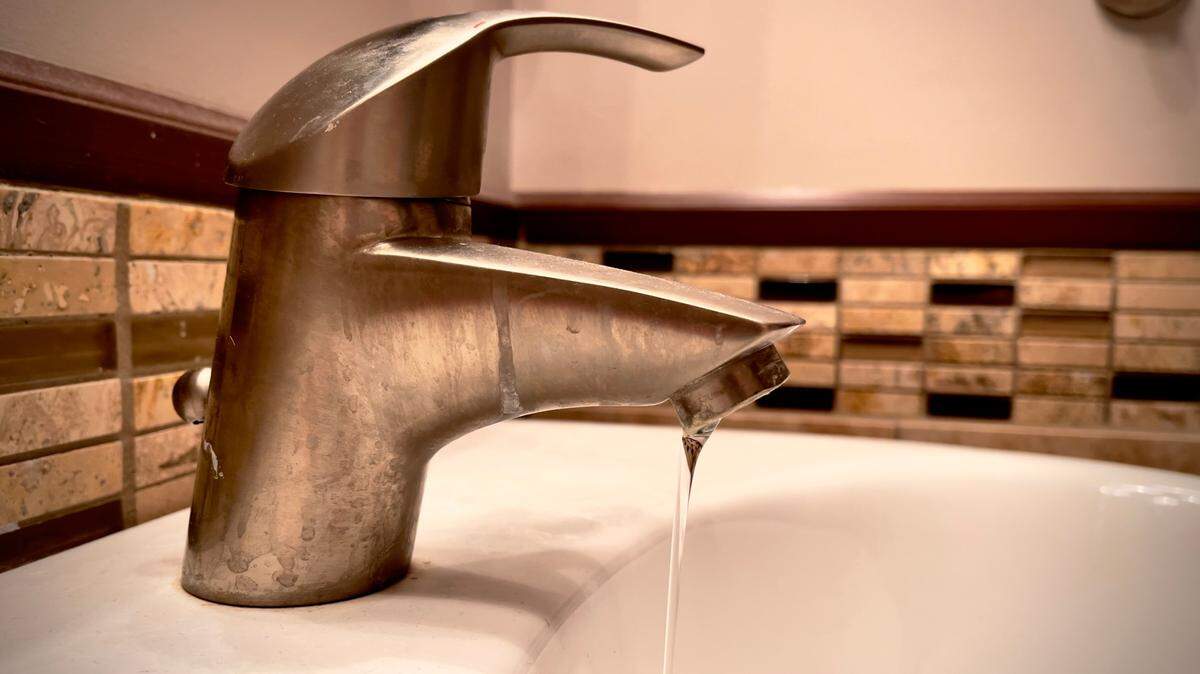
Drip your faucets slowly for the duration of the freezing temperatures to keep a constant flow of water through pipes that are vulnerable to freezing. It’s best to turn the faucet on before going to bed (before colder evening temperatures hit) and turn it off in the morning.
Although ice can still form, an open faucet allows water to escape before the pressure builds for a pipe to burst. If your faucet does stop dripping without you turning it off, this could be an indication that ice is blocking the pipe. If this happens, continue to keep the faucet open as the pipe still needs the pressure relief.
Remove and store any hoses indoors during the winter.
You can wrap exposed pipes with insulation sleeves, which can be found at your local hardware store.
Know where the location of the main water shut-off valve is in your home. This is important to know so it can be shut off quickly in the event of a burst water pipe or leak.
Open kitchen and bathroom cabinet doors to allow warm air to circulate around the pipes.
Other winter weather tips
Do not drive unless you have to. Staying off the roads, unless absolutely essential, will help ensure the safety of all and facilitate the efforts of emergency services.
Check on your vulnerable neighbors, friends and/or family to ensure they’re prepared for weather changes.
Bring your pets inside. If they’re too large to come indoors, make sure they have adequate shelter and access to extra food and fresh water.
- To protect your plants, bring them indoors. If that’s not possible, you can cover them with sheets preventing the frost from coating them.
- Wear warm clothing: Dress in warm layers of loose-fitting, lightweight clothing. Wear a hat that covers your ears. Wear mittens and cover your mouth with a scarf to protect your lungs. Wear waterproof, insulated boots to keep your feet warm and dry and to maintain your footing in ice and snow.
This story was originally published January 21, 2025 at 10:10 AM with the headline "Below freezing weather, likely snow headed to Hilton Head. Here’s how to protect your pipes & home."