Hilton Head gave developers incentives to build workers houses. They didn’t work
What good are workforce housing development incentives if nobody uses them? A laundry list of restrictions paired with the recent increase in borrowing costs and costly land prices in Hilton Head have rendered a well-intentioned incentive plan largely useless.
In the over three years since the Town of Hilton Head put its workforce housing incentives in place, no developers have taken advantage of them, according to spokesperson Andrew Davis.
The council adopted a commercial conversion incentive in November 2020 and a density bonus incentive in February 2021 to encourage developers to build affordable housing, but the policies aren’t having their intended influence. The commercial conversion incentives are intended to make it easier for developers to turn commercial space, such as a vacant office or warehouse, into housing. The density bonus allows developers to double the number of units they can offer under specific conditions.
Not only haven’t any developers used them, but some opt to build workforce housing on their own, avoiding the restrictions that come with entering into a workforce housing agreement with the town and receiving the incentives. Or, they don’t qualify for them in the first place. The town defines workforce housing as affordable at 60-100% of Beaufort County’s area median income.
Here’s a list of some of the stipulations of entering a workforce housing agreement with the town, with some exceptions for existing mobile home parks:
- No seasonal workers
- No group living by people who aren’t a single family, meaning no dormitory-style living
- No waterfront properties
- No properties near the airport
Properties on some parts of the island can’t have vehicular access to U.S. Route 278
Properties on some parts of the island can’t have access to Marshland Road
- No more than 12 units per acre
No frontage on Jarvis Creek, Broad Creek or Old House Creek
- Only at least three-acre properties, zoned in low-to-moderate density residential areas and located near minor arterial roads
- No developments within single-family subdivisions or permanent multifamily developments
A minimum program affordability period of 30 years
The Greenplate family are latest developers who didn’t enter a workforce housing agreement with the town. They developed a two-story building within walking distance of Coligny Beach that will house 48 of the Sea Pines resort’s cooks, cleaners and other service workers in what was previously a bank. The project makes a small dent in the around 14,800 workers commuting to Hilton Head daily. Many of those commuters cite housing costs as the reason they can’t live on the island, according to the town. Frequent traffic on the U.S. 278 corridor and short-staffed stores and restaurants exacerbate the need for affordable on-island housing, and the incentives were intended to help.
“It is interesting that developers haven’t picked up on (the incentives); but if you look into it, it’s not all that surprising,” Hilton Head Town Council Member David Ames said.
When the town council created the incentives, it added clauses disqualifying developments in certain areas and seasonal workers because of overcrowding concerns. Three years later, the data calls into question whether developers aren’t using the incentives because they’re too restrictive or aren’t encouraging enough. It could also be a byproduct of it being costly for developers to build affordable housing on the island in the first place, which is what Ames said he believes.
“Density won’t make up the difference. The land costs and the development costs are just too high,” Ames said of the density bonus.
He reasoned that even if developers receive more income from more renters, it doesn’t make up for the average $924,144 per acre cost of Hilton Head land, plus rising construction costs.
“There has to be capital kicked into the project to close that gap,” he said.
Lee Lucier, chief operation officer for the Richardson Group, had similar comments. Before the town enacted the incentives the Richardson Group converted a vacant three-unit building into housing for 38 on the island’s south end in 2019.
He said if the town had the density bonus when construction and financing were less costly, before the COVID-19 pandemic, developers would have jumped on the density bonus.
“The bonus is great,” he said. “It’s just difficult to utilize it when you have so many other cost factors that you’re fighting.”
The uncertainty of whether developers will make a profit with affordable housing helps explain why Mayor Alan Perry said there isn’t any talk of revising or expanding the initiatives within the town council. Therein also lies the town’s shift away from the incentives and towards putting money into public-private partnerships, such as $1 million toward the Northpoint initiative, which is projected to be complete by 2026.
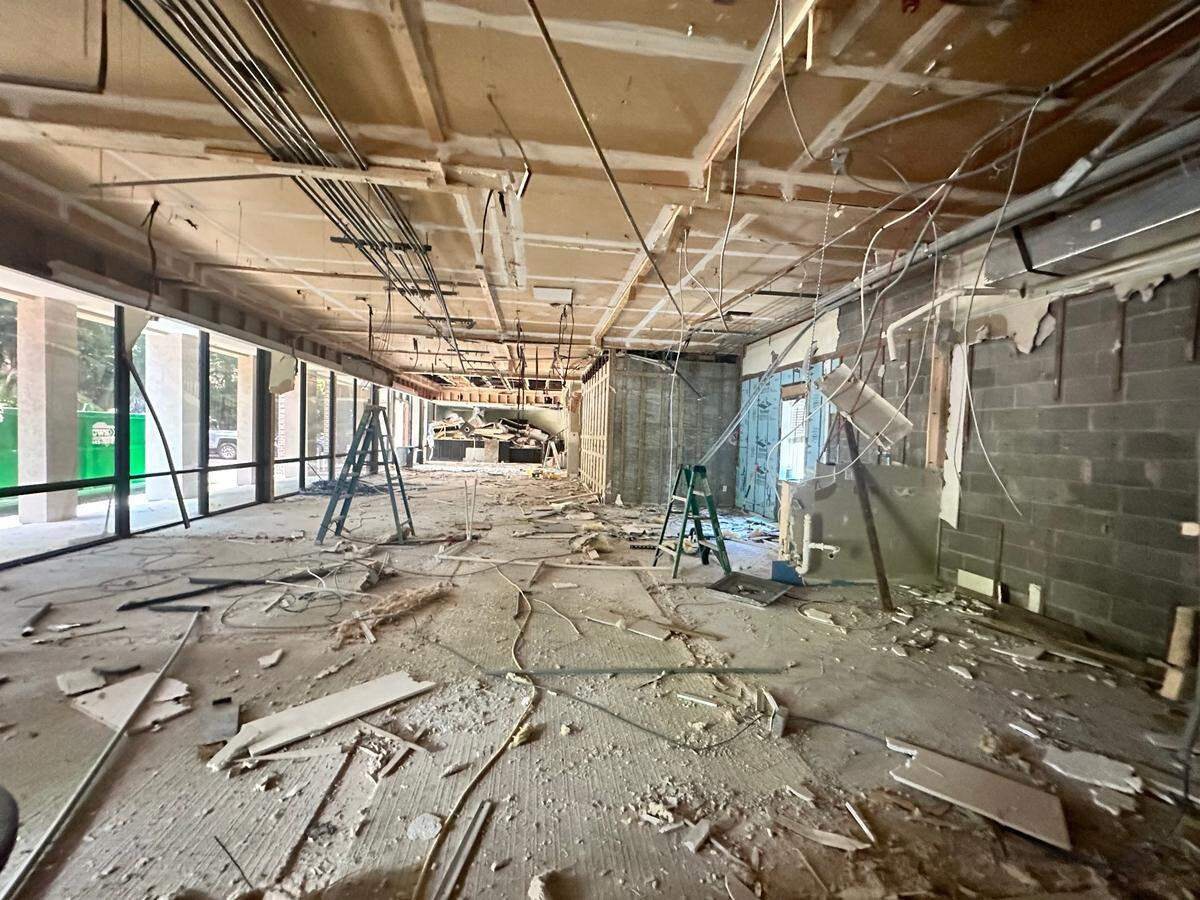
That doesn’t change that even when developers are willing to take on the construction costs, have the land, and receive the financial backing, they’re not qualifying for the incentives.
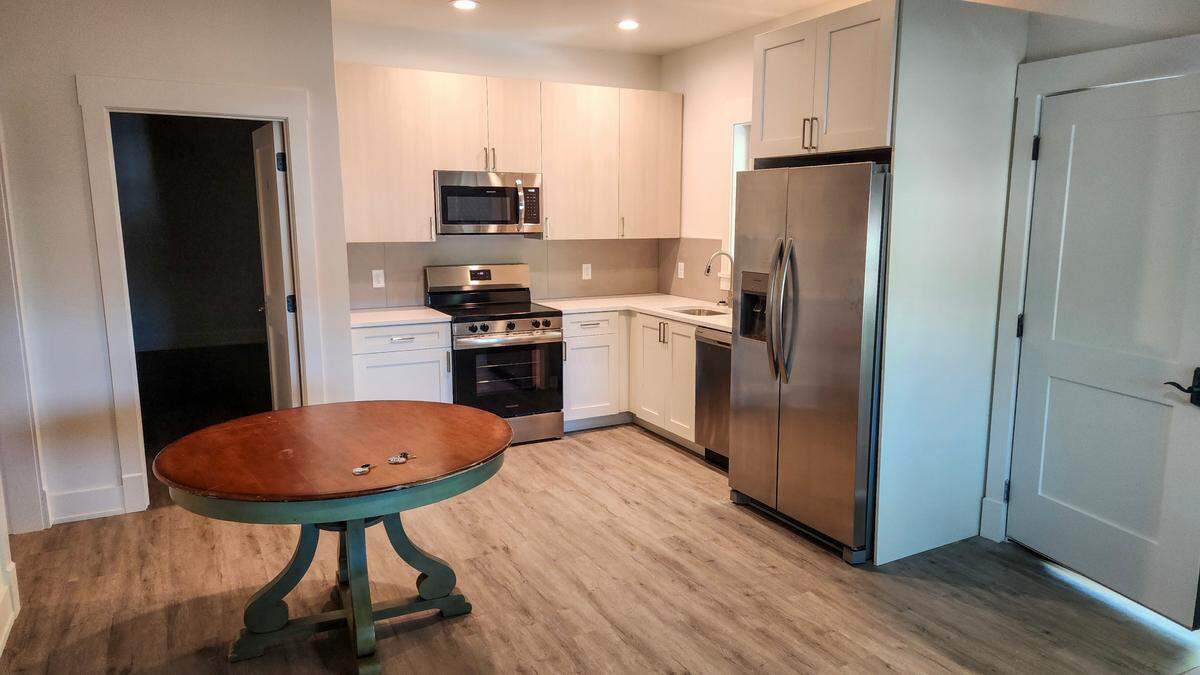
Last month, the Greenplate family turned a Hilton Head retail bank building into affordable housing, called 36 South. Despite the project being for Sea Pines workers, the incentives “didn’t fit the project,” according to Brandon Greenplate.
Group living situations, such as the dormitory-style living at 36 South, aren’t eligible for the incentives. The development wouldn’t fit into other restrictions either, including the stipulation that the property would have to be at least three acres. It’s a little more than half an acre.
Ames said the goal of these restrictions was to ensure spaces that the town was proud of and that were respectful of the workers who live in them. It was also to discourage a “constantly cycling tenant pool.”
“We were trying to establish a more permanent residential situation in those circumstances,” Ames said. “I think it’s gotten to the point where we may not have that that luxury today.”
This story was originally published May 16, 2024 at 12:59 PM.