Make your SC home a Monarch butterfly mecca by visiting this major Hilton Head plant sale
Are you looking to upscale your Lowcountry garden this fall?
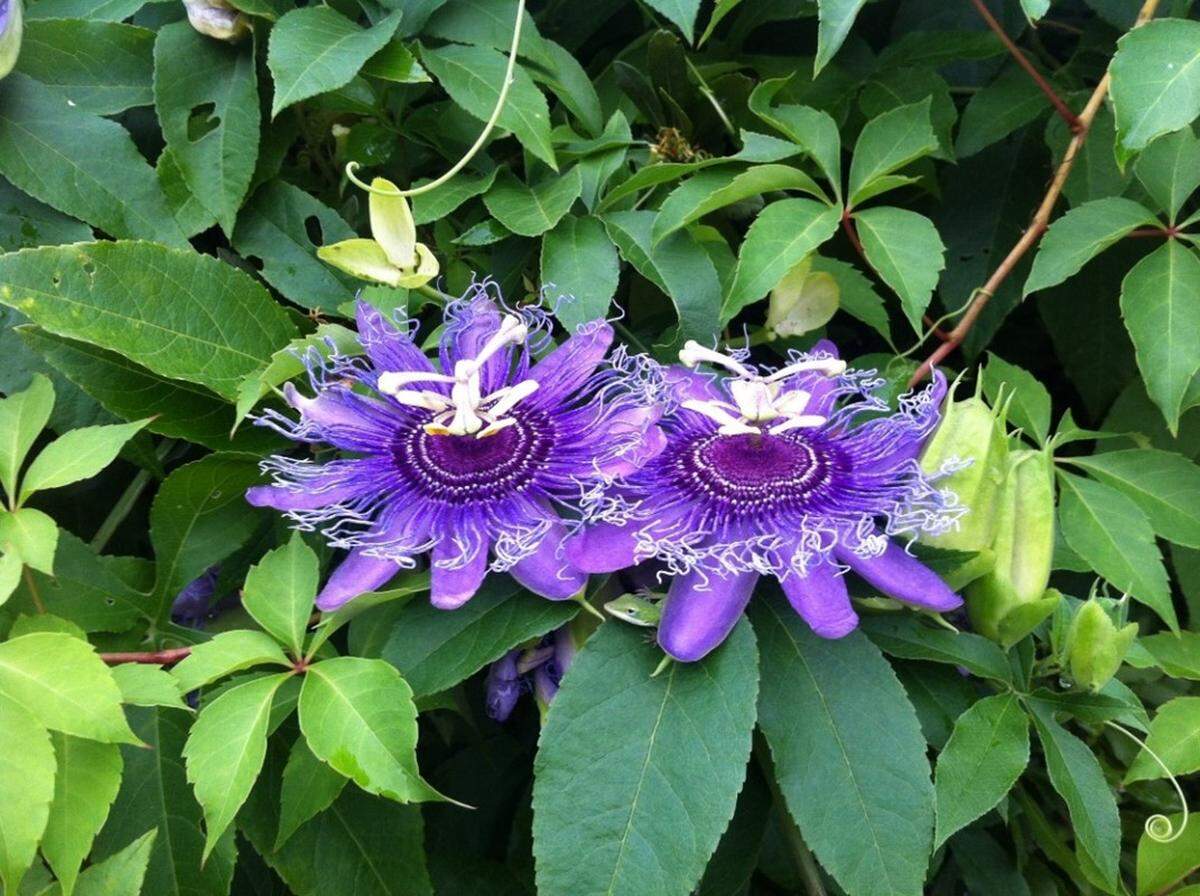
The Coastal Discovery Museum will host its popular Native Plant Sale from 10 a.m. to 1 p.m. on Sept. 23. The museum’s plant sale is set to feature over 90 native plant species to cover attendees’ landscaping needs. Items such as vines, blooming bushes and butterfly friendly plants will be at the sale.
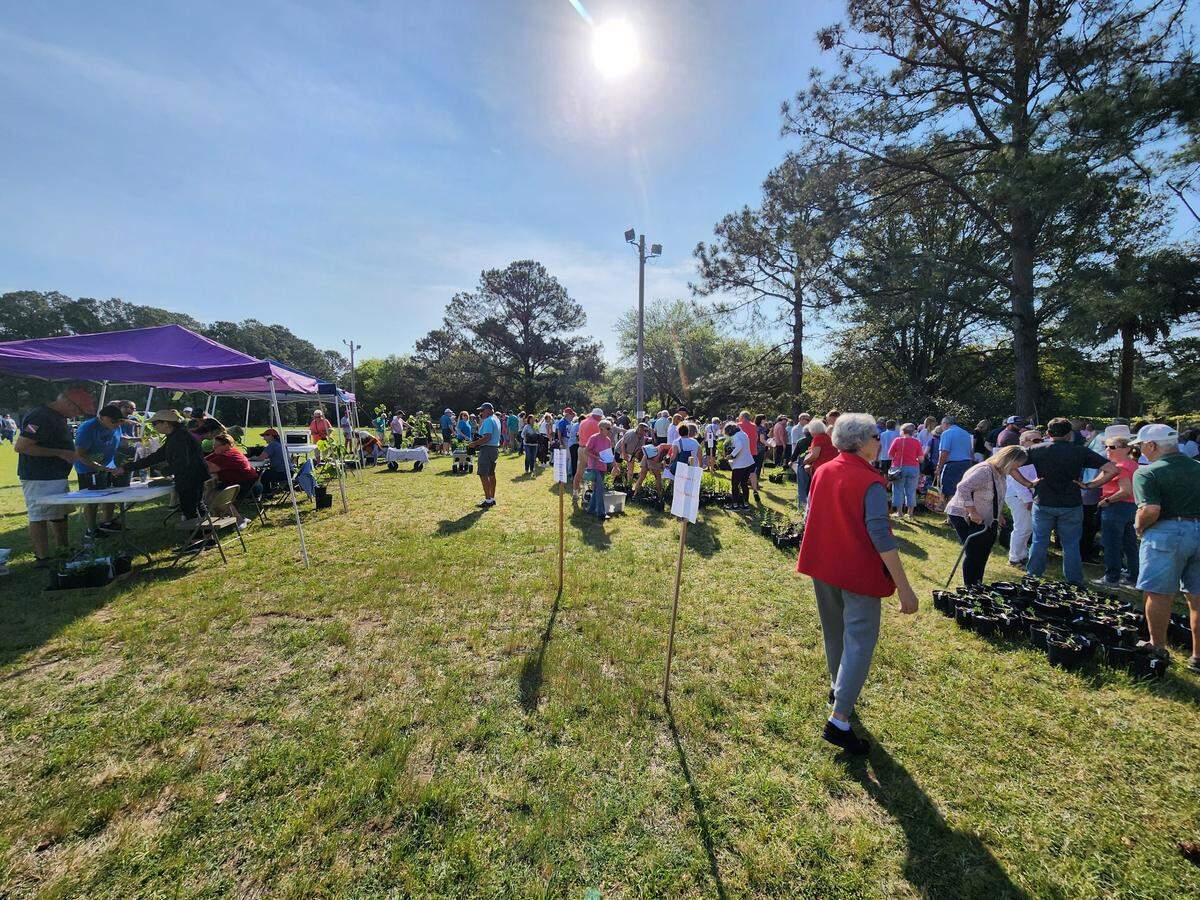
Included in the over 90 differing native plant species are gardening favorites such as four different species of milkweed (Asclepias), false indigo (Baptisia), black-eyed Susans (Rudbeckia) and native ferns, including southern shield fern and southern wood fern.
The milkweed plant is considered one of the most popular native plants at the sale, as it is the monarch butterfly’s host plant in addition to the also popular native azaleas.
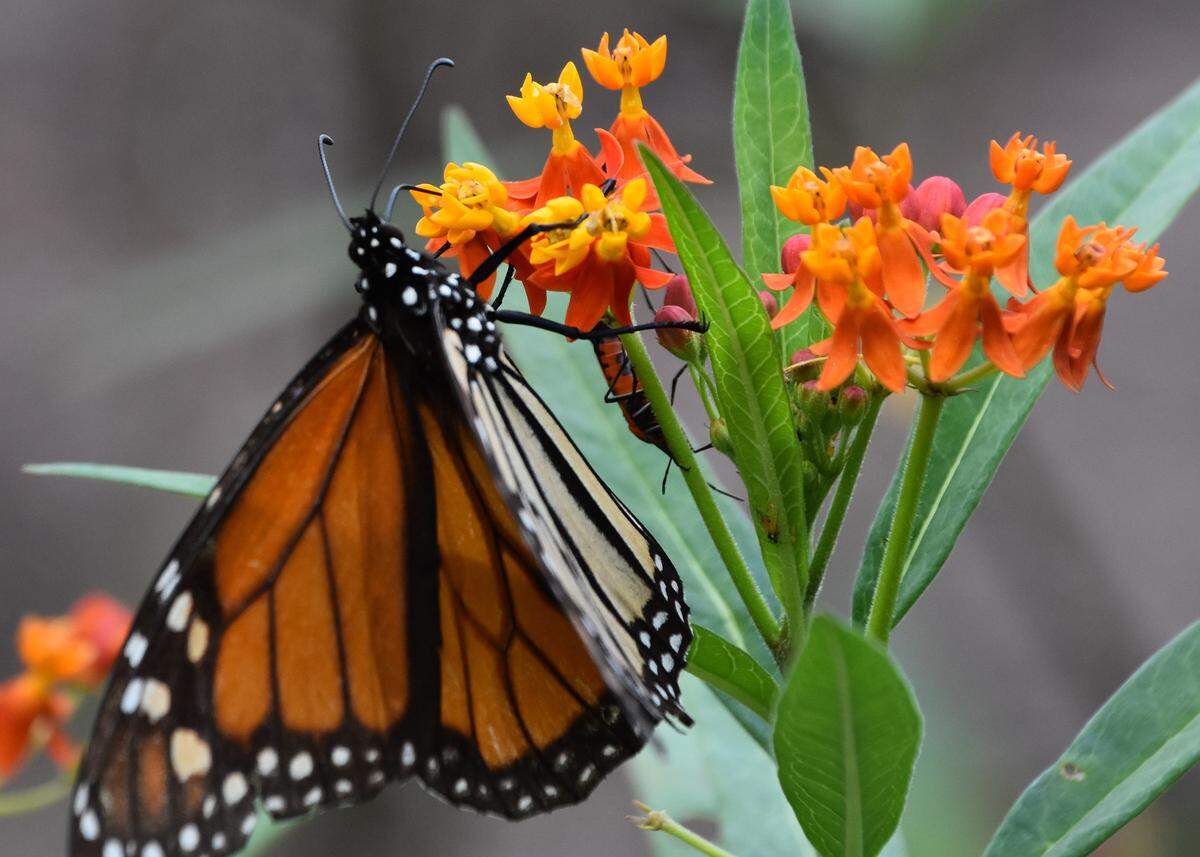
The museum will have a majority of the native Lowcountry butterfly host plants available, given that they are an important asset to any garden and are used by native butterflies to lay their eggs and raise their larvae.
The Coastal Discovery Museum’s native plant sale occurs twice a year in both March and September, which are two of the best months to plant, said Wendy Dickes, the museum’s manager of horticulture.
The summer is often too hot and the winter too cold for plants to get established in the area.
Fall is a great time for planting. It is the recommended time to plant trees and shrubs because the plants are not growing as they do in the spring and can put their energy into getting established. Also, the museum has evergreen plants, and the other plants are perennial, meaning they may go dormant if we have a cold winter, but they will be established in time to come back in the Spring, Dickes said.
Regardless of a little wind or rain, the native plant sale plans to stay open unless storms are prominent in the area or rain begins to consistently pour, then rescheduling may be necessary. However, all the native plant sale volunteers are gardeners. Many are Lowcountry master gardeners and are used to inclement weather.
“A little drizzle does not keep us from our plants,” Dickes said.
Payment for the plants are cash or check only and can be purchased as 1-gallon potted plants for $9 or 3-gallon potted plants for $16.
A list of plants that will be available for purchase at the fall 2023 plant sale can be viewed at https://www.coastaldiscovery.org/wp-content/uploads/2023/08/Fall-2023-Plants.pdf.
The Coastal Discovery Museum and its native plant sale can be found on the north end of Hilton Head Island at 70 Honey Horn Drive and reached by phone at 843-689-6767.