Mosquitoes thrive in the Lowcountry. Here’s what Beaufort County is doing to bite back.
Spraying for mosquitoes began last week in Beaufort County — where marshes and rivers, all breeding grounds for a variety of biting bugs, make up 70% of the landscape.
Three spray trucks began spraying after 11 p.m. Wednesday, Beaufort County said in a news release.
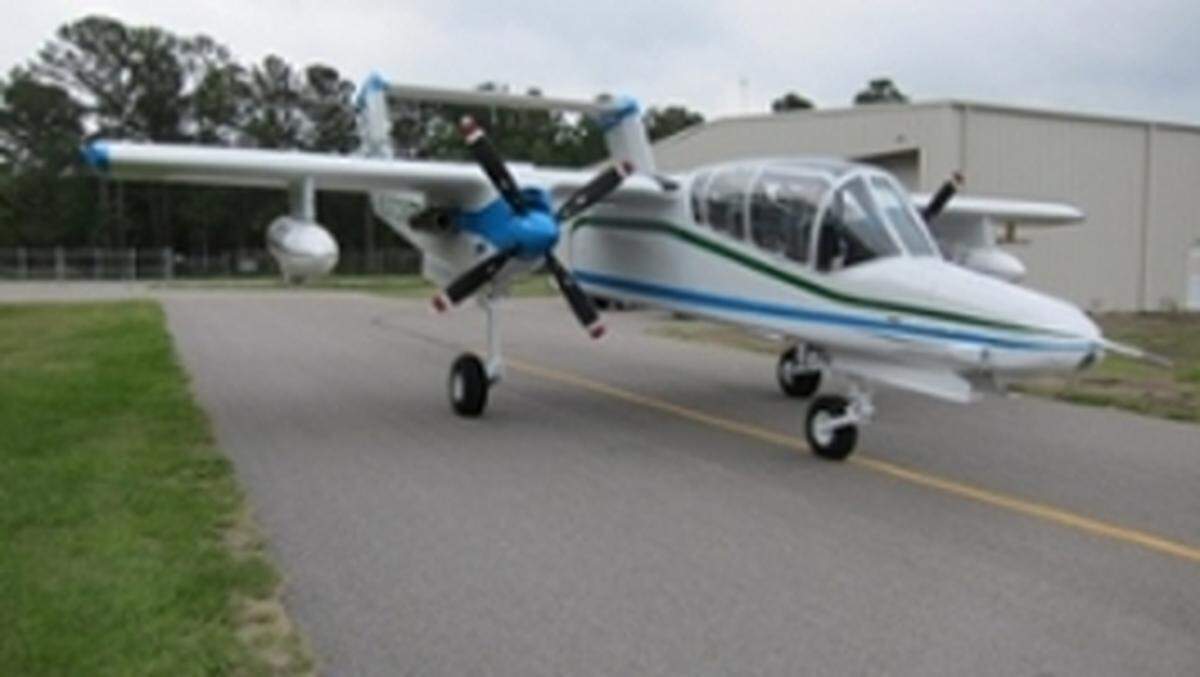
Beginning this week, depending on conditions, the spray schedule will include a plane. A map showing tentative treatment areas is updated weekly on the county’s website.
Here’s 5 facts about the county’s mosquitoes and spraying efforts:
There are dozens of species
53 to be exact. There are 19 different kinds of species under the Aedes genus, making it the most prevalent in the county. Aedes live in tropical and subtropical climates and they are the main mosquito that spreads the Zika virus. The next most common species is the Culex (9 species), which can be vectors for West Nile virus. There are eight species of Anopholes, which are marsh mosquitoes, and Psorophora, which are known for their large size.
Spraying is by ground and air
Ultra-low volume (ULV) sprayers dispense fine aerosol droplets of insecticide that stay aloft and kill flying mosquitoes on contact. ULV applications involve small quantities of pesticide active ingredient in relation to the size of the area treated, typically less than 3 ounces per acre, which minimizes exposure and risks to people and the environment, the county says.
Mosquitoes carry pathogens
Mosquitoes are a nuisance and potential carriers of several pathogens, including eastern equine encephalitis, West Nile and Zika viruses.
Get rid of water
You can do your part to reduce mosquito breeding habitat by discarding water-filled containers, replacing the water in pet dishes and birdbaths daily and weekly. Report dead birds for the state’s tracking program
How to protect yourself
Wear protective clothing, use insect repellent, avoid peak mosquito biting — 1 hour before and 1 hour after dawn and dusk.
For more information
You can request spraying service at 843-255-5800. The Beaufort County Connect app also allows users to easily submit non-emergency requests.