How prayer, perseverance helped Daufuskie Island’s community farm raise money, stay put
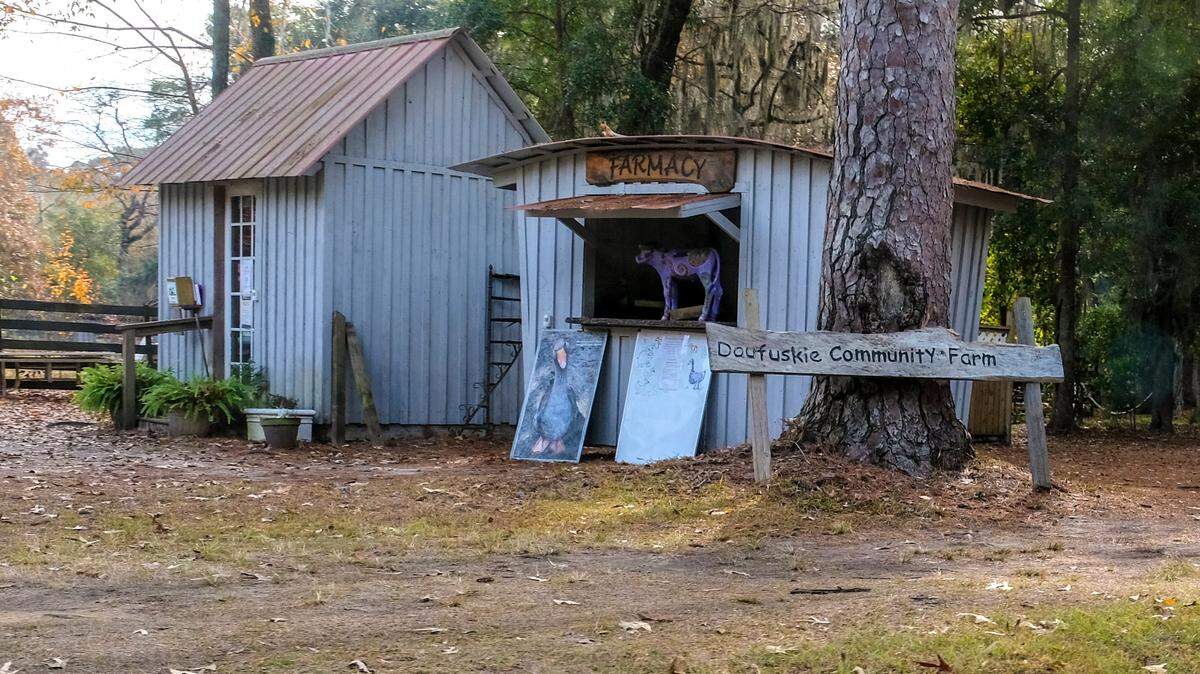
Editor’s note: Owners of the land where Daufuskie Community Farm is located planned to sell the property, not auction it. The headline has been corrected to reflect that.
Pat Beichler, 82, has prayed to the universe countless times over the past decade as she’s run the Daufuskie Community Farm.
Typically it’s late at night, when she can look up and see the stars above the bridgeless, 5-mile-long island she’s called home since 1998.
One of those nights, tired from carrying 55 gallons of water between her home and the farm to feed the goats and chickens — a task she did almost daily — she lifted her head and said: “God. Universe. If there’s anybody up there, if there’s money for a well, I’d appreciate it.”
Fifteen minutes later, there was a knock on her door. Her neighbors were there to stroke a generous check to buy a well for the farm.
Another time, she asked the sky for money for a dairy barn, and minutes later someone called wanting to make a $5,000 donation anonymously. And recently, when she asked for a golf cart charger because hers wasn’t doing well, a friend showed up with a new cart for the farm the next morning.
“I make a point of not asking for things for myself and trying not to be greedy,” she said in a recent interview.
Over the past six weeks, Beichler, known on Daufuskie (including to tourists) as “Ms. Pat,” was scared the magic was gone.
But this farm, which the community built from the ground up, had unified island residents who wouldn’t otherwise be friends. And so on this most important prayer, the universe couldn’t say no.
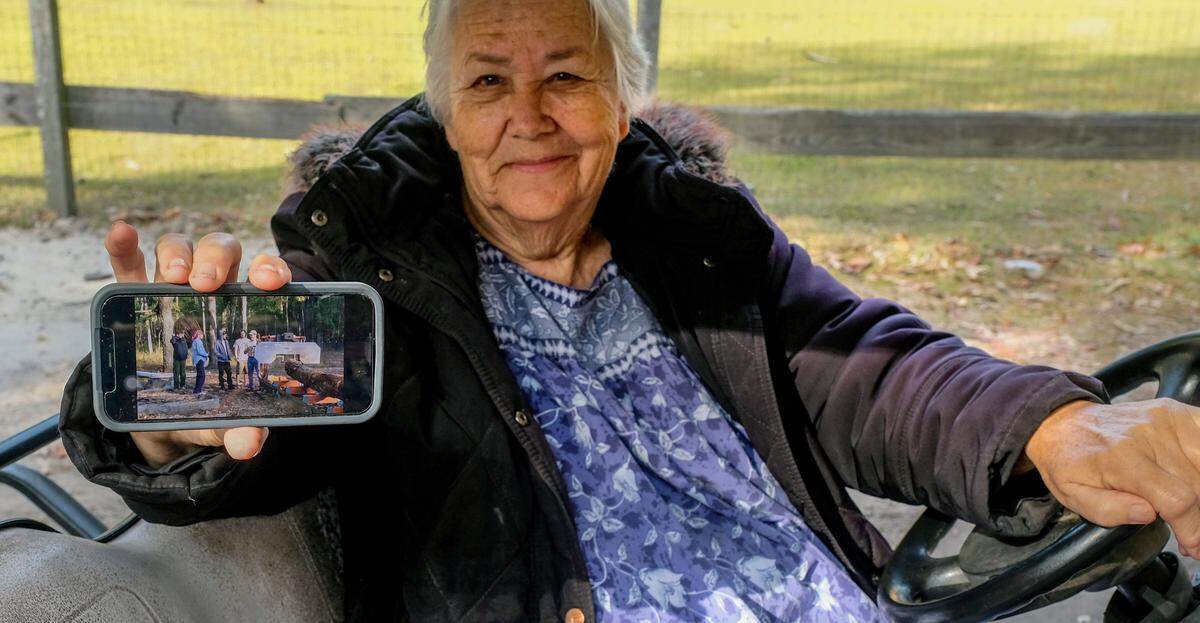
When Beichler founded the farm, she made a deal with fellow residents Bill and Keli Greenwood to lease eight acres they owned for $1 a year. The deal was good for 10 years.
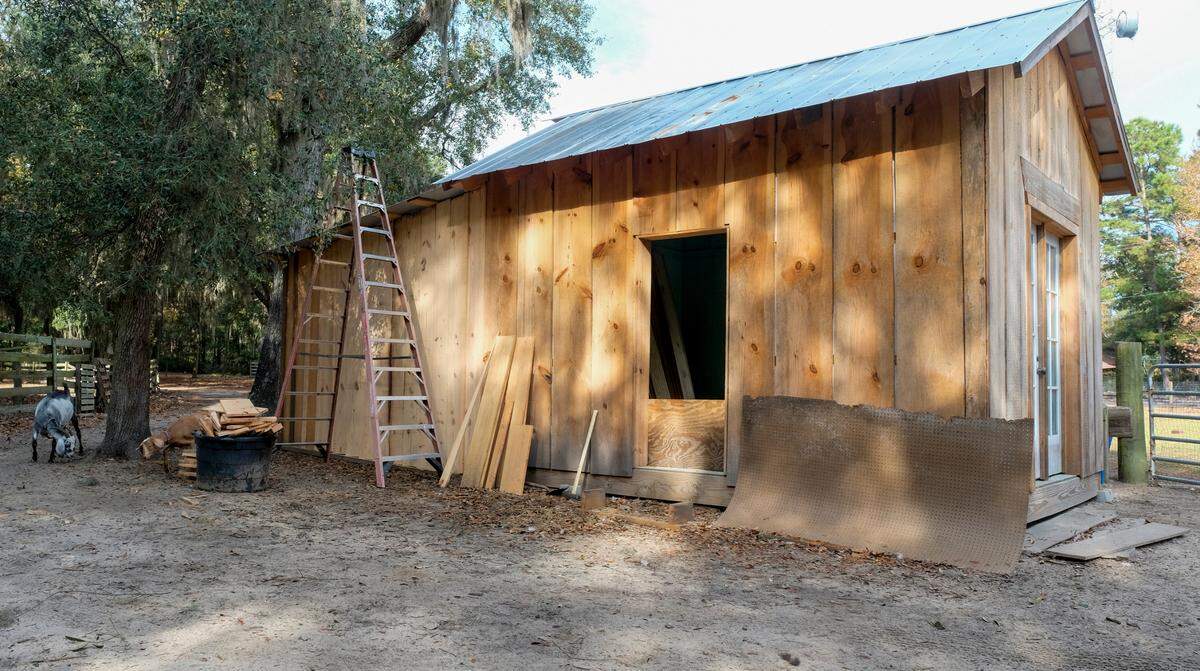
In that time the land was transformed from woods to a cleared lot that now holds 20 structures built from the trees that were torn down, such as the “Quack Shack,” “Cluckingham Palace,” and a blacksmith’s shop.
Animals roam around the farm as they please: 13 goats who wear collars embroidered with their names, chickens, ducks, geese, even a “hambassador” hog.
After the original lease plus a few extensions expired, Beichler was staring at a Dec. 15 deadline: buy the land for $236,000 or possibly lose it.
The farm, a 501(c)(3) organization, is run solely on the “generosity of the community,” Beichler said. Everything is done by volunteers and donations, with tours adding a little money.
“We kind of pay to work here, so we don’t have that kind of money,” Beichler said referring to the purchase price. As the deadline drew closer, she set up a GoFundMe page titled “Save the Daufuskie Community Farm - Help Today!” that generated $9,780.
Closing the farm looked like a probability the past few weeks as Beichler and other volunteers — Farmer Fred, Aaron Crosby and John Tarrant among them — continued to care for the animals, plan the orchard, and dream of what might go in the developing artisan village. Most importantly, they continued to raise money and campaign to remind everyone how much the farm has done for the island and its people.
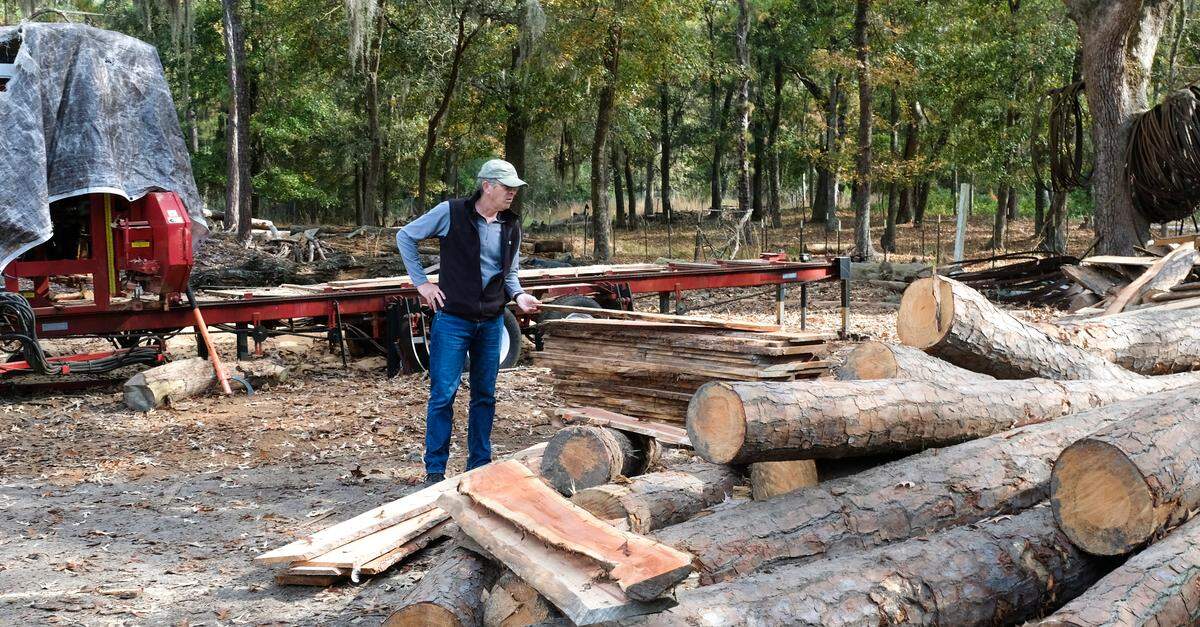
In addition to teaching residents and tourists about sustainability, the farm connected the Daufuskie in a new way, said Crosby, a pastor on the island who’s been with the farm since it was founded.
“The island was segregated, and people didn’t venture out until this pulled them out,” he said. “This started the ‘one island’ thinking and became a magnet for the community.”
People don’t want to lose that, he said.
Now, they won’t have to.
Daufuskie Community Farm successfully purchased the land, former owner Bill Greenwood confirmed Wednesday.
“I did tell Pat a couple months ago, you’re going to have to go to that spot (to talk to the universe) and see what happens,” Greenwood said. “It’s one of those ordinary miracles.”
Beichler said Wednesday that the farm’s ability to secure the loan and get papers signed in time was a “huge relief.”
“I’m pinching myself,” she said. “We just didn’t know what was going to happen for the farm. ... Now we’re poised to go forward, and I’m looking forward to the next 10 years.”
This story was originally published December 17, 2021 at 5:45 AM.