Dog kept chained in pen worries Hilton Head neighbors. His owner says there’s a reason
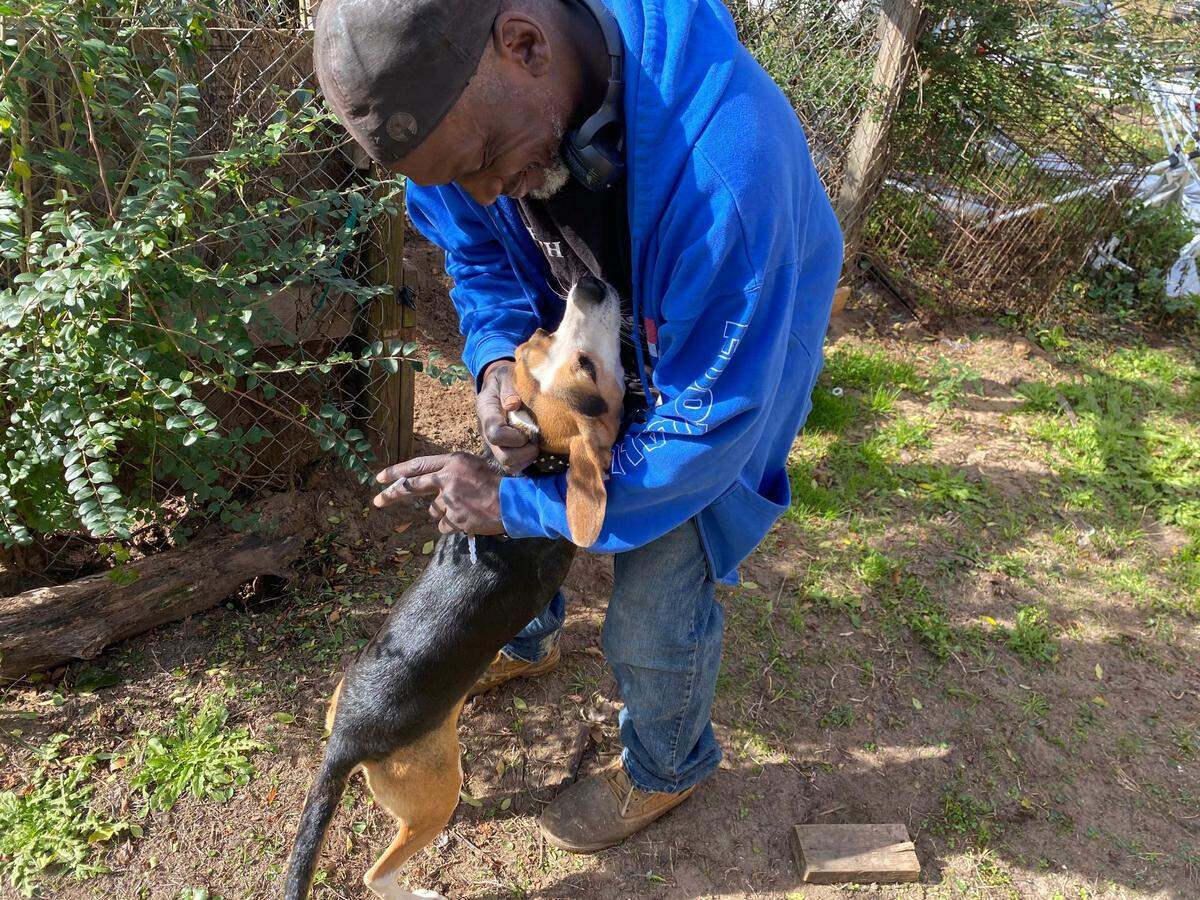
To Keith Simmons, 53, who lives on Marshland Road on Hilton Head Island, the most important things in life are his job and his beagles: Prince, Bear and Isis.
Until Friday, whenever Simmons was away working as a handyman for several hours a day, Bear and Isis stayed leashed in the front yard, and Prince was confined to a makeshift pen.
That angered his neighbors whenever they drove or pedaled by and saw Prince. They posted on the neighborhood app Nextdoor, alleging animal abuse, and the post went viral, resulting in numerous calls to Beaufort County Animal Control to rescue the dog.
The neighbors wanted Simmons to surrender his dogs to a shelter so they could be adopted by someone who would give them a loving home and not keep them confined for most of the day.
But they apparently didn’t know Prince’s history.
Prince was in a pen because in November, a judge, hearing that Prince bit someone three times, designated him as a “dangerous animal.” That’s a legal term that comes with liability for any animal organization. If Simmons were to surrender Prince to Animal Control and he couldn’t be adopted, he would be euthanized.
“I love my dogs,” Simmons said, “and I’m doing the best I can.”
The pen
The Nextdoor post charging that Prince was being mistreated has been deleted.
“Keith, I’m sorry for your situation but I’ve seen your dog/dogs in that cage for the past couple of years,” one Nextdoor commentor wrote on Wednesday. “If you can’t offer them better surroundings because of your situation, please hand them over to the [humane] society so they can find a warm, safe and loving home free from a cage or a chain.”
The Island Packet received emails and pictures from readers, claiming dog abuse.
Several people had asked Animal Control on Tuesday to rescue Prince, agency director Tallulah Trice said.
Simmons “doesn’t have a good setup for these animals,” she said.
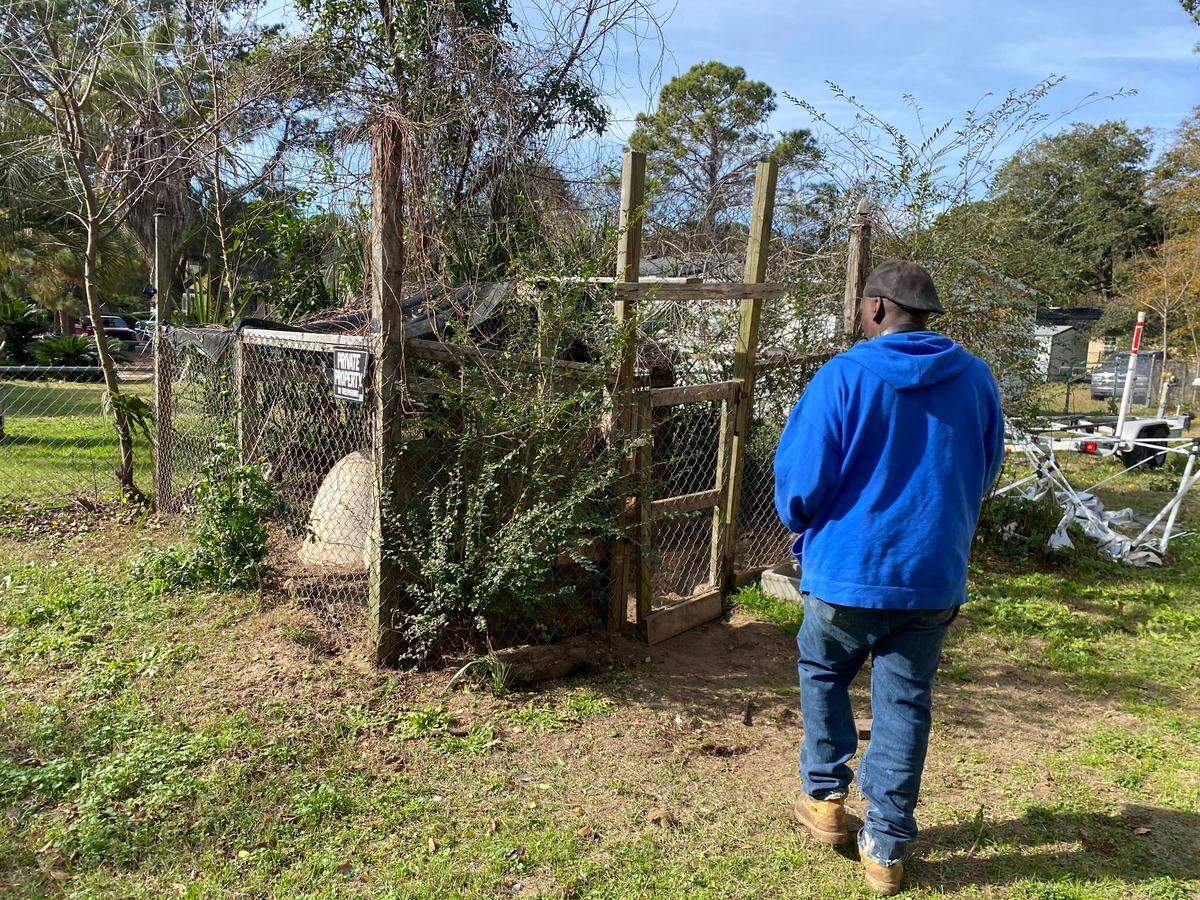
Prince was living in a makeshift pen of fencing. A metal cord leash linked his collar to a center beam.
Simmons acknowledged it wasn’t ideal for the dog, but he said it was the best he could do because he couldn’t afford to improve the pen.
But on Friday morning, Animal Control headed to Simmons’ property to help build a new enclosure for Prince.
It’s big enough to fit Prince, Bear, and Isis, and it has a gravel foundation with a roof on top.
“It’s humongous, man,” Simmons said after he saw the structure. “I know Prince is already excited to get in there.”
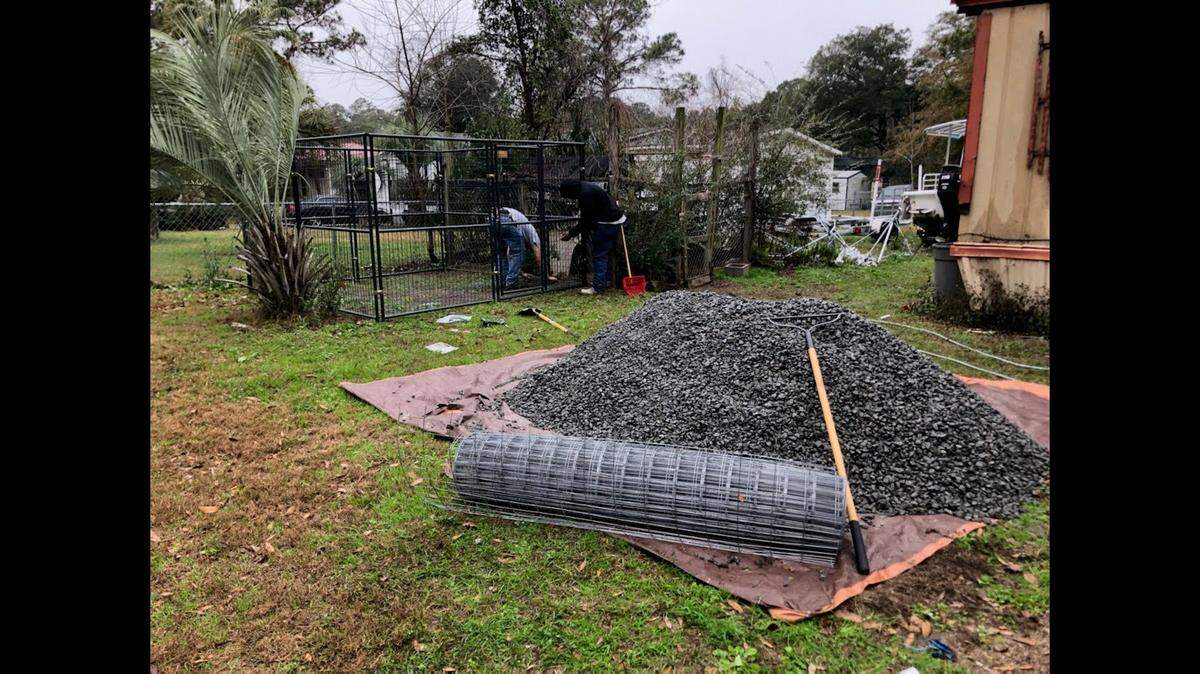
To pay for it, Trice said they used money from the Beaufort County Animal Services fund through the Community Foundation of the Lowcountry. It helps owners like Simmons who can’t afford improvements for their dogs.
‘Dangerous dog’
The new enclosure is important because Prince still has to be confined by court order, Simmons said.
Animal Control took him to court after a jogger accused Prince of biting her three times in September, according to agency director Trice.
“She got bit pretty bad,” she said.
Simmons said Prince didn’t bite the jogger. But he acknowledged the court’s decision, and Prince received a “dangerous dog” designation.
Dangerous dogs must “be securely confined within an occupied house or residence or in a securely enclosed and locked pen or kennel,” according to a Beaufort County ordinance. The animal can’t leave unless it’s muzzled and leashed.
Simmons said he can’t bring Prince into the house because of hazardous construction materials inside, and he doesn’t want to leave him outside muzzled and “defenseless.”
Trice said the agency doesn’t adopt out “dangerous dogs” to individuals because of the safety risk. The agency tries to give them to rescue organizations, but those groups are also wary of the liability.
When all avenues are exhausted, the dog would have to be “humanely euthanized,” she said.
One step forward, two steps back
Simmons felt like somebody was trying “to take his kids away.” The calls from people online for him to surrender his dogs were so frustrating.
Simmons rescued Prince from Savannah three years ago. He said Prince was emaciated then but is now at a healthy weight. The dog is the father of Bear and Isis, both 1-year-old puppies (Isis, he said, is named after an Egyptian goddess). They are his companions in a life that’s been hard on the resort island.
Six years ago, Simmons moved from New Jersey to live in and repair his father’s home after his dad, a Hilton Head Island veteran, passed away from cancer.
He said he has been constantly working to fix up the Marshland home, but it’s barely livable.
Most of the rooms are covered in construction supplies. Naked electrical wiring is visible in the walls. The home needs a new roof and new windows, among other things.
Simmons describes trying to earn a paycheck, fix the distressed home and take care of his dogs, all at the same time, as “robbing Peter to pay Paul.” As soon as he takes care of one issue, two others pop up.
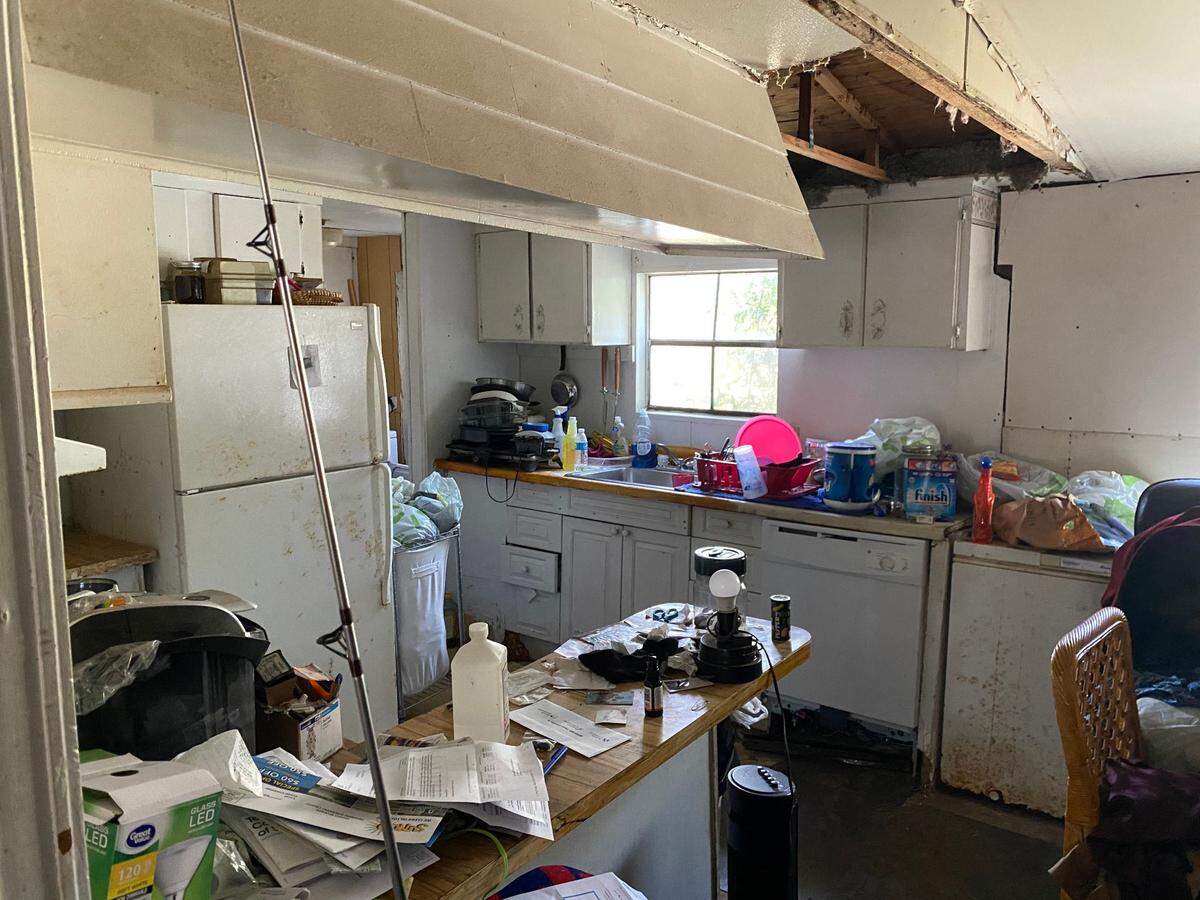
“I’m just fed up, to tell you the truth,” said Simmons. “Once I can get this house removed or get it built to where I want it to be, then I can [move Prince.]”
Tethering laws
Trice of Animal Control said the agency was called to Simmons’ home in 2019 after a complaint that his puppies were in crates on the front porch while Simmons was away at work.
Simmons pleaded guilty to two citations of animal cruelty and was fined $200.
Even though she took Simmons to court over Prince, Trice said the agency would rather help someone keep their dog than punish them. So on Friday, agency workers built a new enclosure for Prince.
.jpeg "IMG_242_fitted (1).jpeg")
“That’s a blessing right there,” Simmons said. “They took a big weight off my shoulders.”
Animal Control can’t do that for everyone, she said.
The core issue in Beaufort County is tethering.
Residents like Simmons who can’t afford, or aren’t required, to have fences are tethering their dogs during the day while they’re away at work.
Many localities have laws banning tethering pets for more than two or three hours at a time. In Virginia, a state law prevents tethering during extreme weather, and specifies tethers must be four times the length of the dog.
Beaufort County’s ordinance states that “no animal shall be tethered during any named tropical storm or named hurricane,” but there are few other county-wide regulations beyond that.
Trice encourages residents of Hilton Head who are concerned to push their town council members for an anti-tethering law, and if they seek to require fences, to keep in mind residents who can’t afford them.
“I don’t have the resources to help the entire county comply,” she said. “If the community wants to build a fund to help people comply, that’s the way to do it.”
This story was originally published January 10, 2021 at 7:00 AM.