Historic Hilton Head lighthouse gets a new look, but its ghost stories remain the same
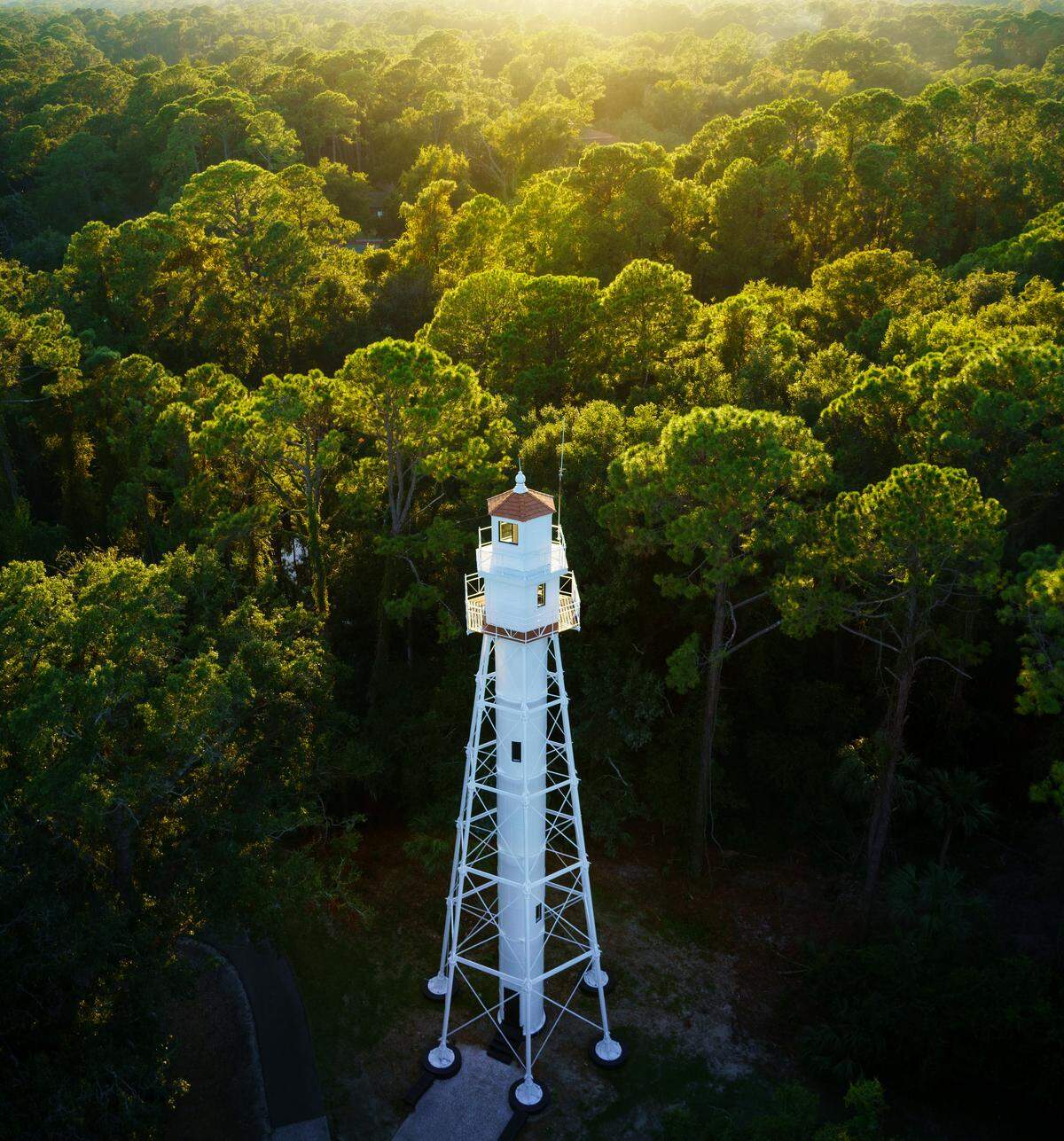
Although it’s certainly the lesser-known of Hilton Head Island’s lighthouses, the Hilton Head Rear Range Lighthouse has gotten a makeover.
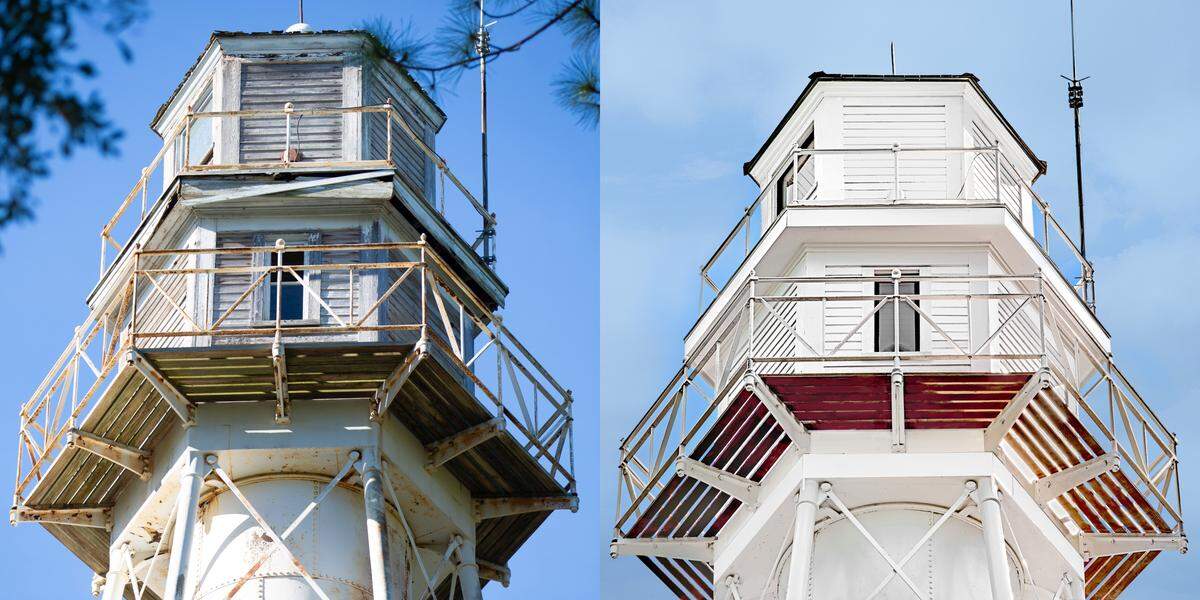
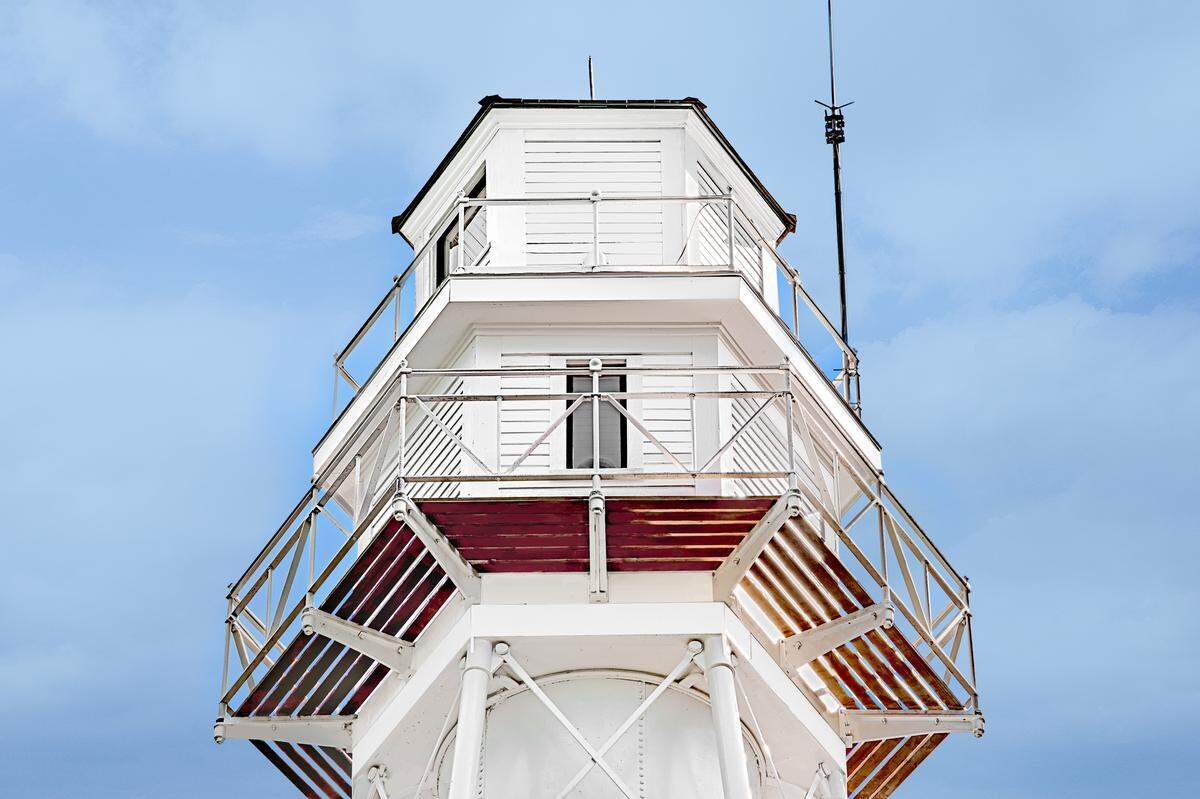
The 94-foot-tall structure, located in the Leamington area of Palmetto Dunes Oceanfront Resort, has a newly stained roof and new 360-degree observation deck boards.
The lighthouse’s windows and doors were replaced and painted in a natural green tone.
The lighthouse is listed on the National Register of Historic Places and is part of the Inventory of Historic Light Stations. It was opened to the public in 1985 and has become a Palmetto Dunes landmark and tucked-away visitor and wedding destination ever since.
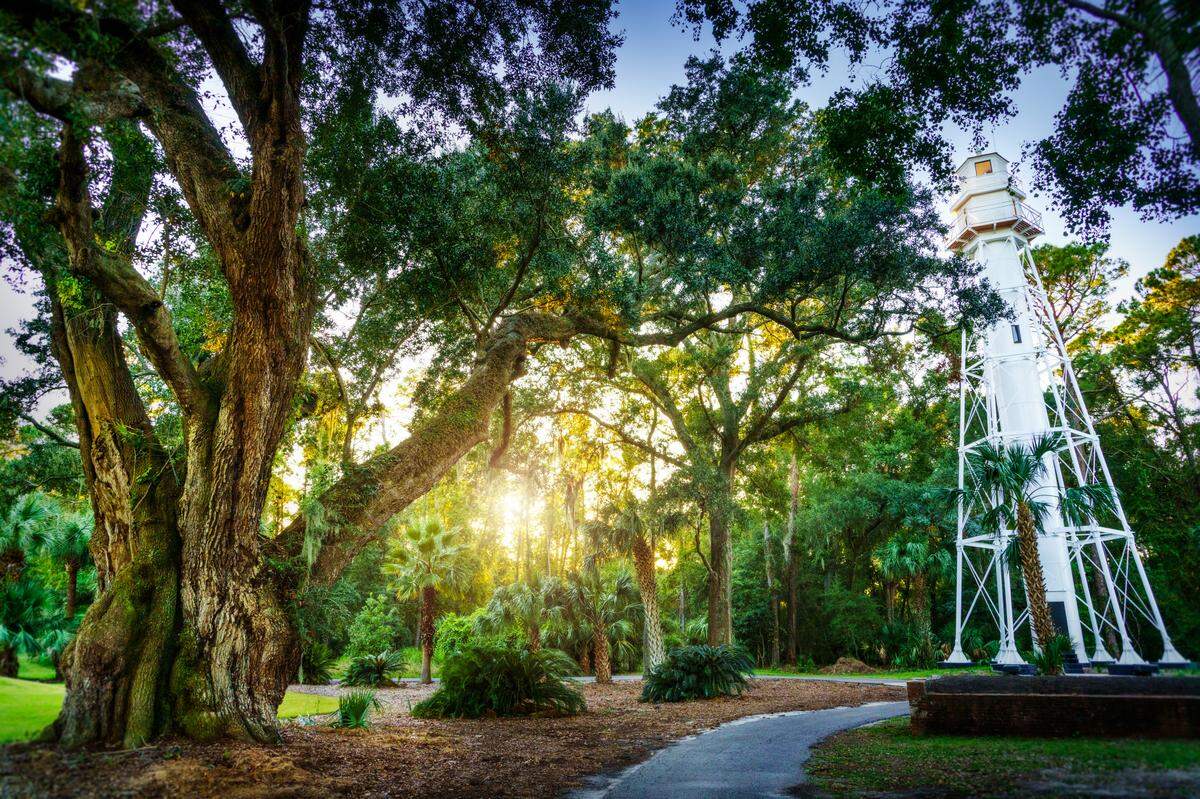
Near the newly refurbished lighthouse is the Leamington Lighthouse Live Oak — a 70-foot-tall tree with a canopy that spreads across 150 feet.
The tree is about nine feet wide, and calculations estimate its age at between 435 to 450 years old, making it one of Hilton Head’s oldest living trees, according to 2019 survey results.
Palmetto Dunes lighthouse history and ghost stories
The lighthouse was built between 1879 and 1880 as part of a larger system of navigation lights guiding ships into Port Royal Sound. Congress authorized $40,000 for the construction of the beacon.
Its first light shone out over the Atlantic Ocean on Aug. 1, 1881, and light from the structure was visible from 15 miles away. The lighthouse is now inactive.
The original lighthouse complex included a keeper’s house and another light that was mounted on a second keeper’s house near the beach.
Lighthouse keepers would climb 112 steps to reach the hexagonal watch room.
A number of ghost stories and legends surround the historic lighthouse.
In 1898, a major hurricane lashed the South Carolina coast. Determined to keep the light burning, lighthouse keeper Adam Fripp died of a heart attack during the storm.
At Fripp’s urging, his 21-year-old daughter, Caroline, kept the navigational light burning. But she passed away just three weeks later from exhaustion and the loss of her father.
Her death inspires haunted sightings of a female ghost in a long blue dress on dark, rainy nights.
The lighthouse, which originally included a wooden exterior, was deactivated in 1932.
During World War II, however, the structure served as a lookout tower to spot enemy ships and anchored Hilton Head Island’s Camp McDougal, a network of U.S. Marine temporary barracks and ammunition sheds.
Gun emplacements and searchlights were established on the nearby beach.
Marines were taught to use naval guns, among them one called “Big Betsy,” as well as .30 and .50 caliber machine guns, and practiced firing these weapons into the Atlantic.
How to visit the lighthouse
To visit the lighthouse, enter Palmetto Dunes and go to the resort’s south gate to request a guest pass.
Drive to the Leamington Gate and turn left onto Leamington Lane to the lighthouse. Park on the roadside.
The lighthouse is not open for visitors to view inside or to climb to the top.