Historic Bluffton secrets may have been unearthed at site of planned park along May River
While Bluffton is building Wright Family Park along the banks of the May River, local architects say they think they’ve found remnants of a once-sprawling waterfront mansion believed to be lost to history after the Civil War.
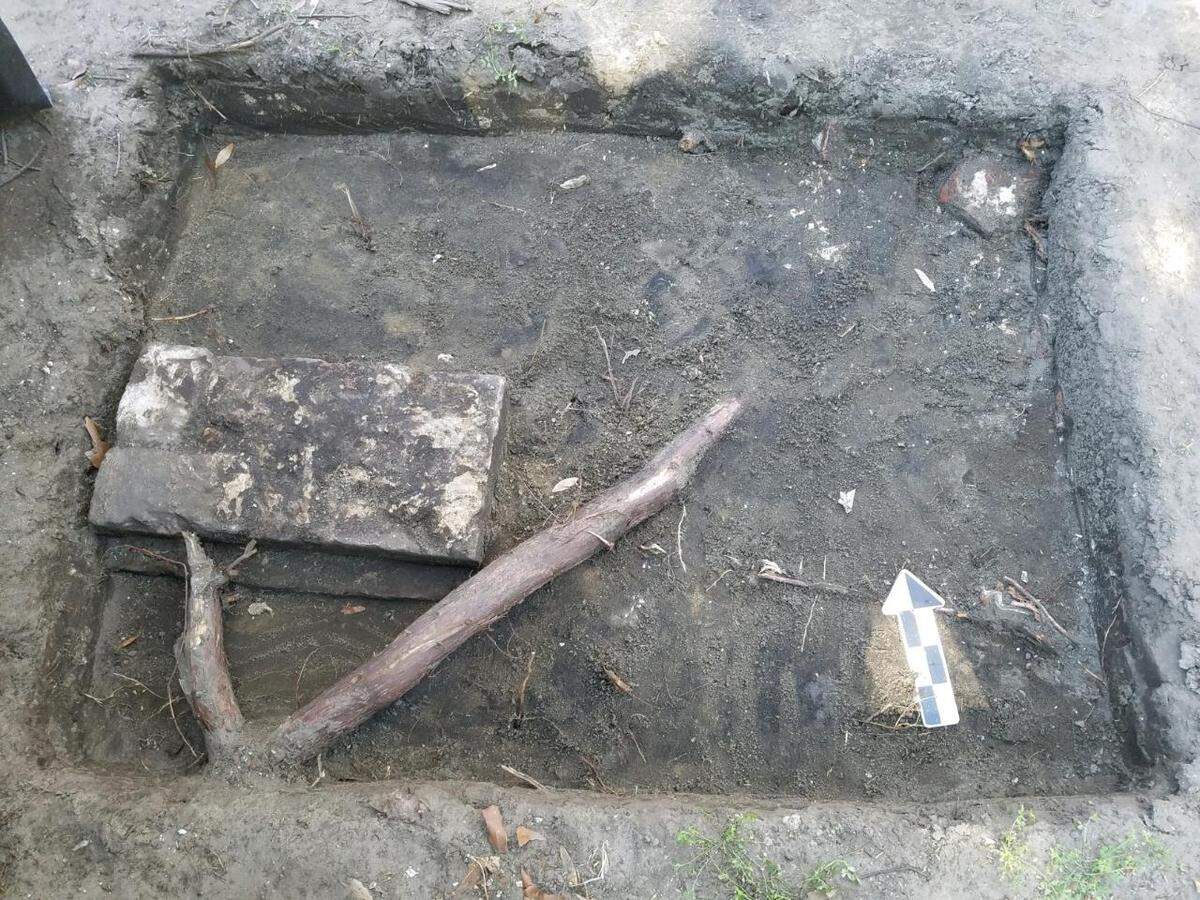
Brick structural columns and dozens of 19th Century artifacts were discovered where the home is believed to have stood.
The town hasn’t decided what to do with the historical items, but Bluffton spokesperson Debbie Szpanka said construction of the waterfront park will continue as planned, and the site of the excavated structures will likely be roped off while the land is sodded.
Katie Epps, director and curator of the Heyward House Historic Center, said architects plan another archaeological dig at the site this weekend.
For over 150 years, Blufftonians believed all traces of the Squire Pope House were destroyed during the 1863 burning of Bluffton or washed away by the May River.
This past winter, volunteers with the Bluffton Historical Preservation Society, using metal detectors on the lawn of the future park across from the Church of the Cross, discovered two rows of brick that appear to be structural columns buried beneath the soil, Epps said.
Patrick Rooney, manager of the town’s capital improvements program, said the uncovered structures will be preserved.
“Some of the piers, that are in the best shape, will remain excavated and exposed to create an on-site display area with interpretive signage to tell the story of the structure and the burning of Bluffton,” Rooney said in an email.
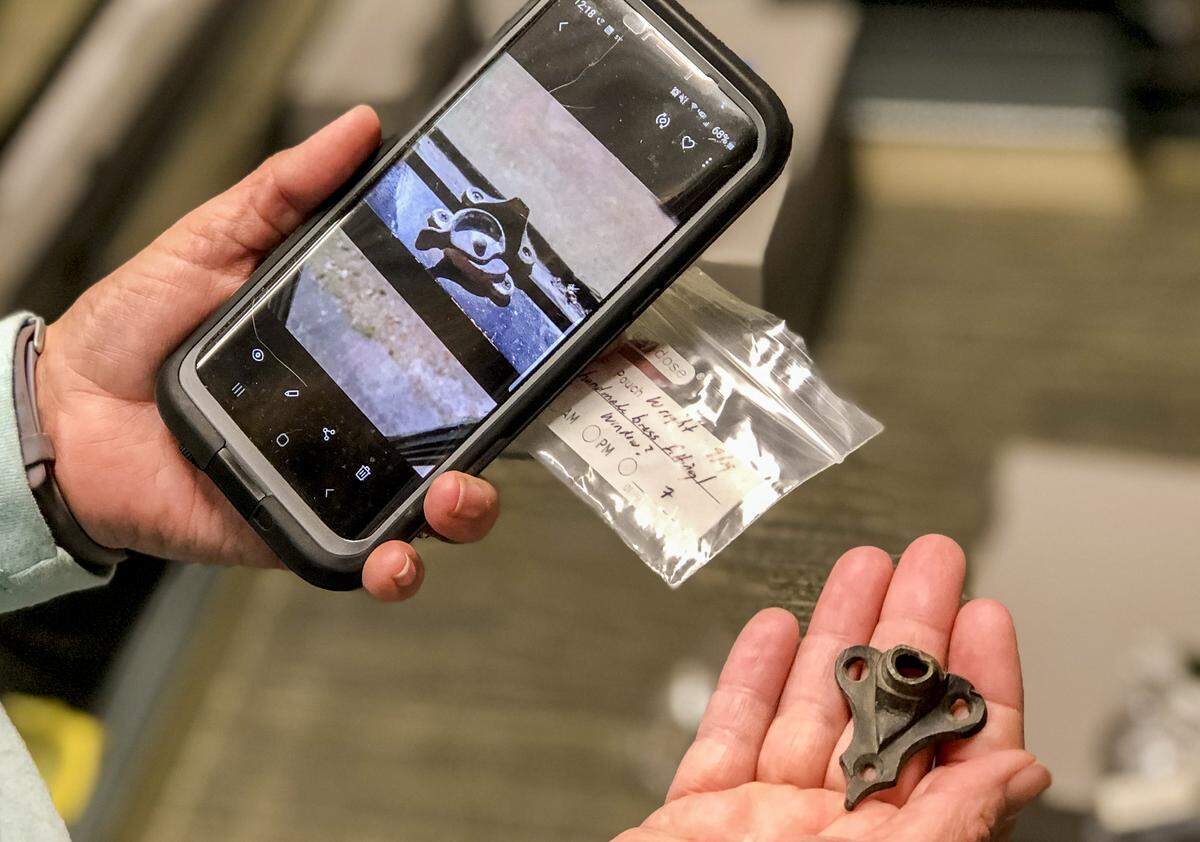
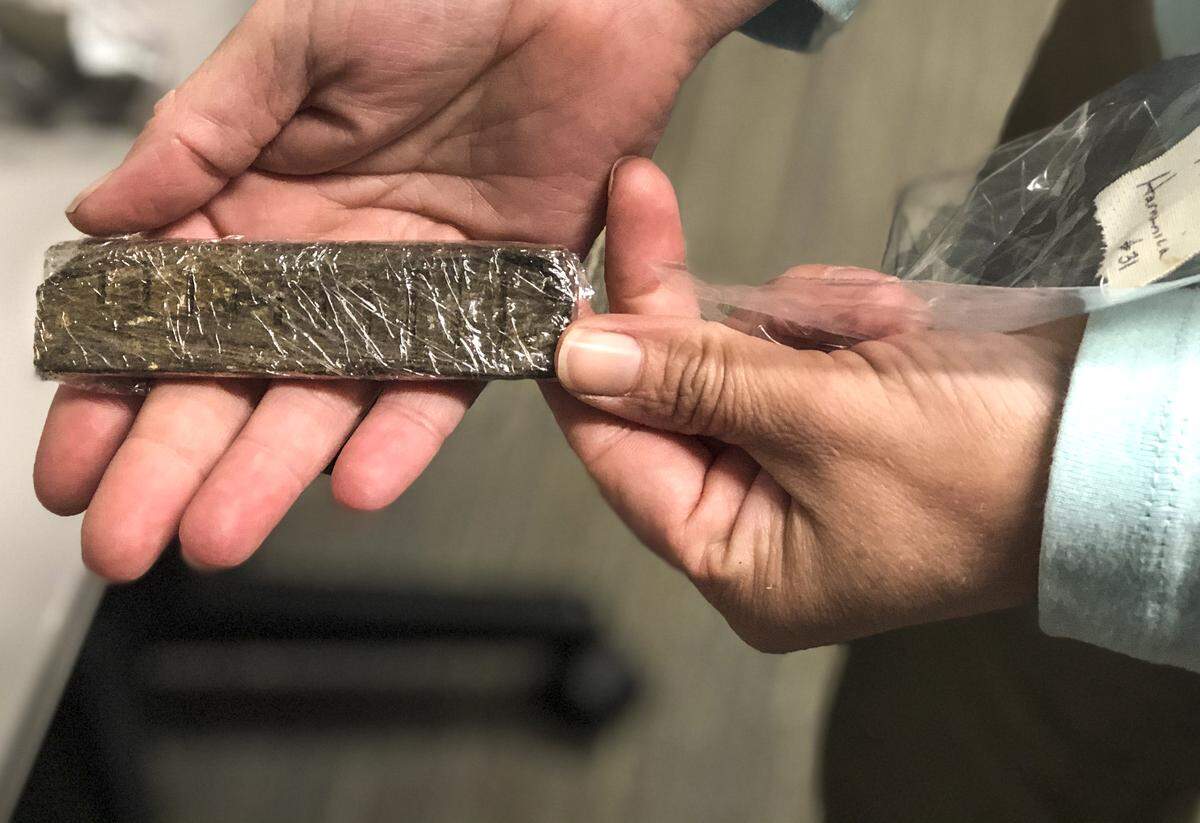
Along with the beams, architects also discovered dozens of century-old artifacts at the site, including a harmonica, an 1892 Barber dime, a doll arm and glass that appears to have experienced a “substantial fire,” said Kelly Graham, historical society executive director.
During the burning of Bluffton on June 4, 1863, “Union gunboats laid waste to a lot of the incredible riverfront homes. They absolutely leveled them,” Graham said.
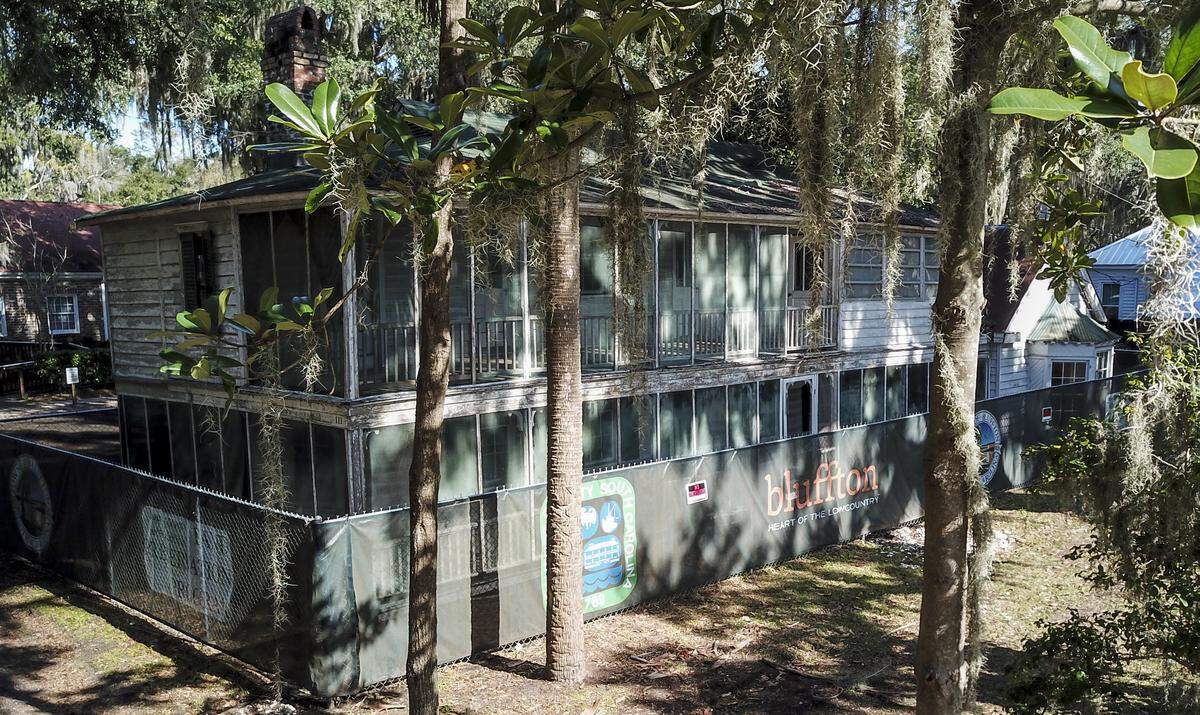
The Squire Pope Carriage House, the large white building next to where the bricks were discovered, is one of only 10 remaining antebellum buildings in Old Town Bluffton that survived the attack. Located on Calhoun Street across from the landmark Church of the Cross, the two-story building served as a separate outbuilding for the much larger main Squire Pope House.
The historical society is awaiting the results of a ground-penetrating radar study conducted by Brockington & Associates Inc., an environmental consultant company based in Mount Pleasant, to determine whether the structural columns are remnants of one large structure or two smaller buildings, Epps said.
Epps said the historical society made the discovery with the help of volunteers Missy Malool and Bunny Williams.
Squire Pope House
Epps and Graham both said the burnt glass discovered at the site, coupled with the age and location of the structures, leads them to believe that the columns discovered are the only known remnants of the Squire Pope House.
The discovery was first reported by Bluffton Today.
William E. Pope, known as Squire Pope or “the Squire,” was a wealthy Hilton Head Island landowner who served in the South Carolina Senate in the early 1800s and represented St. Luke’s Parish, which included Jasper County and parts of Beaufort County, in the S.C. House of Representatives.
Pope’s main house on Hilton Head was called Coggins Point Plantation, along the aptly named Squire Pope Road.
He built the Squire Pope House across from the Church of the Cross to serve as his summer home in 1850.
In 1861, when Union troops occupied Hilton Head Island, Pope fled to Georgia, where he died in 1862 — a year before his home was destroyed.
In 1996, the remaining carriage house was identified as a contributing structure to the Bluffton Historic District. The town of Bluffton and the Beaufort County Rural and Critical Lands Program purchased the property in 2017 for $1.5 million.
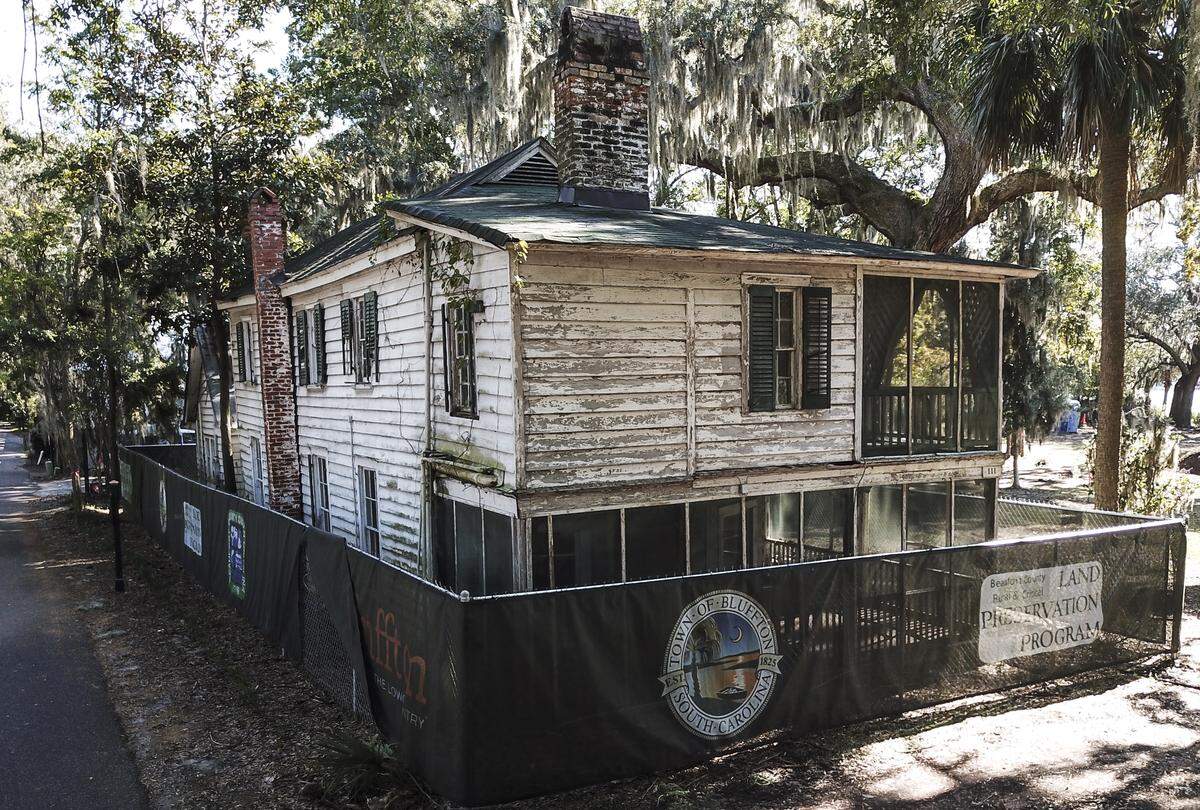
The property will soon be Wright Family Park, a town-operated park that will provide residents public access to the May River.
A ribbon cutting ceremony is tentatively planned for late May.
The burning of Bluffton
On June 4, 1863, about 1,000 Union soldiers left Fort Pulaski in Savannah to lay waste to Bluffton — where about 300 Confederate spies were said to have camped out, Epps said.
The goal was to destroy everything except for the Church of the Cross, and the fancier homes were targeted, she said. However, about 15 buildings survived the attack, and 10 of those still stand today in Old Town Bluffton:
- The Heyward House
- The John A. Seabrook House
- Squire Pope Carriage House
- Church of the Cross
- Huger-Gordon House
- Allen-Lockwood House
- Seven Oaks
- The Fripp House
- The Card House
- Historic Campbell AME Church
Graham said he plans a presentation about the Burning of Bluffton this year on June 4 — its 157th anniversary.