Bench on Hilton Head honors island’s history. Why the place was special to Toni Morrison
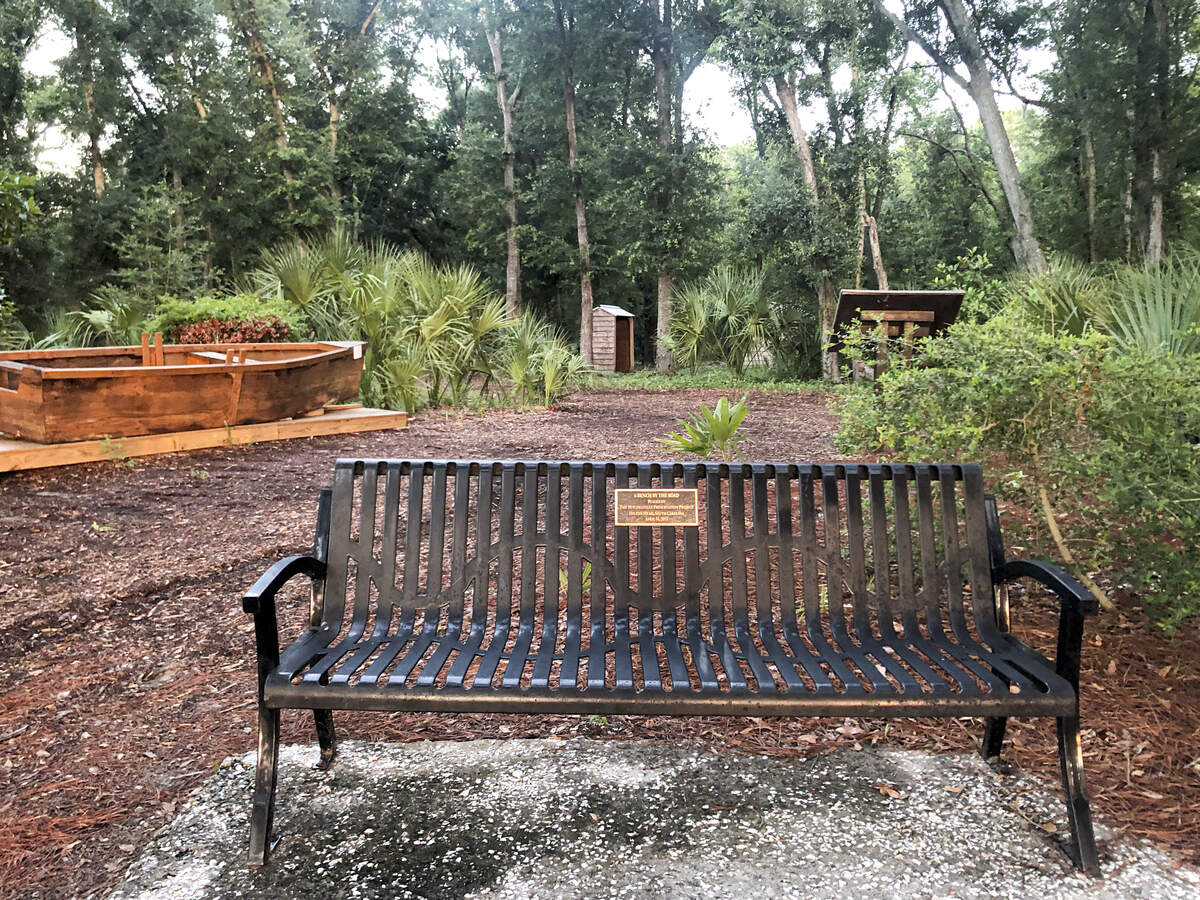
An iron bench sits at the edge of Historic Mitchelville Freedom Park on Hilton Head Island, overlooking the northeastern-facing marsh off Beach City Road. It catches the gleam of the sunrise each morning.
Toni Morrison put it there. It marks the first self-governing village established for freed slaves in 1861.
Morrison, a writer, editor, professor and the first African-American woman to win the Nobel Prize in literature, died in New York on Monday at the age of 88.
The Toni Morrison Society launched the “bench by the road” project in 2006 to commemorate her 75th birthday. The benches mark important sites in African-American history oft-overlooked by museums.
“There is no place you or I can go, to think about or not think about, to summon the presences of, or recollect the absences of slaves,” Morrison wrote in 1989. “There is no suitable memorial, or plaque, or wreath, or wall, or park, or skyscraper lobby. There’s no 300-foot tower, there’s no small bench by the road.”
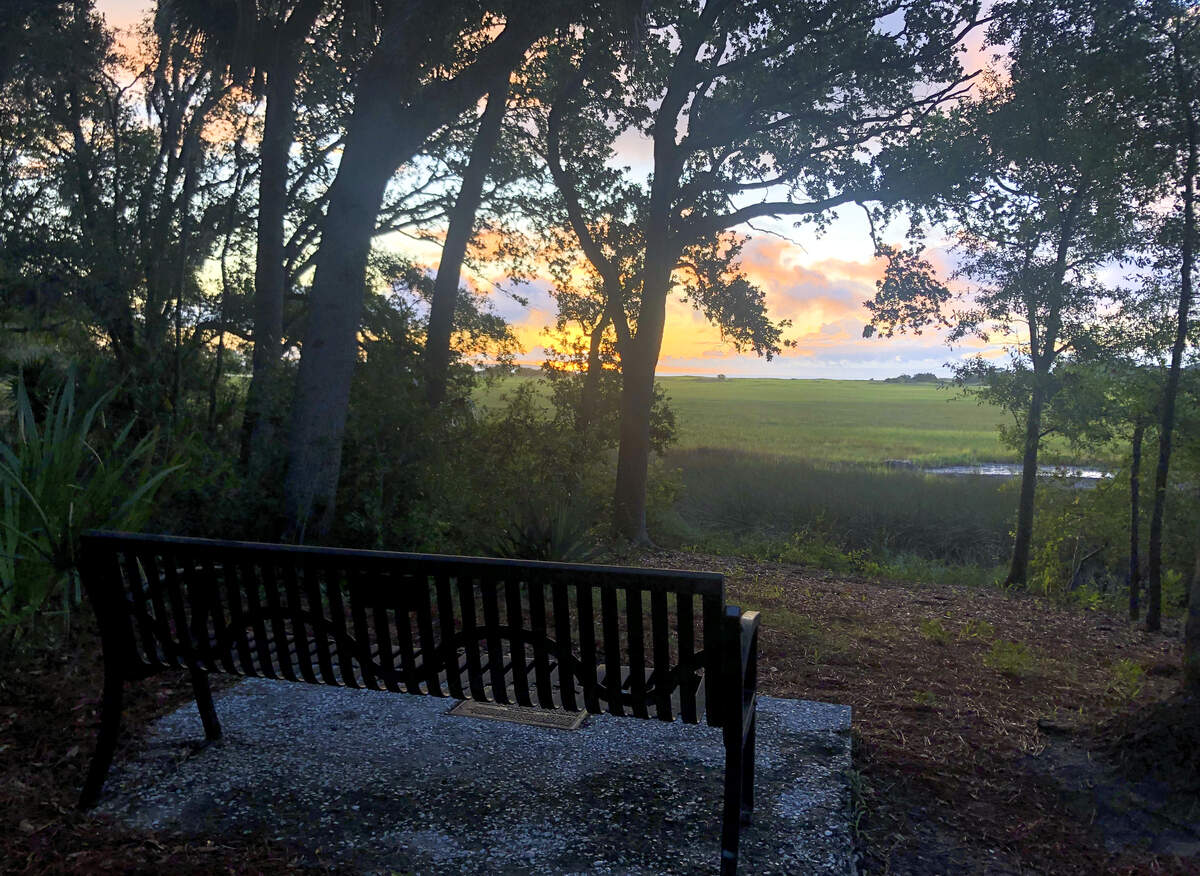
The bench is one of 20 across the world placed by the society, including benches at Sullivan’s Island, South Carolina; Walden Woods in Lincoln, Massachusetts; The 20th Arrondissement in Paris, France; Fort-de-France, Martinique; and, most recently, the Schomburg Center in Harlem, New York, according to the project website.
“While there have been several notable African American history and slavery museums built since 1989 ... the goal of the Bench by the Road Project is to address the lament that Toni Morrison expressed in her interview by placing Benches and plaques at sites commemorating significant moments, individuals, and locations within the history of the African Diaspora,” the site says.
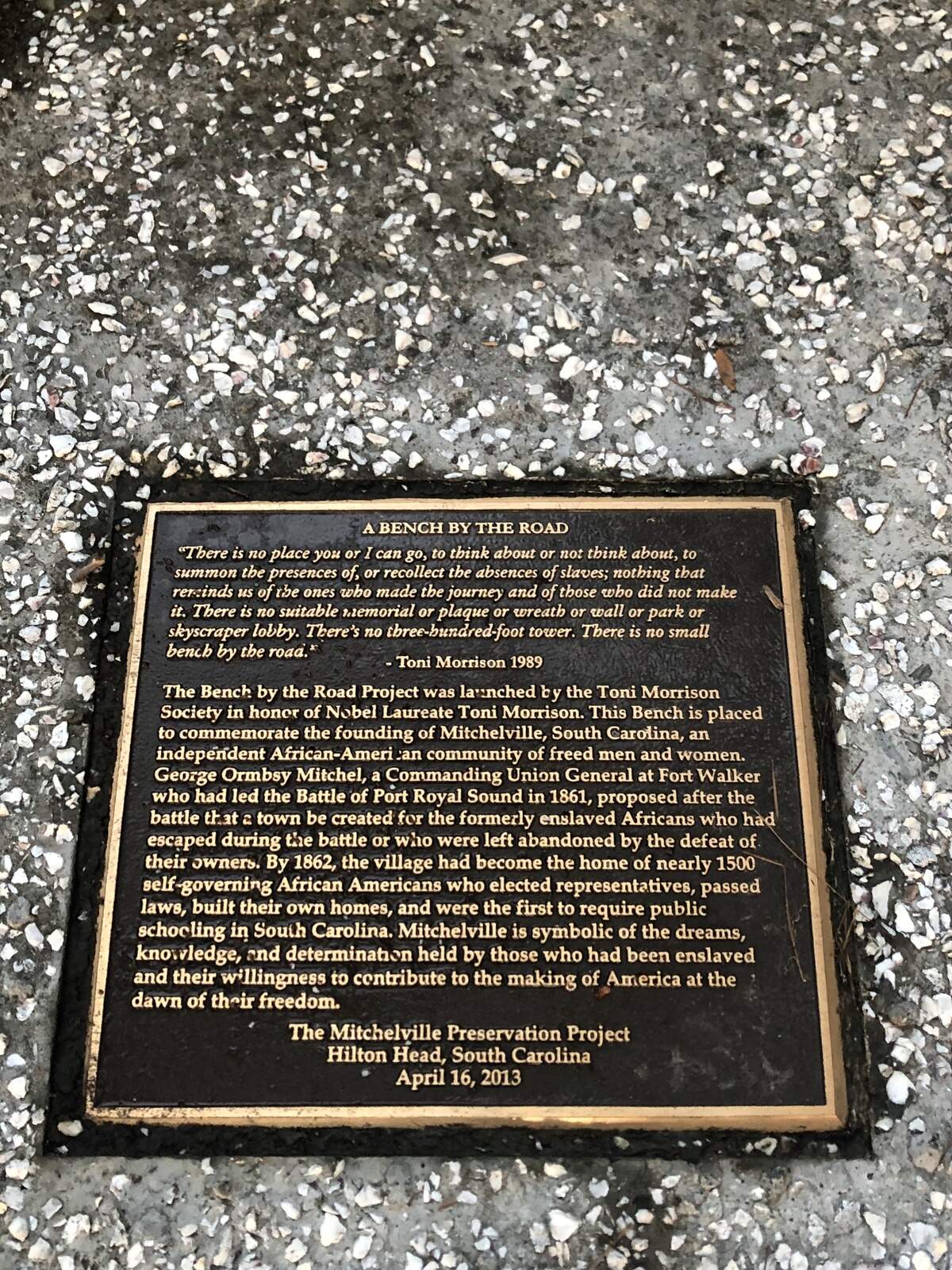
The bench on Hilton Head was sponsored by the Mitchelville Preservation Project in 2013 to honor the independent community of freed slaves that once stood there.
“Mitchelville is symbolic of the dreams, knowledge and determination held by those who had been enslaved and their willingness to contribute to the marking of American at the dawn of their freedom,” the plaque in front of the bench reads.